check

check

check

check

check

check
In industrial settings where flammable gases, vapors, or combustible dusts are present, safety is not just a priority—it is an absolute necessity. Equipment failure or a single spark in such environments can lead to catastrophic incidents, including fires and explosions. This is where the flameproof limit switch becomes an indispensable component. Designed to operate reliably under extreme conditions, these specialized switches provide critical control and monitoring functions while containing any potential ignition source within their robust enclosures.
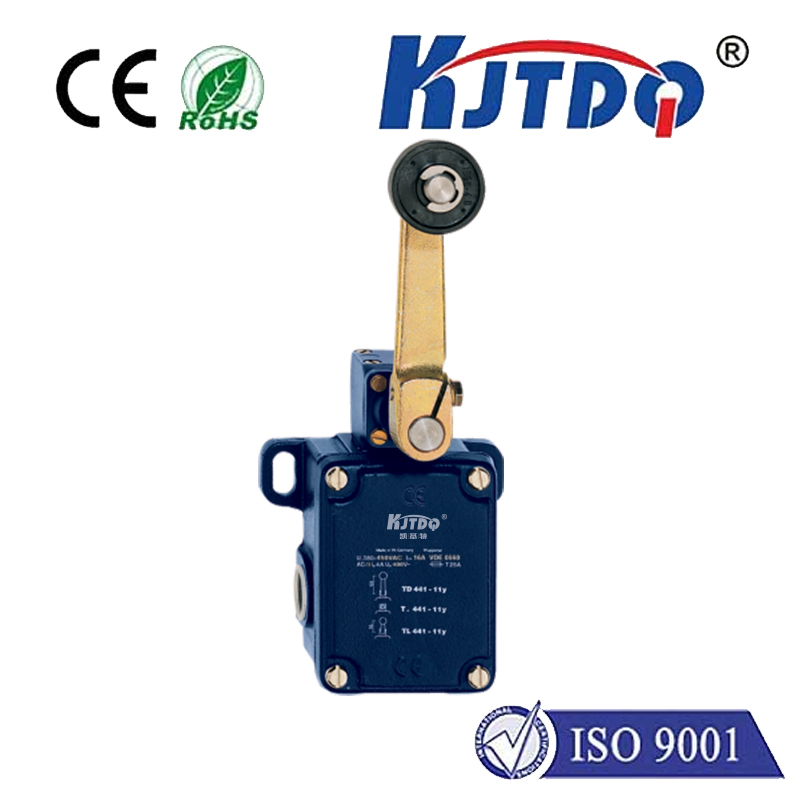
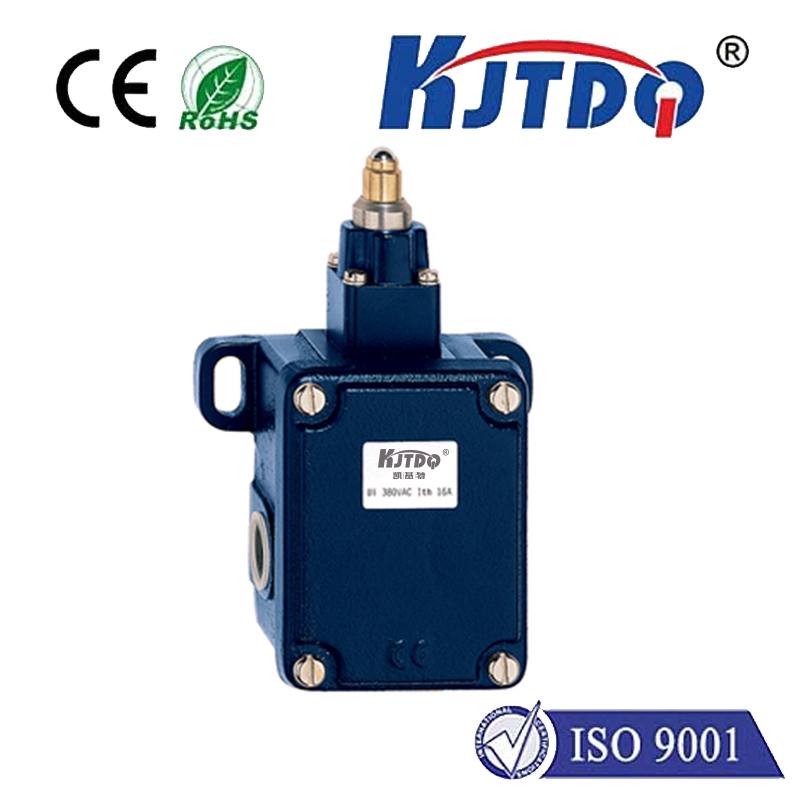
A flameproof limit switch, often referred to as an explosion-proof limit switch, is engineered to prevent the ignition of surrounding hazardous atmospheres. Its construction typically involves a sturdy, sealed housing that can withstand internal explosions without allowing flames or hot gases to escape. This containment is achieved through precisely machined flanges and gaps that cool any escaping gases below the ignition temperature of the external environment. The internal mechanism, which may include levers, rollers, or plungers, actuates electrical contacts to signal position limits—for instance, indicating whether a valve is fully open or closed, or if a conveyor has reached its endpoint.
The importance of these devices spans numerous industries. In oil and gas refineries, they monitor the position of pipeline valves and safety shut-off systems. Chemical processing plants utilize them on mixing tanks and reactor doors to ensure secure closure. Mining operations deploy flameproof limit switches on machinery operating in coal dust-laden air. Even grain silos and pharmaceutical facilities handling powdered materials rely on their protection. The common thread is the need for fail-safe operation where ordinary switches would pose an unacceptable risk.
Selecting the appropriate flameproof limit switch involves several key considerations. First, the classification of the hazardous area—defined by standards such as ATEX in Europe or NEC in North America—determines the required level of protection. Switches must be certified for specific zones (like Zone 1 for occasional gas presence or Zone 21 for combustible dust). Environmental factors also play a role: corrosion-resistant materials like stainless steel or brass may be needed for offshore platforms, while high-temperature ratings are essential for furnaces or boilers. Additionally, the mechanical configuration—whether side-mounted, top-mounted, or with a specific actuator style—must match the application’s physical constraints.
Installation and maintenance are critical to performance. Proper grounding, secure cable entries with certified glands, and regular inspections for damage or wear ensure long-term reliability. Technicians should be trained in handling explosion-proof equipment, as even minor modifications can compromise integrity. Modern advancements have introduced features like LED status indicators, solid-state outputs, and wireless connectivity, all within flameproof designs, enhancing usability without sacrificing safety.
Ultimately, the flameproof limit switch represents a synergy of mechanical engineering and safety science. It allows industries to automate processes and implement safety interlocks in environments where electricity and flammables coexist. By confining potential sparks, it acts as a silent guardian, enabling productivity without compromising on protection. As regulations tighten and technology evolves, these devices continue to adapt, offering smarter, more durable solutions for hazardous locations worldwide. Investing in certified, high-quality flameproof limit switches is not merely a compliance issue—it is a commitment to preserving assets, environments, and, most importantly, human lives.