check

check

check

check

check

check
In the realm of industrial automation, precision and reliability are paramount. Two critical components that ensure seamless operations are limit switches and proximity switches. These devices play distinct yet complementary roles in controlling machinery, enhancing safety, and optimizing efficiency. While often mentioned together, their functionalities and applications differ significantly, making it essential for engineers and technicians to grasp their unique characteristics.
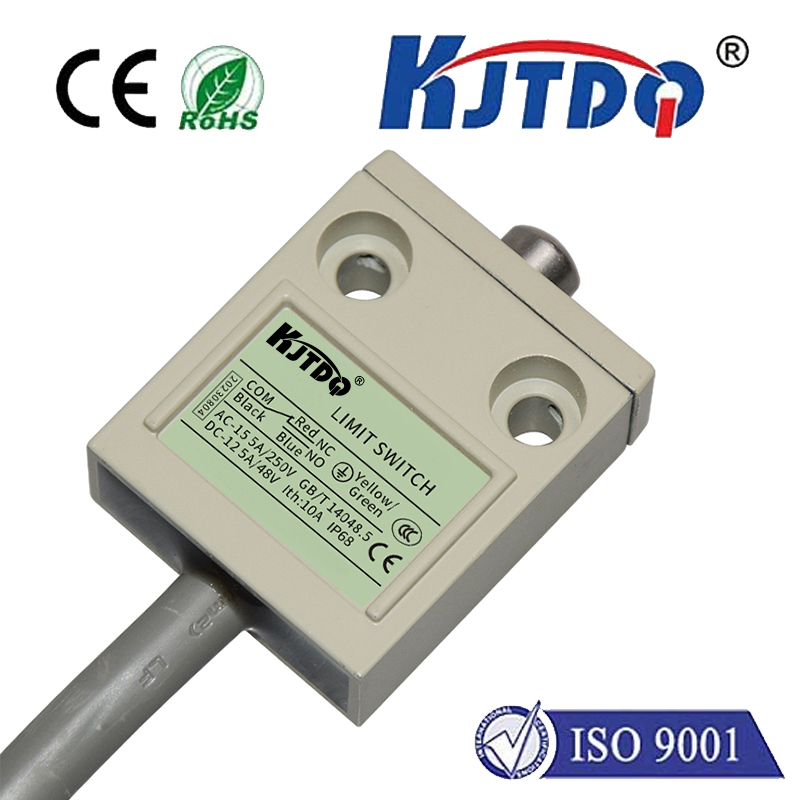
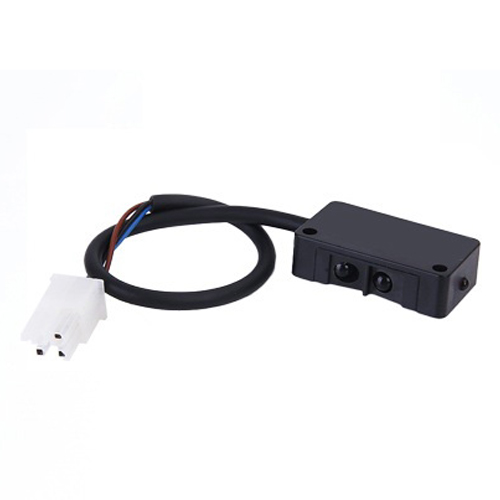
A limit switch is a mechanical device activated by physical contact with an object. It typically consists of an actuator linked to a set of contacts. When an object, such as a moving part on a conveyor belt, presses against the actuator, the contacts open or close to control an electrical circuit. This action can start, stop, or change the state of machinery. Limit switches are renowned for their simplicity and durability, making them ideal for harsh environments where robust performance is needed. Common applications include positioning control in manufacturing lines, safety interlocks on doors, and end-of-travel detection in elevators or cranes. Their tactile nature allows for precise mechanical feedback, but wear and tear over time can be a consideration.
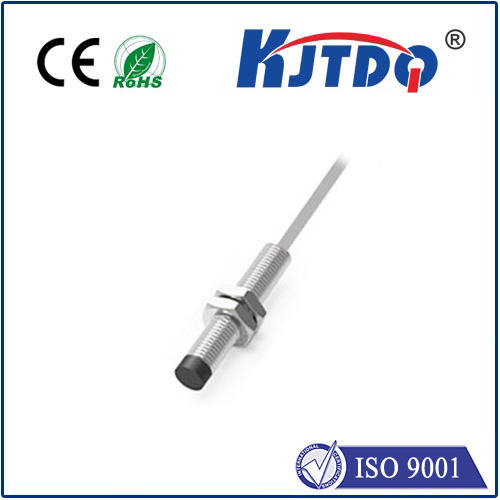
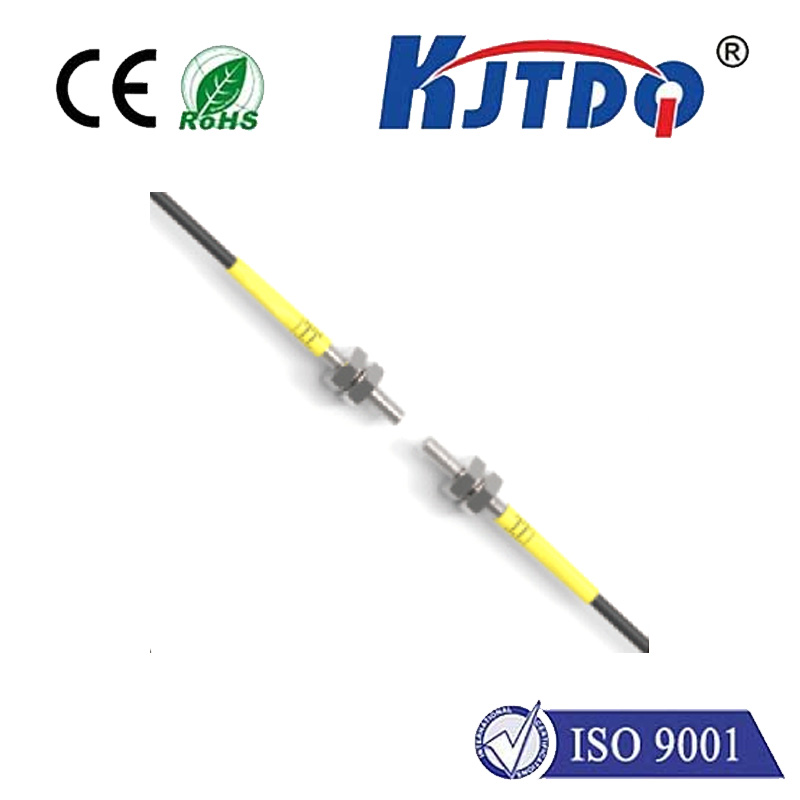
On the other hand, a proximity switch operates without physical contact. It uses electromagnetic fields, infrared light, or ultrasonic signals to detect the presence or absence of an object within a specified range. These switches are non-contact sensors, meaning they reduce mechanical wear and are suitable for high-speed operations. Inductive proximity switches, for instance, detect metallic objects, while capacitive versions can sense non-metallic materials like plastics or liquids. Proximity switches excel in applications requiring fast response times, such as counting items on a production line, monitoring fluid levels, or ensuring proper alignment in automated systems. Their ability to function in dirty or wet conditions without direct touch enhances longevity and reduces maintenance needs.
The choice between limit switches and proximity switches depends on various factors, including the operating environment, required accuracy, and cost considerations. Limit switches are often preferred for applications where physical contact is acceptable and cost-effectiveness is key. They provide a straightforward, reliable solution for position sensing. Conversely, proximity switches offer advantages in scenarios where contact could cause damage, contamination, or inefficiency. Their non-contact design minimizes downtime and supports continuous, high-speed processes.
In modern industrial setups, integrating both types can yield optimal results. For example, a packaging machine might use limit switches to define the start and end points of a movement, while proximity switches detect the presence of packages for precise handling. This synergy ensures robust control systems that adapt to diverse operational demands.
Maintenance practices also differ: limit switches may require periodic inspection for mechanical wear, whereas proximity switches need checks for sensor calibration and environmental interference. Understanding these nuances helps in planning effective upkeep schedules, preventing unexpected failures, and sustaining productivity.
As automation evolves, innovations in both technologies continue to emerge. Smart limit switches with integrated diagnostics and proximity switches with enhanced sensing capabilities are becoming more prevalent, driving efficiency in industries like automotive, food processing, and logistics. By leveraging the strengths of each, businesses can achieve higher safety standards, reduce operational costs, and improve overall system performance.
Ultimately, limit switches and proximity switches are foundational elements in automation, each serving specific purposes. Their selection and implementation should align with technical requirements and long-term goals, ensuring reliable and efficient industrial operations.