check

check

check

check

check

check
Commercial kitchens rely on the consistent, safe operation of their equipment. The Pitco fryer is a workhorse in many establishments, but like any complex appliance, it requires proper maintenance. A critical, yet often misunderstood, component is the high limit switch. This safety device is not a part of the normal cooking cycle; instead, it acts as a crucial failsafe to prevent dangerous overheating. When it malfunctions, it can cause unexpected shutdowns, disrupting service and causing confusion. Understanding its function, recognizing symptoms of failure, and knowing how to address issues are essential for any kitchen manager or technician.
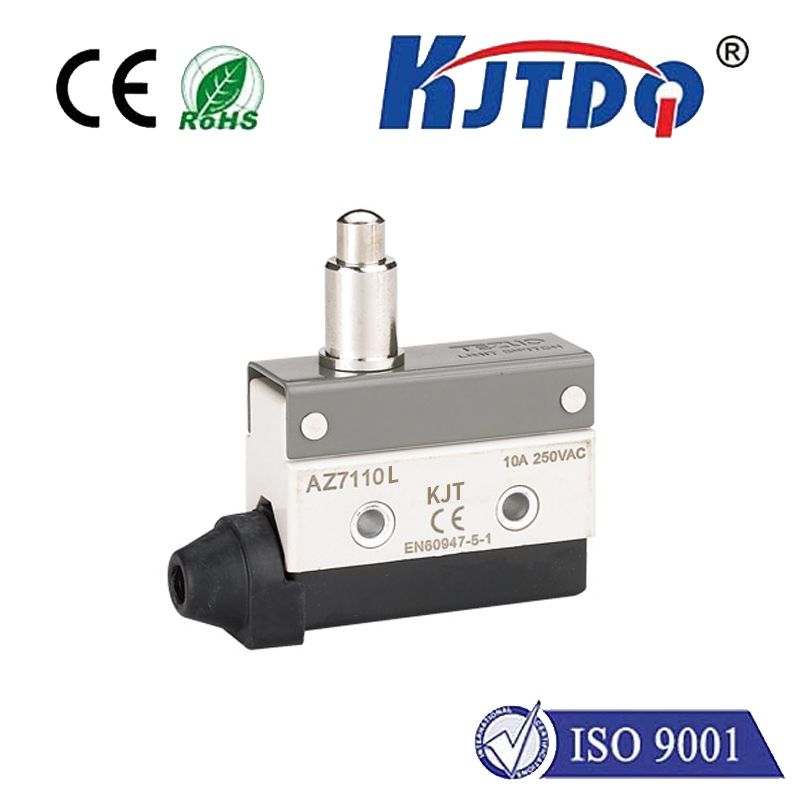
The primary role of the high limit switch is to monitor the temperature of the fryer's oil or the fryer's internal components. It is typically set to activate at a temperature significantly higher than the normal cooking thermostat's maximum setting. If the main thermostat fails in the "on" position or another fault causes temperatures to rise uncontrollably, the high limit switch will interrupt power to the heating elements. This action is designed to prevent a fire hazard, making it a non-negotiable safety feature. It is a normally closed switch that opens (cuts power) when its set temperature is exceeded. It will not automatically reset; it must be manually reset once the unit has cooled to a safe level, allowing for investigation of the root cause.
Several clear signs indicate a problem with the high limit switch. The most common symptom is the fryer failing to heat at all. If the fryer has power (the main power light is on) but the heating elements do not engage, a tripped or failed high limit is a prime suspect. Another sign is the ability to reset the switch and have the fryer work briefly, only for it to shut down again after a short period. This often points to an underlying issue causing overheating, such as a faulty main thermostat, a stuck contactor, or poor oil circulation due to clogged filters or element shrouds. The switch itself can also fail mechanically, becoming stuck in the open position even when cool.
Before concluding the switch is faulty, perform basic troubleshooting. First, ensure the fryer has completely cooled. Locate the high limit switch, which is usually found on the control panel or near the heating element junction box. It often has a prominent red reset button. Press this reset button firmly. If the fryer now operates normally, the switch did its job. You must then investigate *why* it tripped. Check the main thermostat calibration, ensure all heating elements are functioning correctly and are fully submerged, and verify that filters and ventilation paths are clean. If the fryer immediately trips again or the reset button does not engage, the switch may be defective. Use a multimeter to test for continuity across the switch terminals when the switch is cool. No continuity indicates a failed switch that needs replacement.
Replacing a Pitco fryer high limit switch is a straightforward task for a qualified technician. Always disconnect the fryer from all power sources—electrical and gas (if applicable)—before beginning any work. Document or photograph the wiring connections to the old switch before removing them. The new switch must be an exact replacement with the same temperature rating and electrical specifications. These ratings are printed on the switch body. Installing an incorrect switch can create a serious safety risk. After installing the new switch and reconnecting the wires, restore power and test the fryer's operation through a full heat cycle, monitoring for any unusual behavior. Do not bypass the high limit switch under any circumstances, as this removes a vital layer of fire protection.
Regular preventative maintenance is the best way to avoid high limit switch issues. Schedule routine cleaning of the fryer's interior, elements, and filtration system to ensure optimal heat transfer and oil flow. Periodically inspect and calibrate the main thermostat. Keeping the fryer in good working order reduces the strain on all its components, including its safety devices. When a high limit switch activates, view it not as an inconvenience, but as the system alerting you to a potential problem. Addressing the root cause promptly ensures the longevity of your equipment and, most importantly, the safety of your staff and premises. A properly functioning Pitco fryer, with all its safety systems intact, is the foundation of efficient and secure kitchen operations.