check

check

check

check

check

check
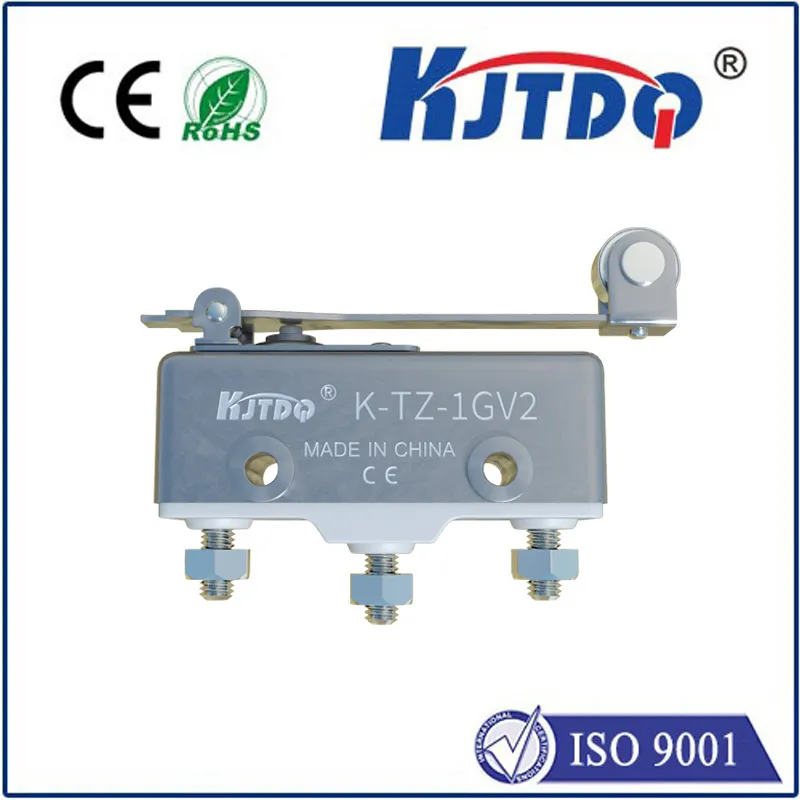
In the intricate world of electronic components and control systems, size and reliability are often at odds. Engineers and designers constantly seek solutions that deliver uncompromising performance within increasingly constrained spaces. This is where the micro switch mini emerges as a critical component, a testament to how miniaturization can enhance, rather than compromise, functionality. Unlike bulkier alternatives, these subminiature switches are engineered for precision, offering a reliable electrical response triggered by minimal physical force.
The defining characteristic of a micro switch mini is its snap-action mechanism. This internal design ensures a rapid and definitive make-or-break contact transition, regardless of the speed at which the actuator is pressed. This results in clean, bounce-free electrical signals, which are essential for accurate counting, positioning, and safety interlocking in applications. The physical footprint of these switches is remarkably small, often just a fraction of an inch, allowing them to be integrated into dense assemblies where every millimeter counts. Despite their diminutive size, they are built to withstand millions of operational cycles, thanks to robust internal springs and high-grade contact materials like silver or gold alloy.
The applications for micro switch mini are vast and varied, spanning across numerous industries. In the realm of consumer electronics, they are the silent heroes inside computer mice, gaming controllers, and portable devices, providing the tactile feedback users rely on. The automotive sector utilizes them in dashboard controls, seatbelt sensors, and door lock mechanisms, where consistent performance is non-negotiable for safety and convenience. Industrial automation heavily depends on these switches for limit sensing in machinery, ensuring robotic arms and conveyor systems operate within safe physical boundaries. Furthermore, they are indispensable in medical equipment, vending machines, and security systems, acting as reliable sentinels for detecting position, presence, or pressure.
Selecting the right micro switch mini requires careful consideration of several technical parameters. The operating force, typically measured in grams, determines how much pressure is needed to actuate the switch. The electrical rating, including voltage and current capacity (AC or DC), must match the circuit requirements to prevent failure. Actuator type is another crucial choice—options include lever, roller lever, pin plunger, or simulated roller plunger, each designed for specific interaction modes. Environmental factors like ingress protection (IP) ratings for dust and moisture resistance are vital for switches used in harsh conditions. Finally, terminal types, such as solder lugs, quick-connect, or PCB pins, dictate the installation method.
The advantages of incorporating micro switch mini into a design are compelling. Their high precision and repeatability ensure consistent system performance. The long mechanical life reduces maintenance needs and total cost of ownership. Their small size enables innovative and compact product designs that would otherwise be impossible. Moreover, their simple, time-tested mechanism offers a level of reliability that is hard to match with more complex solid-state sensors in certain applications. For designers, this translates to greater flexibility and confidence in creating responsive and durable products.
As technology trends push for smarter, smaller, and more interconnected devices, the role of the micro switch mini is set to evolve rather than diminish. While solid-state alternatives exist, the physical, tactile assurance and cost-effectiveness of a mechanical micro switch remain irreplaceable for countless applications. Future iterations may see further integration with smart sensing capabilities or even more ruggedized designs for extreme environments. For now, this compact powerhouse continues to be a fundamental building block in electromechanical design, proving that immense control can indeed come in the smallest of packages. Its enduring presence in blueprints and bill of materials is a silent nod to its indispensable role in bridging the physical and digital worlds with unwavering accuracy.