check

check

check

check

check

check
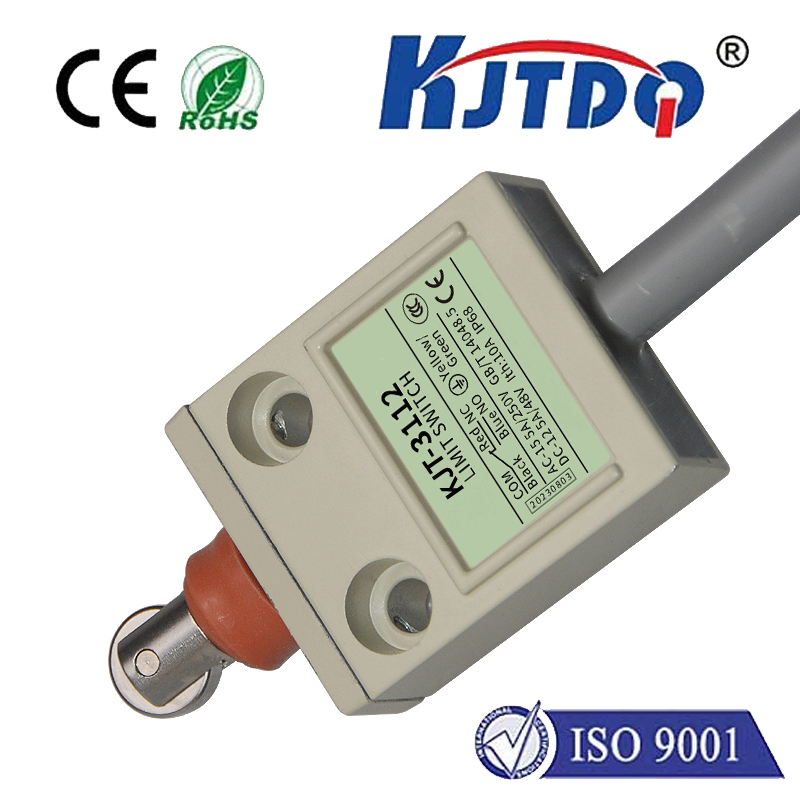
In the world of industrial automation, where precision and reliability are non-negotiable, the geared limit switch stands as a cornerstone component. Far from being a simple on/off device, it represents a sophisticated solution for controlling the movement and position of machinery with remarkable accuracy. This guide delves into the mechanics, applications, and critical advantages of geared limit switches, explaining why they remain indispensable in modern manufacturing, material handling, and process control systems.
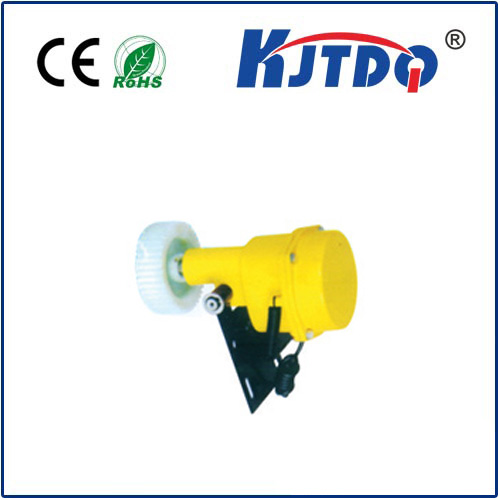
At its core, a geared limit switch is an electromechanical device designed to convert rotary motion into a precise electrical control signal. Unlike basic limit switches that are actuated by a simple lever or plunger, a geared switch incorporates a gear train mechanism. This gearing is typically connected to the moving part of a machine—such as a crane trolley, a conveyor system, or a valve actuator. As the machine component moves, it rotates the gears inside the switch. This rotation is then translated, through a series of internal cams and actuators, to open or close electrical contacts at predetermined, exact positions. The "geared" aspect is crucial; it allows for the multiplication or reduction of motion, enabling the switch to be set for very specific travel limits, often over long distances or complex motion paths.
The primary function of a geared limit switch is to establish and enforce safe operational boundaries. It acts as a sentinel, ensuring that a machine or its components do not travel beyond their intended physical limits, thereby preventing collisions, over-travel damage, and potential safety hazards. For instance, on a large overhead crane, geared limit switches are programmed to stop the bridge and hoist at the exact endpoints of the runway, protecting both the equipment and the structure of the building. Beyond simple endpoint control, these switches are also used for sequential control—initiating the next stage in an automated process once a certain position is reached, such as stopping a filling station and starting a capping machine on a production line.
The advantages of utilizing a geared limit switch are numerous and significant. First and foremost is precision. The gear mechanism allows for incredibly accurate setting of activation points, which is vital for processes requiring repeatable positioning. Durability is another key benefit. Constructed from robust materials like hardened steel gears and high-impact housings, they are built to withstand harsh industrial environments, including exposure to dust, moisture, vibration, and extreme temperatures. Versatility is also a hallmark. They can be configured with multiple cam stacks to control several circuits simultaneously from a single drive input, offering complex control logic from a single, compact unit. Furthermore, their reliability is proven. As an electromechanical solution, they provide a direct, physical feedback mechanism that is often preferred over purely electronic sensors in critical safety applications, as it is less susceptible to electromagnetic interference.
Typical applications span a wide range of industries. In material handling, they control the travel of stacker cranes in automated storage and retrieval systems (AS/RS) and limit the movement of conveyor belts. The packaging industry relies on them for precise positioning of products during filling, labeling, and boxing operations. In heavy machinery, such as mining equipment or shipyard cranes, they ensure safe operational ranges. Water and wastewater treatment plants use them to monitor and control the position of sluice gates and valve actuators. Essentially, anywhere there is linear or rotary motion that requires defined start, stop, or sequence points, a geared limit switch is likely playing a vital role.
Selecting the right geared limit switch involves careful consideration of several factors. The type of motion (rotary or linear) and the required travel distance will determine the gearing ratio and drive type (e.g., lever, cam, or direct shaft coupling). The electrical load of the connected circuit dictates the contact rating (current and voltage) needed. Environmental conditions require choosing an appropriate enclosure rating, such as NEMA 4X for washdown or corrosive areas. Finally, the number of control sequences needed will influence whether a single-cam or multi-cam configuration is necessary.
In conclusion, the geared limit switch is a testament to elegant, reliable engineering in an increasingly digital age. It provides a tangible, mechanical assurance of positional control that forms the backbone of safe and efficient automated systems. For engineers and maintenance professionals, understanding its operation and benefits is key to designing and maintaining robust industrial automation solutions. By offering unmatched precision, durability, and versatility, the geared limit switch continues to be a critical component in achieving operational excellence and safety across countless industries worldwide.