check

check

check

check

check

check
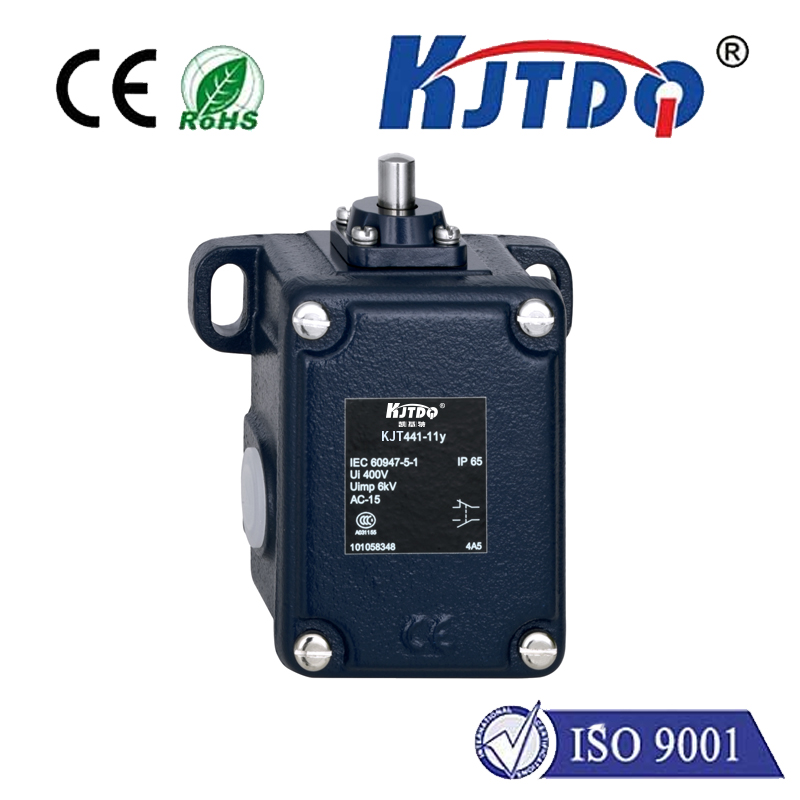
In the dynamic landscape of industrial automation, where precision and reliability are non-negotiable, the ball limit switch stands as a fundamental yet critical component. Often operating behind the scenes, this electromechanical device plays a pivotal role in controlling machinery, ensuring operational safety, and preventing costly equipment damage. Its design, centered around a simple rolling ball mechanism, belies its sophisticated functionality in diverse and demanding environments.
The core principle of a ball limit switch is elegantly straightforward. The housing contains a conductive metal ball that moves freely. When the switch body is tilted or subjected to vibration or shock beyond a predetermined angle, the ball rolls away from its resting position, breaking or making an electrical contact. This change in the circuit state sends an immediate signal to the control system, triggering a predefined action such as stopping a motor, activating an alarm, or changing the operational mode. This makes it an ideal solution for tilt detection, vibration monitoring, and position limiting.
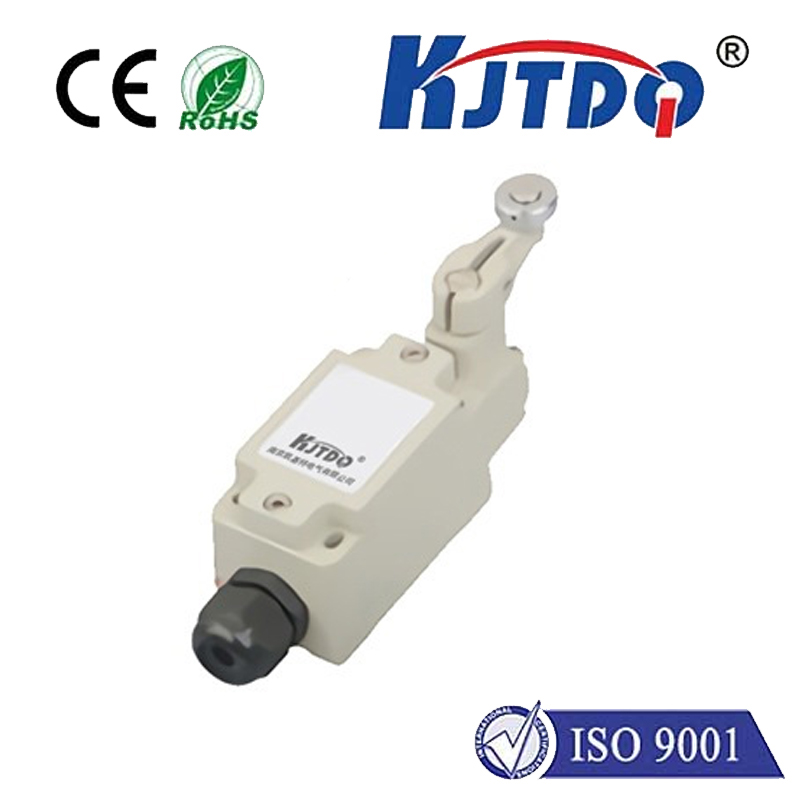
The applications for ball limit switches are vast and varied across industries. In material handling, they are indispensable on conveyor systems. Mounted on the frames of conveyors, they detect belt misalignment or slippage. When the belt drifts off course, it contacts the switch's actuator arm, causing the ball inside to tilt and trip the switch, thereby halting the conveyor to prevent material spillage and potential damage. Similarly, in heavy machinery like cranes and hoists, these switches serve as vital limit sensors. They are positioned to detect when a hook or lifting mechanism reaches its upper or lower travel limit, automatically cutting power to prevent overtravel and dangerous collisions.
Beyond manufacturing, ball limit switches contribute significantly to safety systems. They are integrated into platforms and lifts to ensure they are level before operation commences. In the transportation sector, they can be found in vehicle alarm systems to detect unauthorized movement or tilting, such as in trailers or specialized cargo containers. Their robustness and lack of complex electronics make them exceptionally reliable in harsh conditions where dust, moisture, or temperature extremes might compromise other sensor types.
Selecting the right ball limit switch requires careful consideration of several operational parameters. The sensitivity, defined by the tilt angle required to activate the switch, must match the application's needs. Environmental protection, denoted by IP (Ingress Protection) ratings, is crucial for durability; a high IP rating ensures resistance to dust and water ingress. The electrical specifications, including voltage, current rating, and contact configuration (normally open or normally closed), must be compatible with the control circuit. Furthermore, the mechanical construction—whether it features a rugged metal housing or a polymer body—depends on the physical demands of the installation site.
The enduring relevance of the ball limit switch in an era of advanced proximity sensors and IoT-enabled devices is a testament to its inherent advantages. Its simplicity translates to high reliability, ease of installation, and minimal maintenance. It provides a direct, fail-safe mechanical response without the need for external power for basic operation or complex programming. For many critical safety and control functions, this straightforward, physical actuation remains the most trusted method.
In conclusion, the ball limit switch is a cornerstone of industrial control and safety. From safeguarding massive conveyor belts to ensuring the precise positioning of automated equipment, its role is indispensable. As industries continue to prioritize efficiency and worker safety, understanding and correctly implementing these versatile switches remains a key aspect of robust system design. Their proven track record of providing a simple, effective solution for motion detection and positional limits secures their place on the factory floor for years to come.