check

check

check

check

check

check
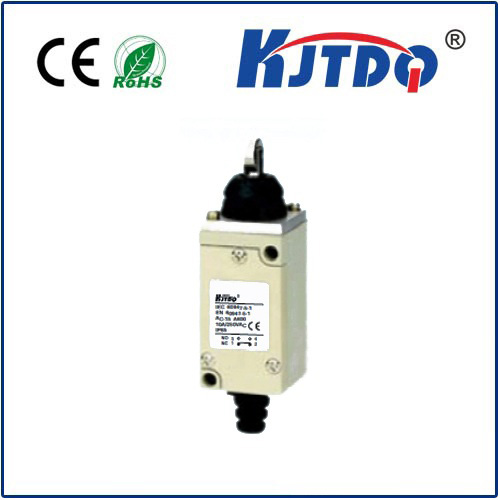
In the world of electrical components, the micro switch normally closed stands as a fundamental yet critical device, widely utilized across various industries for its reliability and precise operation. This type of switch, often referred to as a "normally closed" (NC) micro switch, is designed to complete an electrical circuit in its default state, interrupting the flow only when actuated. Its compact size and durable construction make it an ideal choice for applications where space is limited and consistent performance is essential.
The working principle of a micro switch normally closed is straightforward. In its resting position, the internal contacts remain closed, allowing current to pass through. When an external force, such as a button press or mechanical movement, is applied to the actuator, the contacts open, breaking the circuit. This simple mechanism ensures quick response times and high accuracy, which are crucial in safety systems, automation controls, and household appliances. For instance, in elevator doors or industrial machinery, these switches serve as safety interlocks, preventing operation when doors are open or guards are removed, thereby reducing the risk of accidents.
One of the key advantages of the micro switch normally closed is its versatility. It can be integrated into diverse environments, from automotive systems to medical equipment, due to its ability to handle low to moderate electrical loads. The switch's design often includes features like overtravel protection and long mechanical life, which enhance durability and reduce maintenance needs. Manufacturers typically produce these switches with materials that resist corrosion and wear, ensuring reliable operation even in harsh conditions. This makes them a cost-effective solution for long-term use, as they minimize downtime and replacement costs.
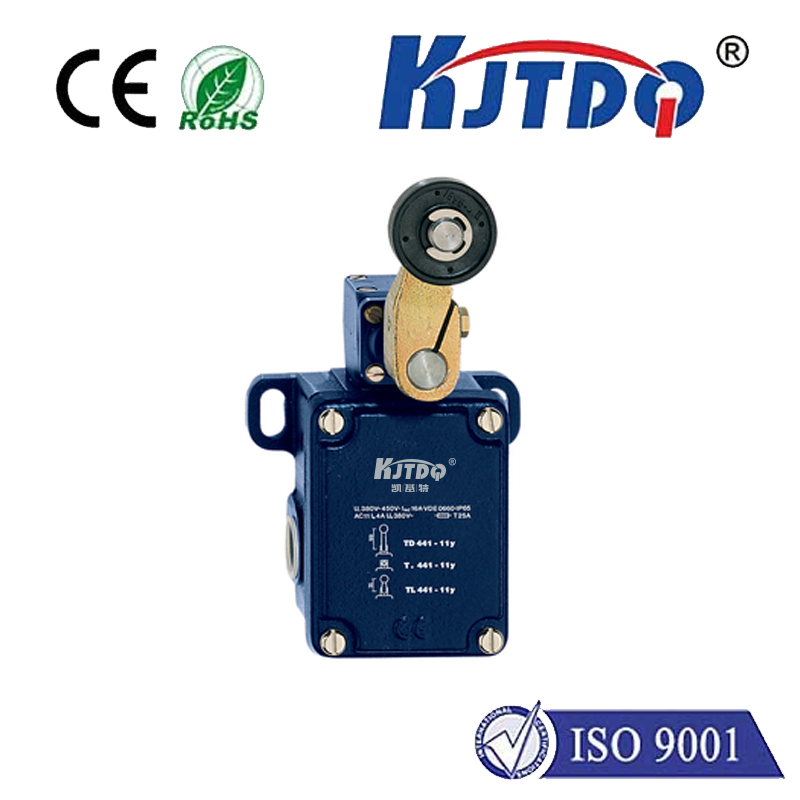
When selecting a micro switch normally closed, several factors should be considered to ensure optimal performance. The electrical rating, including voltage and current capacity, must match the application's requirements to avoid overheating or failure. Actuator type, such as lever, roller, or plunger, should be chosen based on the mechanical interface and actuation force needed. Environmental factors like temperature, humidity, and exposure to dust or chemicals also play a role in determining the appropriate switch model. Consulting with suppliers or engineers can help in making an informed decision, as they can provide guidance on certifications and standards compliance, such as IP ratings for ingress protection.
In modern technology, the micro switch normally closed continues to evolve, with advancements in miniaturization and smart integration. Innovations like sealed versions for waterproof applications and low-energy designs for battery-operated devices are expanding its use cases. For example, in smart home systems, these switches are employed in sensors and controllers to enhance automation and energy efficiency. As industries move towards more interconnected and automated solutions, the demand for reliable micro switches is expected to grow, driving further research and development in this field.
Overall, the micro switch normally closed is an indispensable component in electrical engineering, offering safety, precision, and durability. Its widespread adoption across sectors highlights its importance in ensuring smooth and secure operations. By understanding its functions and applications, users can leverage this switch to improve system performance and reliability. Whether for industrial machinery, consumer electronics, or specialized equipment, this device remains a trusted choice for engineers and technicians worldwide.