check

check

check

check

check

check
In the intricate world of electronic components and precision control, the 3Z-3 micro switch stands out as a fundamental yet highly reliable actuator. This specific model, often categorized under the broad umbrella of KW4 series switches, is engineered for scenarios demanding consistent performance, durability, and exacting actuation points. Unlike generic switches, the 3Z-3 designation typically refers to a configuration involving specific terminal types, contact arrangements, or actuator styles, making it a preferred choice for engineers and product designers.
The primary function of a 3Z-3 micro switch is to detect presence, position, or movement, converting a mechanical action into an electrical signal. Its construction is deceptively simple: a spring-loaded lever or plunger actuator, a set of internal contacts (often Single Pole Double Throw - SPDT), and a robust housing. The "snap-action" mechanism is its core feature. This means the contacts change state rapidly at a specific point of actuator travel, regardless of the speed of operation. This design eliminates arcing, ensures clean signal transmission, and significantly extends the switch's operational life, often rated for millions of cycles.
Where does the 3Z-3 micro switch excel? Its applications are vast and critical. A common use is in safety and interlock systems. For instance, in industrial machinery, these switches are deployed as door or guard interlocks. If a protective panel is opened, the actuator of the 3Z-3 switch is released, instantly cutting power to dangerous moving parts, thereby protecting personnel. Similarly, in household appliances like microwave ovens, a 3Z-3 switch ensures the device only operates when the door is securely closed, preventing radiation leakage.
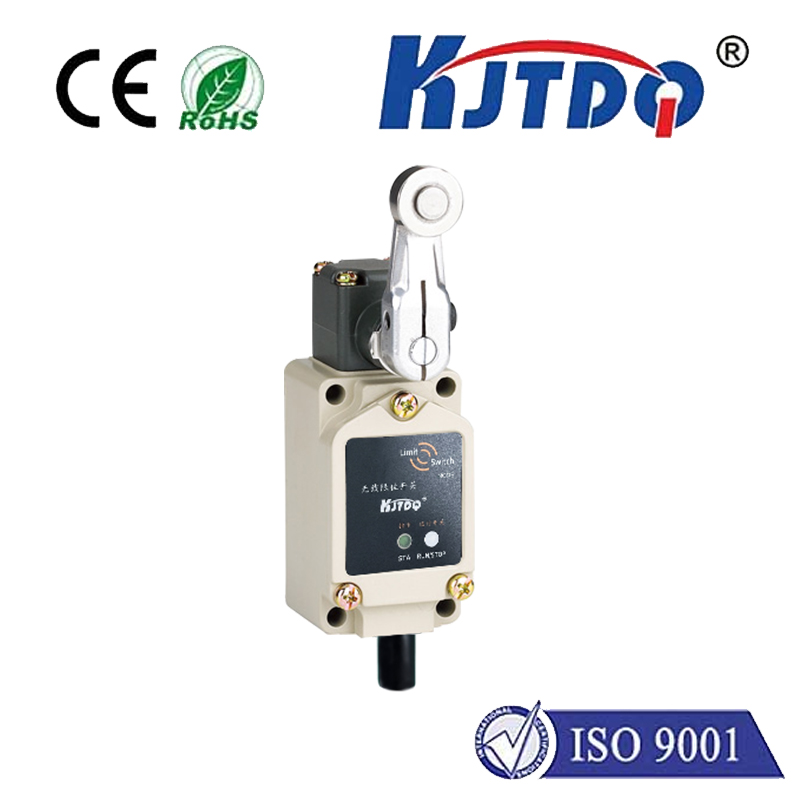
Another significant application is in precision control and limit sensing. In automated production lines, 3Z-3 switches are used as limit switches to define the endpoints of a robotic arm's travel or the position of a conveyor belt carriage. Their repeatability and accuracy prevent over-travel and potential damage to expensive equipment. The automotive industry relies heavily on them for functions such as brake pedal position sensing, glove box light activation, or seatbelt status indicators. The switch's ability to perform reliably in varying temperatures and under vibration makes it indispensable here.
The benefits of choosing a 3Z-3 micro switch are clear. First is reliability. The snap-action design provides consistent performance over time. Second is versatility. With various actuator types (roller lever, simulated roller lever, straight lever, pin plunger) available within the 3Z-3 specification, it can be adapted to countless mechanical motions. Third is its compact size, allowing integration into space-constrained designs without sacrificing functionality. Finally, it offers cost-effectiveness. Its long lifespan and low failure rate reduce maintenance costs and downtime, providing excellent value over the product lifecycle.
When integrating a 3Z-3 micro switch, several factors require consideration. The electrical rating (voltage and current for the load) must match the application to prevent contact welding or premature failure. The mechanical aspects—actuator type, operating force, and pretravel—must align with the physical motion it needs to sense. Environmental conditions are also crucial; many 3Z-3 switches come sealed to resist dust, moisture, and contaminants, which is vital for outdoor or harsh industrial environments.
In conclusion, the 3Z-3 micro switch is more than just a simple component; it is a precision-engineered solution for control and safety. Its role within the broader KW4 family highlights a commitment to specific, high-performance standards. For designers and maintenance professionals, understanding its capabilities and proper application is key to building safer, more reliable, and more efficient electronic and mechanical systems. Its unassuming presence belies its critical importance in the seamless operation of technology we depend on daily.