check

check

check

check

check

check
In the world of automation and motion control, achieving precise and reliable movement is paramount. Whether you're designing an ergonomic standing desk, an automated window treatment system, or complex industrial machinery, the ability to control the exact start and stop points of a linear actuator is critical. This is where the integration of adjustable limit switches transforms a standard linear actuator into a highly versatile and intelligent component. A linear actuator with adjustable limit switches offers unparalleled control, safety, and customization, making it an indispensable solution for engineers, hobbyists, and product developers alike.
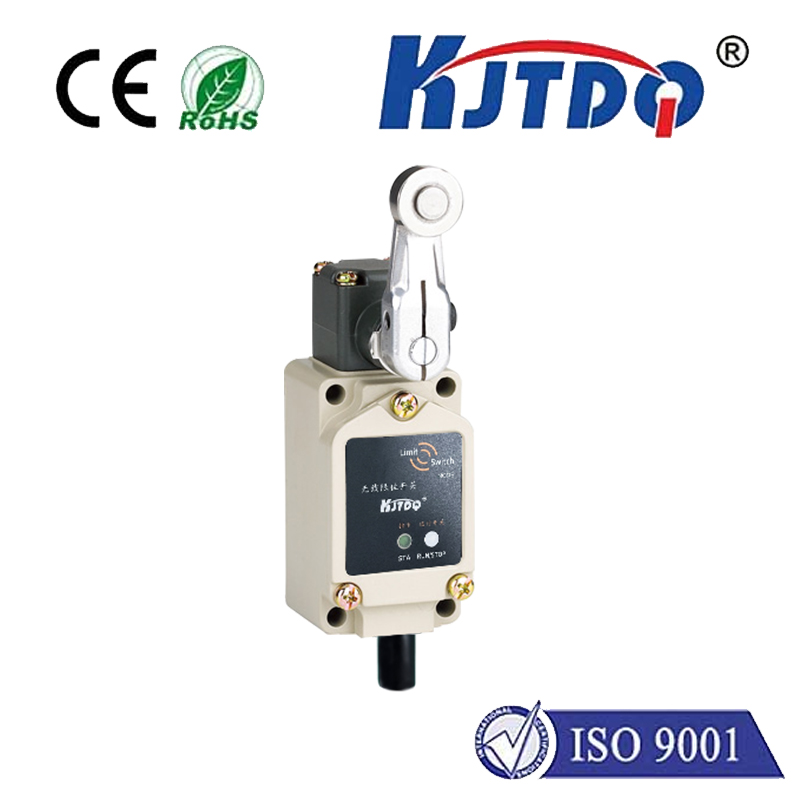
At its core, a linear actuator converts rotational motion from a motor into linear push-pull movement. The addition of limit switches—mechanical, magnetic, or optical sensors—defines the boundaries of this travel. Traditional actuators often come with fixed internal limits, restricting their stroke length to a predetermined value. While functional for specific uses, this lack of flexibility can be a significant limitation. Adjustable limit switches solve this problem elegantly. They are typically user-configurable sensors that can be positioned along the actuator's stroke to define custom endpoints. This means a single actuator model can be adapted for multiple applications with different required travel distances, simply by sliding or programming the switches to new positions.
The benefits of this adjustability are profound. First and foremost is enhanced precision. You can fine-tune the actuator to stop within millimeters of the desired position every single cycle, ensuring consistent operation in processes like dosing, positioning, or clamping. This repeatability is crucial for quality control in manufacturing and for user experience in consumer products. Secondly, it significantly improves safety. By preventing the actuator from over-extending or over-retracting, adjustable limits protect the actuator's internal gearing and motor from damage caused by mechanical jamming or stalling. This extends the lifespan of the device and prevents potential safety hazards in the system.
Furthermore, adjustable limit switches contribute to energy efficiency. The actuator motor only runs for the exact duration needed to travel between the set limits, reducing unnecessary power consumption and heat generation. From a design and prototyping perspective, they offer incredible flexibility. During the development phase, engineers can experiment with different stroke lengths without needing to source new hardware. For end-users, it allows for field adjustments and customization long after installation. For instance, in a home automation setup for projector screens, different screen sizes can be accommodated by simply readjusting the limits on the same actuator model.
Implementing adjustable limit switches involves different technologies. Mechanical switches use physical cams or sliders that trigger a switch when contacted. Magnetic switches employ a hall-effect sensor that is triggered by a magnet mounted on the actuator's drive nut. Optical switches use an infrared beam and a flag to detect position. Magnetic and optical types are often preferred for their non-contact operation, higher precision, and longer lifespan, as they avoid the wear and tear associated with physical contact. Many modern actuators with this feature also integrate seamlessly with control systems, providing feedback signals that can be used by programmable logic controllers (PLCs) or microcontrollers like Arduino for more complex automation sequences.
When selecting a linear actuator with adjustable limit switches, consider key specifications beyond just the stroke length and force. Look at the resolution of adjustability—how finely you can set the limits. Check the type of switch and its durability. Evaluate the ease of adjustment; some models offer tool-free sliding collars, while others might require a simple screwdriver or even software configuration via a companion app. The environmental rating (IP rating) is also vital if the actuator will be used in dusty, wet, or outdoor conditions.
In practical applications, the uses are vast. In medical equipment, such as adjustable hospital beds or dental chairs, they ensure smooth, safe, and precise positioning for patient comfort and care. In agriculture, they control the exact tilt of solar panels or the opening of ventilation flaps in greenhouses. In robotics, they define the precise range of motion for grippers or limbs. Even in recreational vehicles, they manage slide-outs or leveling systems with reliable, settable endpoints.
In conclusion, opting for a linear actuator equipped with adjustable limit switches is a strategic decision that elevates the capability, reliability, and intelligence of any motion control project. It moves beyond simple movement to deliver programmed, precise, and protected linear motion. This technology empowers creators to build systems that are not only functional but also adaptable, efficient, and built to last. By providing the tools to define exact operational boundaries, it puts complete control in the hands of the designer, ensuring that the actuator serves the application perfectly, today and for years to come.