check

check

check

check

check

check
In the intricate world of modern electronics and industrial automation, the reliability of a single component can dictate the success of an entire system. Among these critical components, the micro switch stands out for its precision and durability. Specifically, the V 153 1C25 micro switch has emerged as a benchmark in the industry, offering unparalleled performance in a compact form factor. This article delves into the features, applications, and technical advantages of this essential device, explaining why it is a preferred choice for engineers and designers globally.
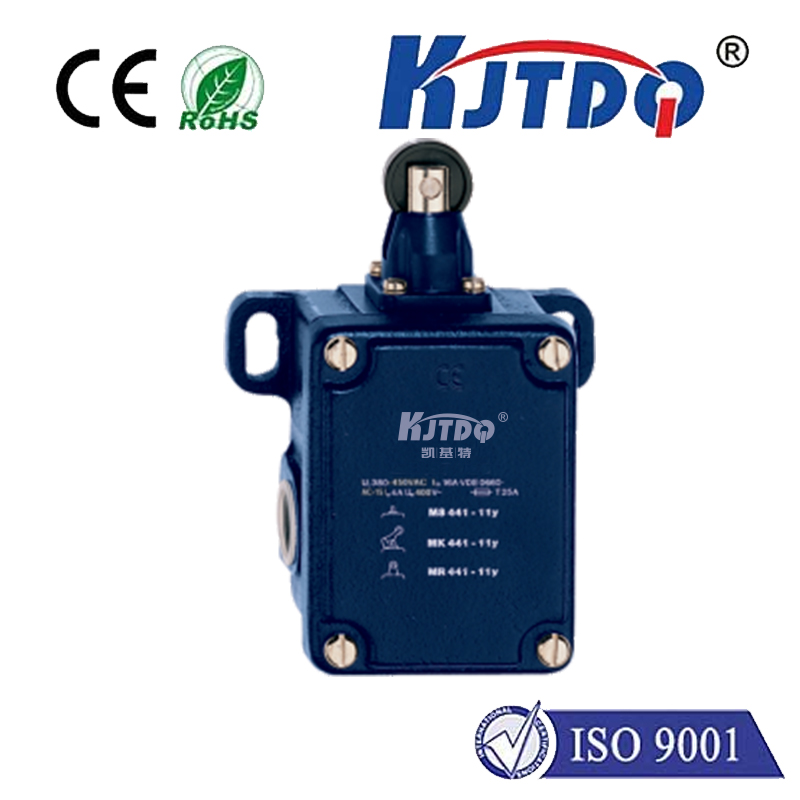
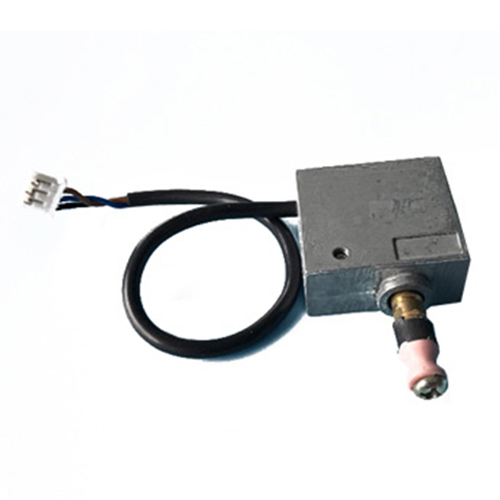
The V 153 1C25 is a sub-miniature snap-action switch, renowned for its consistent performance and long operational life. Its design incorporates a high-precision mechanism that ensures rapid contact switching with minimal physical force. The actuator of the V 153 1C25 is engineered to respond to minute movements, making it ideal for applications where space is limited and accuracy is paramount. The switch typically features a silver alloy contact point, which provides excellent electrical conductivity and resistance to arc erosion, thereby enhancing its longevity and reliability over millions of cycles.
One of the defining characteristics of the V 153 1C25 micro switch is its robust construction. Housed in a durable thermoplastic casing, it offers significant resistance to environmental factors such as dust, moisture, and temperature fluctuations. Many models are sealed to meet IP67 standards, making them suitable for harsh industrial environments, including automotive, agricultural machinery, and outdoor equipment. This resilience ensures that the switch maintains its performance integrity even under demanding conditions, reducing maintenance needs and downtime.
The applications of the V 153 1C25 micro switch are vast and varied. In the automotive sector, it is commonly found in door lock mechanisms, seat belt sensors, and brake pedal assemblies, where safety and reliability are non-negotiable. Within home appliances, these switches are integral to microwave ovens, washing machines, and refrigerators, often serving as door interlock switches or water level detectors. Industrial control panels, vending machines, and medical devices also rely on the precise actuation of the V 153 1C25 for functions ranging from limit sensing to user interface controls. Its versatility stems from its ability to handle low-current signal circuits as well as moderate power loads, typically up to 10-15 amps.
From a technical perspective, the V 153 1C25 offers several key advantages. Its snap-action mechanism provides a clear, audible click and a tactile feel, which is crucial for confirming operation in user interfaces. The differential travel—the distance between the actuation point and the release point—is minimal, allowing for highly repeatable switching. Electrical ratings are clearly defined, with options for various terminal types (such as quick-connect, solder, or PCB mount) to suit different assembly processes. Furthermore, its compact size, often around 19.8mm in length, allows for integration into increasingly miniaturized electronic designs without compromising on performance.
When selecting a micro switch for a project, engineers consider factors like electrical rating, mechanical life, operating force, and environmental sealing. The V 153 1C25 consistently meets high standards across these parameters. Its mechanical life can exceed 10 million cycles, a testament to its internal spring design and contact material quality. The operating force can be customized within a range, allowing designers to tailor the switch feel for specific applications, from a light touch in consumer electronics to a more deliberate action in industrial controls.
Installation and wiring of the V 153 1C25 are straightforward, contributing to its popularity in mass production. Proper mounting is essential to avoid pre-load stress on the actuator, which could affect performance. Following manufacturer guidelines for hole alignment and actuator orientation ensures optimal functionality. For long-term reliability, it is recommended to operate the switch within its specified electrical and environmental limits, avoiding exposure to excessive shock, vibration, or corrosive substances.
In conclusion, the V 153 1C25 micro switch represents a fusion of precision engineering and practical design. Its widespread adoption across diverse industries underscores its role as a fundamental component in enabling automation, enhancing safety, and improving user interaction with electronic devices. As technology continues to advance towards smarter and more connected systems, the demand for reliable, high-performance components like the V 153 1C25 will only grow. For designers seeking a proven solution for detection, control, or safety interlocking, this micro switch offers a compelling combination of durability, accuracy, and versatility, making it a cornerstone of modern electromechanical design.