check

check

check

check

check

check
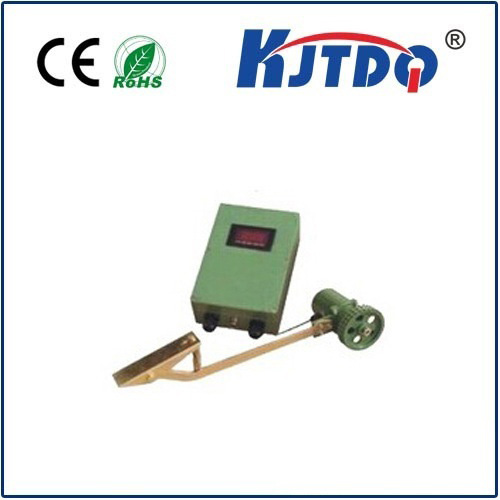
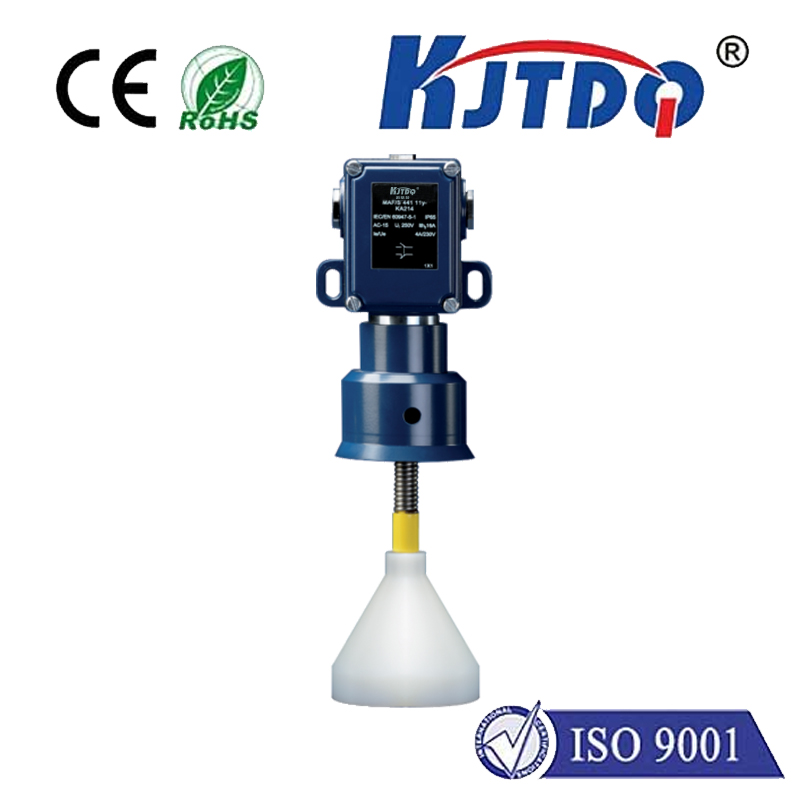
In industrial operations where overhead cranes are integral, the crane hoist limit switch stands as a critical component for ensuring both safety and operational precision. This device, often overlooked, serves as a guardian against over-hoisting incidents, which can lead to equipment damage, production delays, and severe safety hazards. By automatically halting the hoist mechanism when it reaches predetermined upper or lower limits, the limit switch prevents the hook or load block from colliding with the drum or other structural parts, thereby mitigating risks of mechanical failure and workplace accidents.
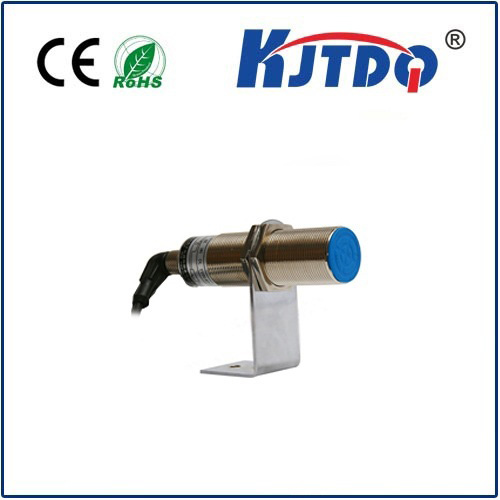
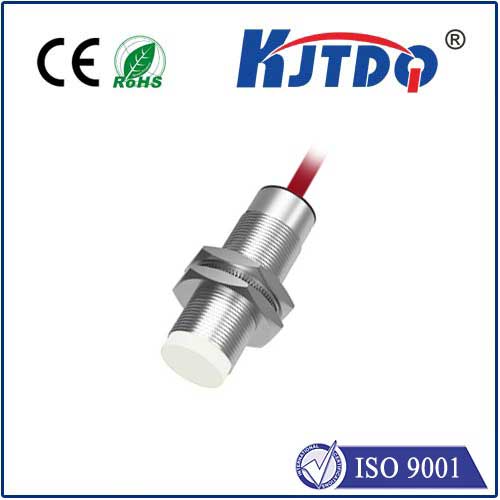
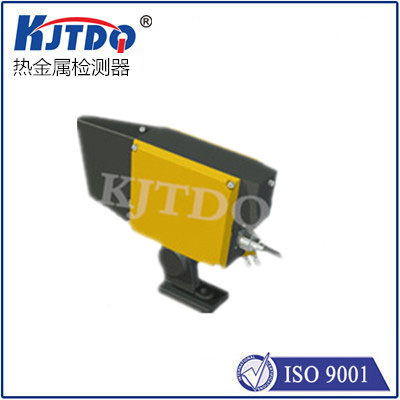
The KJTDQ series of crane hoist limit switches exemplifies innovation in this field, designed to meet rigorous industrial standards. These switches incorporate durable materials and advanced sensing technologies to withstand harsh environments, including exposure to dust, moisture, and extreme temperatures. Their robust construction ensures reliable performance in demanding settings such as manufacturing plants, construction sites, and shipping ports, where crane uptime is essential for productivity. Installation and maintenance of KJTDQ limit switches are streamlined for efficiency, featuring user-friendly calibration mechanisms that allow for easy adjustment of limit settings without extensive downtime. This adaptability is crucial for operations that require frequent changes in lift heights or load configurations. Regular inspection and testing of these switches are recommended to maintain optimal functionality, as wear and tear over time can affect sensitivity.
Beyond safety, the integration of a high-quality hoist limit switch like those from KJTDQ contributes to operational efficiency. By preventing over-travel, it reduces wear on hoist motors and braking systems, extending the lifespan of crane components and lowering maintenance costs. This proactive approach aligns with industry trends toward predictive maintenance and automation, where smart limit switches can be integrated with control systems for real-time monitoring and data logging. Such capabilities enable operators to track usage patterns, identify potential issues early, and optimize crane performance for specific tasks.
In practice, selecting the right limit switch involves considering factors such as load capacity, travel speed, and environmental conditions. The KJTDQ range offers versatile models tailored to various crane types, including wire rope hoists and chain hoists, ensuring compatibility across applications. Training personnel on the importance of these devices and proper handling procedures further enhances safety protocols, fostering a culture of vigilance in workplaces reliant on material handling equipment.
As industries evolve toward greater automation and safety regulations tighten, the role of the crane hoist limit switch becomes increasingly prominent. Investing in reliable solutions like KJTDQ not only safeguards assets and personnel but also supports seamless workflow continuity. By prioritizing this component, businesses can achieve a balance between risk management and productivity, underscoring its value as an indispensable tool in modern industrial operations.