check

check

check

check

check

check
In the world of industrial automation, precision, reliability, and durability are non-negotiable. Among the myriad of components that keep complex machinery running smoothly, the humble limit switch plays a pivotal role. The 60T15 limit switch stands out as a critical component for countless applications, from manufacturing assembly lines to heavy-duty material handling systems. This guide delves into the essential features, applications, and benefits of the 60T15 limit switch, explaining why it remains a cornerstone of modern industrial control.
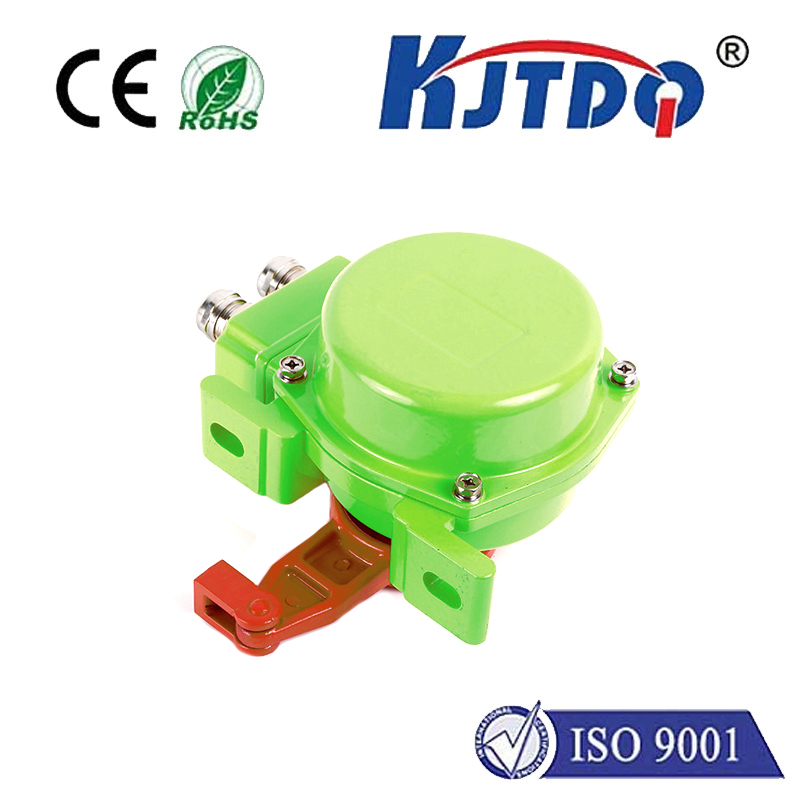
At its core, a limit switch is an electromechanical device that detects the presence or absence of an object, or monitors the limits of travel, by physical contact. The 60T15 model is specifically engineered for rugged environments. Its robust housing, typically constructed from die-cast metal or high-grade industrial plastics, provides exceptional resistance to impact, vibration, and harsh contaminants like oil, dust, and coolants. This inherent toughness ensures consistent operation even in the most demanding settings, minimizing unplanned downtime—a primary concern for any operation focused on efficiency.
The operational principle of the 60T15 limit switch is straightforward yet highly effective. It consists of an actuator head (which can be a roller lever, plunger, or whisker type) connected to a set of electrical contacts. When a moving machine part or object makes contact with the actuator, it triggers the internal mechanism to change the state of the contacts—either opening or closing an electrical circuit. This simple action sends a crucial signal to the machine's control system, such as a Programmable Logic Controller (PLC), to initiate a sequence: stopping a motor, reversing direction, activating a new process, or providing a positional safety interlock. The 60T15 is renowned for its precise repeatability, meaning it consistently operates at the exact same point every time, which is vital for maintaining product quality and process integrity.
One of the key strengths of the 60T15 series is its versatility. Available in various configurations regarding actuator type, electrical ratings, and connection methods, it can be tailored to specific needs. Common applications include:
* Conveyor Systems: Used to detect when a product reaches the end of a line or to count objects.
* Machine Tools: Employed as safety interlocks on guards or to define the travel limits of moving parts like lathe carriages or milling machine tables.
* Packaging Machinery: Ensures proper positioning of materials before sealing or cutting operations.
* Material Handling Equipment: Monitors the position of hoists, cranes, and automated guided vehicles (AGVs) to prevent over-travel.
* Door and Gate Control: Provides confirmation of whether an access panel, safety gate, or elevator door is fully closed or open.
Selecting the right 60T15 limit switch involves careful consideration of several factors. The electrical load (current and voltage) of the connected circuit must match the switch's rating. The required switching logic (normally open or normally closed contacts) is determined by the control system's safety and logic design. Environmental conditions are paramount; for wet or corrosive areas, models with high Ingress Protection (IP) ratings are essential. Finally, the mechanical life expectancy—often in the millions of cycles—should align with the application's duty cycle to ensure long-term reliability.
Beyond its technical specifications, the real value of the 60T15 limit switch lies in its contribution to operational safety and productivity. By providing reliable position feedback, it helps prevent machine damage and potential injuries caused by over-travel or malfunction. Its robust design translates to lower maintenance costs and fewer replacements, offering a strong return on investment. For engineers and maintenance professionals, its simple design also means easier troubleshooting and installation compared to more complex non-contact sensors in certain applications.
In conclusion, the 60T15 limit switch is far more than just a simple component; it is a fundamental enabler of automated control and safety. Its proven design, adaptability, and unwavering reliability under pressure make it an indispensable tool in the industrial landscape. For any operation seeking to enhance the precision, safety, and efficiency of its machinery, understanding and implementing the correct 60T15 limit switch is a critical step toward achieving seamless and dependable automation.