check

check

check

check

check

check
In industries where equipment operates submerged or in wet conditions, the reliability of control systems is paramount. A submersible limit switch plays a critical role in this context, acting as a guardian for machinery by providing precise positional feedback and control, even when fully immersed. Unlike standard limit switches, these specialized devices are engineered with robust housings, typically from materials like stainless steel or engineered polymers, and feature advanced sealing technologies such as multiple O-rings and epoxy-potted connections. This construction ensures they remain impervious to water, dust, corrosive fluids, and high-pressure conditions, making them indispensable in applications ranging from wastewater treatment plants and marine crane operations to deep-sea mining and offshore oil rigs.
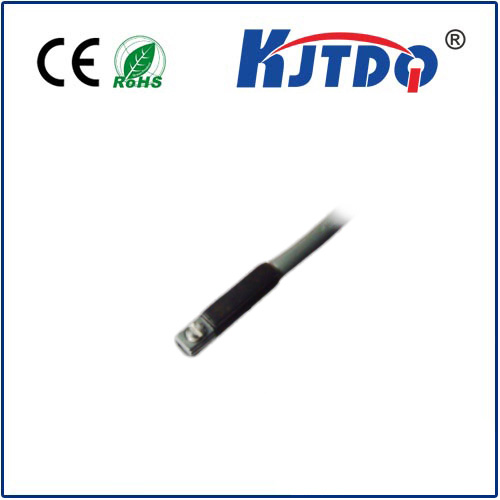
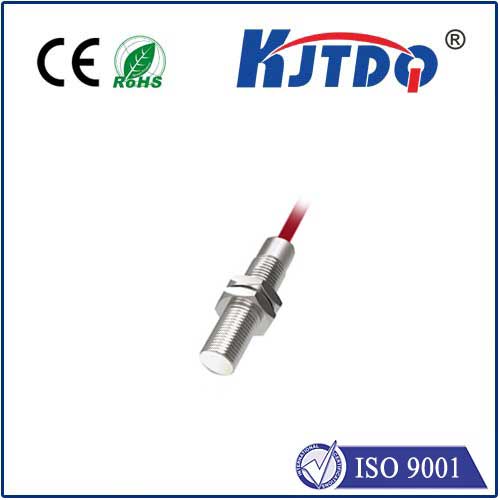
The core function of a submersible limit switch is to detect the presence or absence of an object, or to monitor the position of a moving part, and send an electrical signal to a control system. This simple action is the foundation for complex automation and safety protocols. For instance, in a submersible pump control system, the switch can be set to trigger an automatic shut-off when the pump reaches a certain depth or when a valve completes its rotation, preventing mechanical overtravel, equipment damage, or dry running. The "KJTDQ" designation often refers to specific model series known for their enhanced durability, consistent performance in turbulent flows, and extended operational life, which are key purchasing considerations for engineers.
Choosing the right submersible limit switch requires careful evaluation of several technical parameters. The ingress protection (IP) rating is crucial; a rating of IP68 signifies protection against long-term immersion under specified pressure, which is a common requirement. The operating temperature range must align with the environmental conditions, whether in a cold deep-sea current or near a hot industrial process. Furthermore, the electrical specifications—including voltage, current rating, and switching mechanism (e.g., snap-action for reliability)—must be compatible with the existing control circuitry. The actuator type, such as lever, roller, or plunger, is selected based on the mechanical motion it needs to sense.
The advantages of integrating a high-quality submersible limit switch like those in the KJTDQ series are multifaceted. Primarily, they dramatically enhance operational safety by providing fail-safe position monitoring, thereby reducing the risk of catastrophic equipment failure. They also contribute to significant maintenance cost savings. By enabling precise control and preventing abnormal operating conditions, these switches reduce wear and tear on motors, pumps, and actuators, leading to less downtime and longer intervals between servicing. Their reliability translates to consistent process automation, ensuring that sequences in water treatment or underwater vehicle manipulation proceed without unexpected interruptions.
Installation and long-term maintenance, while straightforward, demand attention to detail to preserve the switch's integrity. During installation, it is vital to follow the manufacturer's torque specifications for cable glands and housing bolts to maintain the seal. The mounting must be secure to avoid vibration-induced damage or false triggering. Regular maintenance, though minimal, should involve visual inspections for any physical damage to the housing or actuator and checking the integrity of the cable entry point. For switches in highly corrosive environments, more frequent checks may be necessary. It is also recommended to periodically test the electrical switching function to ensure signal accuracy.
In conclusion, the submersible limit switch is a small but vital component that safeguards expensive capital equipment and ensures continuous operation in challenging sub-aquatic settings. Series like KJTDQ represent the evolution of this technology, offering engineered solutions that meet the rigorous demands of modern industry. By providing dependable positional control where other switches would fail, they form an invisible yet essential layer of protection, enabling industries to push the boundaries of what is possible in underwater and harsh environment applications with confidence and safety.