check

check

check

check

check

check
In the intricate world of industrial automation and machinery control, precision and reliability are non-negotiable. Among the myriad components that ensure seamless operations, the NHP limit switch stands out as a fundamental yet critical device. These switches serve as the vigilant sentinels of motion control, providing essential feedback and safety interlocks in countless applications, from conveyor systems and robotic arms to heavy-duty manufacturing equipment.
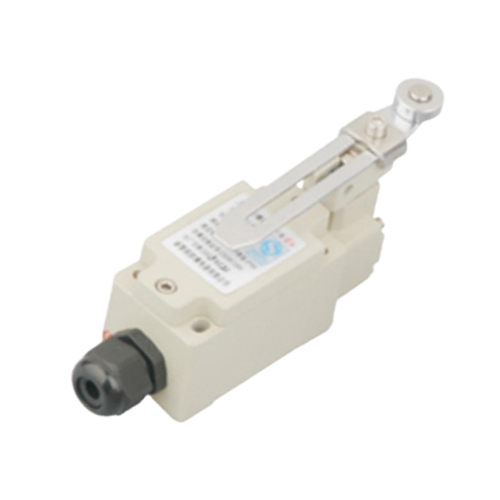
NHP, a renowned name in electrical engineering and industrial solutions, designs limit switches that are synonymous with durability and accuracy. An NHP limit switch is an electromechanical device that detects the presence or absence of an object, or monitors its position, by physically making or breaking an electrical contact. This simple action triggers a control signal that can start, stop, or alter a machine's sequence, preventing over-travel, enabling precise positioning, and safeguarding both equipment and personnel.
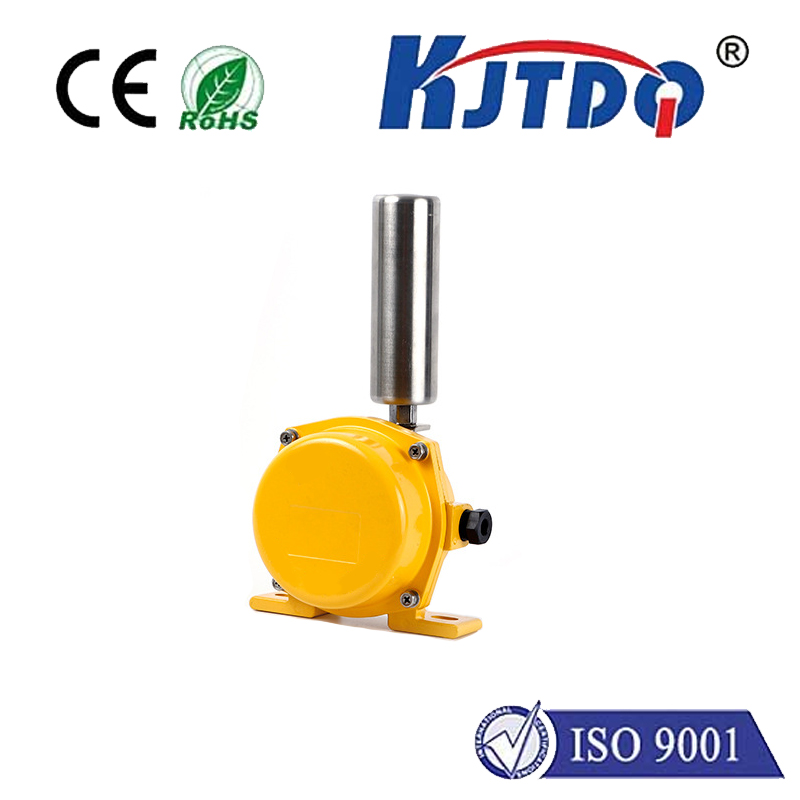
The core mechanism involves an actuator—a lever, roller, or plunger—that is physically displaced by the target object. This movement actuates the internal switching contacts. The robustness of NHP switches lies in their construction. Housed in rugged enclosures, often made from die-cast metal or high-grade engineering plastics, they are built to withstand harsh industrial environments. They offer protection against dust, moisture (with high IP ratings), oil, and mechanical impacts, ensuring consistent performance in demanding conditions like mining, material handling, and automotive assembly plants.
One of the key advantages of utilizing NHP limit switches is their straightforward integration and diagnostics. Their operation is tangible and easy to understand, making troubleshooting simpler compared to some purely electronic sensors. Maintenance personnel can often diagnose a fault through visual or auditory cues. Furthermore, NHP provides a range of configurations including various actuator styles, contact arrangements (normally open, normally closed), and operating forces, allowing for precise customization to fit specific application needs.
Beyond basic position detection, these switches play a pivotal role in safety systems. They are integral components in safety interlock gates, where opening a guard door triggers the limit switch to cut power, ensuring machinery cannot operate while access is possible. This direct, fail-safe functionality is crucial for compliance with international safety standards and regulations, helping to create a safer workplace.
When selecting an NHP limit switch for a project, engineers consider several factors. The operating environment dictates the required ingress protection (IP) rating. The type of actuator is chosen based on the direction and nature of the object's movement—a roller lever for linear motion, a plunger for direct push, or a wobble stick for multi-directional contact. Electrical specifications, such as voltage, current rating, and contact material, must match the control circuit's demands. Mechanical life expectancy, often rated in millions of cycles, is also a critical parameter for high-duty applications.
In modern automated systems, while advanced proximity sensors and vision systems are prevalent, the electromechanical limit switch remains irreplaceable for many tasks. Its physical contact provides a definitive, high-repeatability signal that is immune to many environmental interferences that can affect non-contact sensors. NHP's commitment to quality ensures their switches offer exceptional repeat accuracy and long-term reliability, minimizing downtime and maintenance costs.
Implementing NHP limit switches effectively requires proper installation and alignment. The actuator must be positioned to engage reliably with the target without excessive force or misalignment, which could lead to premature wear. Regular inspection as part of a preventive maintenance schedule can identify issues like loose mountings, worn actuator heads, or contact degradation before they cause a system failure.
In conclusion, NHP limit switches represent a cornerstone of practical industrial control. Their robust design, operational simplicity, and proven reliability make them an indispensable tool for engineers seeking to enhance machine safety, improve process accuracy, and ensure operational continuity. By providing a dependable physical interface between mechanical movement and electrical control systems, they continue to be a trusted choice for safeguarding and optimizing industrial automation across the globe.