check

check

check

check

check

check
In the world of industrial automation and machinery safety, precise control and reliable fail-safes are paramount. One critical component that often operates behind the scenes, ensuring both efficiency and safety, is the upper limit switch. This device, though seemingly simple, plays a vital role in preventing equipment damage, protecting personnel, and maintaining seamless operational workflows.
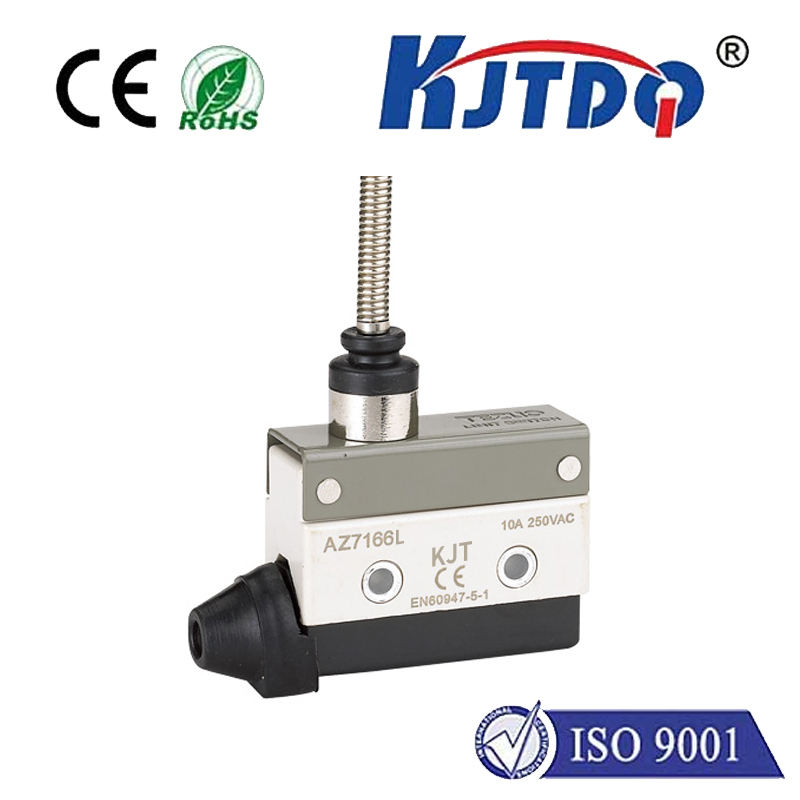
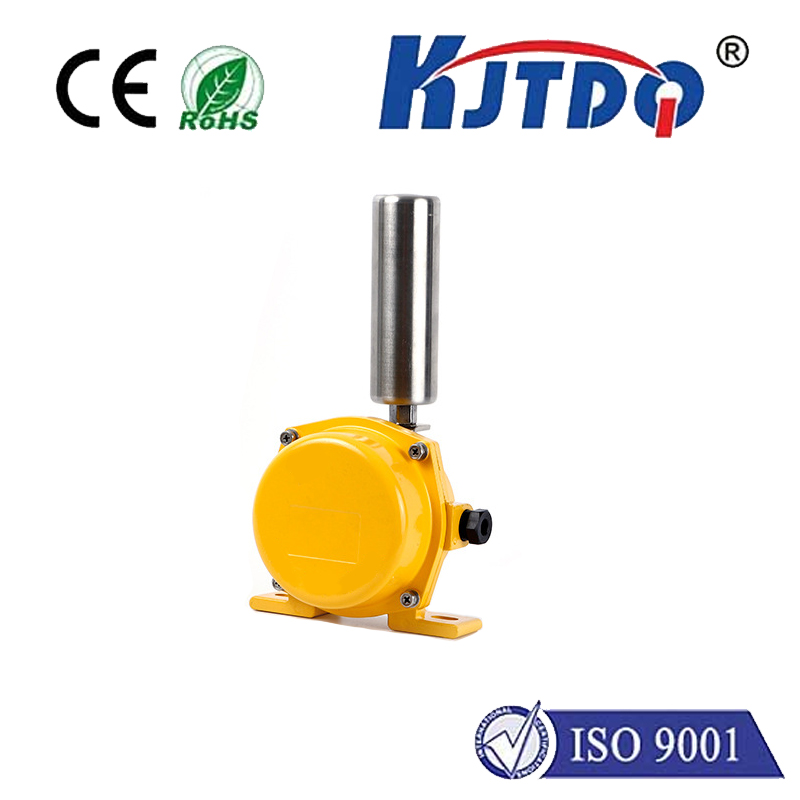
An upper limit switch is a type of position-sensing device. Its primary function is to detect when a moving part or object has reached a predetermined maximum point in its travel path. Upon reaching this "upper limit," the switch is actuated, sending an electrical signal to the control system. This signal typically commands the machinery to stop or reverse its motion, thereby preventing over-travel. Over-travel can lead to mechanical collisions, structural stress, or even catastrophic failure. For instance, in a hoisting system like an elevator or a crane, the upper limit switch ensures the cab or hook does not ascend beyond the safe topmost point, protecting against collisions with the overhead structure.
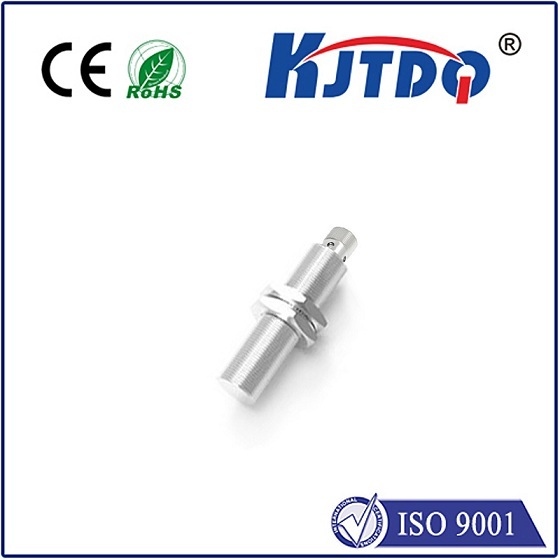
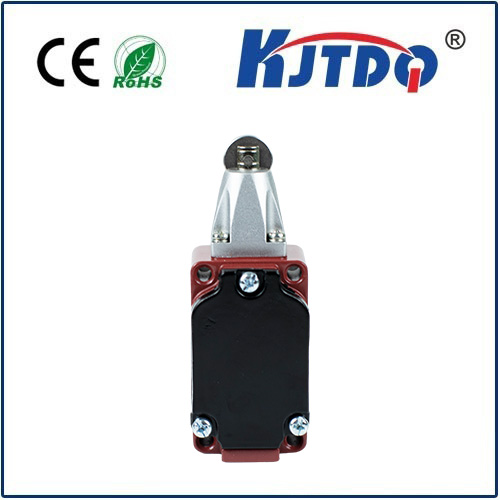
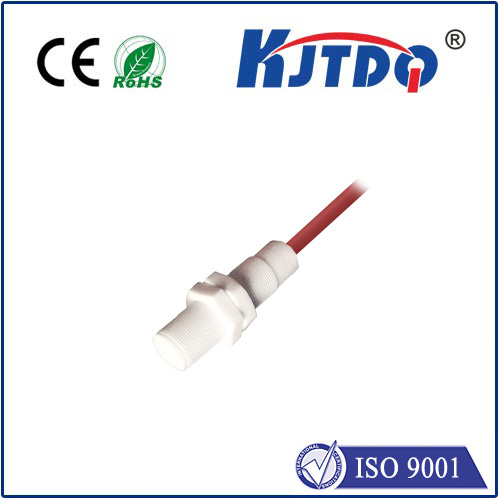
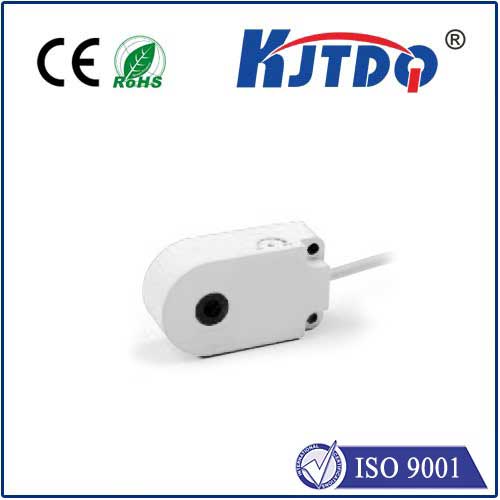
The operational principle of these switches is straightforward but robust. Most commonly, they are electromechanical devices. A physical actuator—such as a lever, roller, or plunger—is positioned in the path of the moving object. When the object contacts the actuator, it triggers an internal mechanism that changes the state of electrical contacts within the switch. This change, from open to closed or vice-versa, creates the control signal. Modern variations also include non-contact types, such as inductive or capacitive proximity switches, which are ideal for harsh environments where physical contact might cause wear or contamination.
Selecting the right upper limit switch depends heavily on the application's specific demands. Key considerations include the operating environment, required precision, and the nature of the load. For harsh conditions involving dust, moisture, or extreme temperatures, switches with high Ingress Protection (IP) ratings are essential. The required switching frequency—how often the switch will be actuated—determines its mechanical lifespan. Furthermore, the electrical specifications, such as voltage, current rating (both for the load and the control circuit), and the type of output (e.g., Normally Open or Normally Closed contacts), must be compatible with the existing control system.
Beyond basic over-travel prevention, the strategic implementation of upper limit switches unlocks significant benefits. Firstly, they are a cornerstone of functional safety, helping systems comply with international standards. By preventing mechanical limits from being breached, they reduce wear and tear on motors, gears, and structural components, leading to lower maintenance costs and longer equipment life. In automated production lines, they provide precise positional verification, ensuring processes like robotic arm movement or conveyor belt indexing occur accurately and repeatably. This precision directly enhances product quality and overall throughput.
Regular inspection and maintenance are crucial for ensuring the long-term reliability of any limit switch. Technicians should periodically check for physical damage to the actuator and housing, ensure secure mounting, and verify the alignment with the target object. Electrical connections must remain tight and free from corrosion. Testing the switch's operation by manually triggering it and observing the system response is a standard part of preventive maintenance schedules. A failed or misaligned limit switch can render a critical safety system inactive, posing significant risks.
In summary, the upper limit switch is an indispensable guardian in mechanical systems. Its role in establishing a safe operational boundary is fundamental to modern industry. From manufacturing and material handling to automotive and aerospace applications, this reliable component ensures that machinery operates within its designed parameters. Understanding its function, proper selection criteria, and maintenance needs is key for engineers and technicians aiming to optimize system safety, reliability, and productivity. As automation advances, the fundamental principle of the limit switch remains a trusted and essential element in the control landscape.