check

check

check

check

check

check
In the intricate world of industrial automation, where precision and reliability are non-negotiable, the roller plunger switch stands as a fundamental yet critical component. Often overlooked in favor of more complex systems, this electromechanical device is the unsung hero in countless applications, providing accurate position sensing and limit control. For engineers and system integrators, understanding the nuances of the roller plunger switch is key to optimizing machine performance and ensuring operational safety.
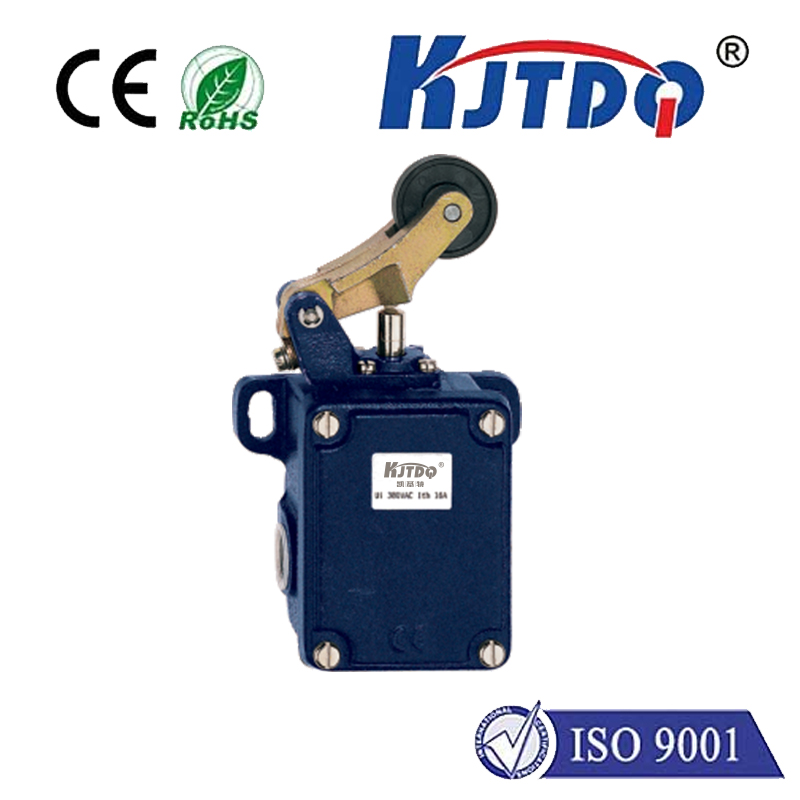
At its core, a roller plunger switch is a type of limit switch. It features a spring-loaded plunger with a small roller at its tip. This design allows the switch to be actuated by the physical movement of a machine part—such as a cam, sliding door, or robotic arm—that makes contact with the roller. The roller reduces friction and wear, enabling smooth operation even with repeated contact. When the plunger is depressed to a specific point, it triggers an internal mechanism to change the state of the electrical contacts, opening or closing a circuit. This simple action sends a crucial signal to the machine's control system, indicating that a specific position has been reached or a limit has been encountered.
The applications for roller plunger switches are vast and varied. They are indispensable in material handling systems, where they detect the presence or position of packages on a conveyor belt. In packaging machinery, they ensure that sealing jaws or filling nozzles are in the correct position before an operation commences. Within automated assembly lines, these switches provide end-of-travel detection for linear actuators and confirm the closed position of safety guards. The robust construction of high-quality roller plunger switches makes them suitable for harsh environments, resisting dust, moisture, and mechanical shock.
Selecting the right roller plunger switch for an application requires careful consideration of several technical parameters. The operating force, or the amount of pressure needed to actuate the switch, must be matched to the force exerted by the moving part. The pretravel and overtravel distances are critical for proper mechanical alignment and longevity. Electrical ratings, including voltage, current, and contact configuration (normally open or normally closed), must be compatible with the control circuit. Environmental factors like ingress protection (IP) ratings for dust and water resistance are essential for reliability in challenging conditions. Furthermore, the mechanical life expectancy, often rated in millions of operations, is a key indicator of durability.
The advantages of integrating roller plunger switches into an automation system are clear. They offer a cost-effective and highly reliable solution for position feedback. Their electromechanical nature provides a definitive, physical actuation that is often more trusted in critical safety applications than some non-contact sensors. The tactile feedback and audible click can also be valuable for manual setup and troubleshooting. When properly selected and installed, they contribute significantly to reducing machine downtime and preventing damage from over-travel or misalignment.
Installation and maintenance are straightforward but vital. The switch must be mounted securely to prevent vibration from causing false signals. The actuating object must make contact with the roller at the correct angle and position to avoid sideloading, which can damage the plunger. Regular inspection for mechanical wear on the roller and plunger, as well as checking for loose mounting hardware, forms part of a proactive maintenance routine. Keeping the roller clean from oil, grease, and debris ensures consistent performance.
In conclusion, the roller plunger switch remains a cornerstone of practical and reliable industrial automation. Its simple, robust design belies its importance in creating safe, efficient, and repeatable machine cycles. For professionals specifying components for a new system or maintaining an existing one, a deep appreciation of this device's capabilities and selection criteria is instrumental. By choosing high-quality switches from reputable manufacturers and adhering to best practices in application and maintenance, businesses can achieve the precise control necessary for modern manufacturing excellence.