check

check

check

check

check

check
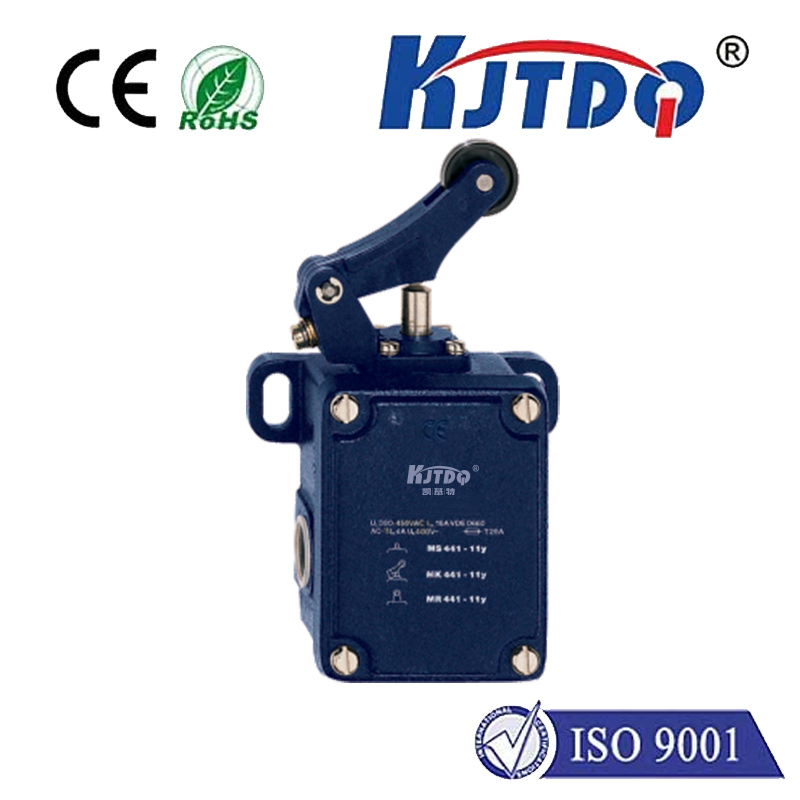
In modern industrial environments, the integration of precise control mechanisms is paramount for operational safety and efficiency. Among these, the foot pedal limit switch stands out as a critical component, particularly in machinery where hands-free operation is essential. This device, often referred to as a foot-operated limit switch, allows operators to control equipment through pedal movements, triggering electrical circuits when specific positions are reached. Its design typically includes a robust pedal connected to a switch mechanism that can be set to activate or deactivate at predetermined limits, ensuring consistent performance in demanding settings such as manufacturing lines, automotive assembly, and packaging systems.
The primary advantage of a foot pedal limit switch lies in its ability to enhance workplace safety. By enabling operators to use their feet for control, it reduces the need for hand involvement in hazardous areas, minimizing the risk of injuries from moving parts or electrical hazards. For instance, in press machines or cutting equipment, the switch can be configured to stop operations immediately if the pedal is released or over-pressed, preventing accidents caused by human error or machine malfunction. This proactive safety feature aligns with global industrial standards, helping companies comply with regulations like OSHA guidelines while fostering a safer work culture.
Beyond safety, the foot pedal limit switch contributes significantly to efficiency and productivity. In high-speed production environments, quick and reliable control responses are crucial. The switch's tactile feedback allows for seamless operation, reducing downtime associated with manual adjustments. Many models are engineered with durability in mind, featuring materials like stainless steel or reinforced plastics that withstand heavy usage, extreme temperatures, and exposure to oils or dust. This resilience ensures long-term reliability, lowering maintenance costs and extending the lifespan of machinery. Additionally, some advanced versions offer adjustable settings for sensitivity and travel distance, allowing customization to specific tasks—from delicate assembly work to heavy-duty stamping processes.
The versatility of foot pedal limit switches makes them suitable for diverse industries. In the medical field, for example, they are used in surgical tables or diagnostic devices where sterile, hands-free control is vital. In logistics, they facilitate the operation of conveyor belts or lifting equipment, streamlining material handling. The integration with programmable logic controllers (PLCs) and automation systems further enhances their functionality, enabling complex sequences and remote monitoring. As industries embrace Industry 4.0 trends, these switches are evolving to include smart features like IoT connectivity, which provides real-time data on usage patterns and predictive maintenance alerts.
When selecting a foot pedal limit switch, key factors to consider include load capacity, environmental resistance, and ergonomic design. Operators should opt for models with non-slip surfaces and comfortable angles to reduce fatigue during prolonged use. Proper installation and regular inspections are also essential to maintain optimal performance, as wear and tear can affect accuracy over time. Manufacturers often provide certifications, such as IP ratings for dust and water protection, ensuring suitability for harsh conditions.
In summary, the foot pedal limit switch is an indispensable tool in modern industry, bridging the gap between human input and automated systems. Its role in promoting safety, boosting efficiency, and adapting to technological advancements underscores its value across sectors. As businesses continue to prioritize innovation and worker well-being, investing in high-quality foot pedal switches can lead to tangible improvements in operational outcomes, making them a smart choice for any forward-thinking enterprise.