check

check

check

check

check

check
In industrial automation and machinery control, precision and safety are non-negotiable. At the heart of ensuring these critical parameters lies a seemingly simple yet profoundly important component: the close limit switch. This device acts as a silent sentinel, defining the endpoint of motion for actuators, valves, doors, and countless other mechanical systems. Its primary function is to detect when a moving part has reached its designated closed or home position, sending a definitive signal to the control system to halt further movement in that direction.
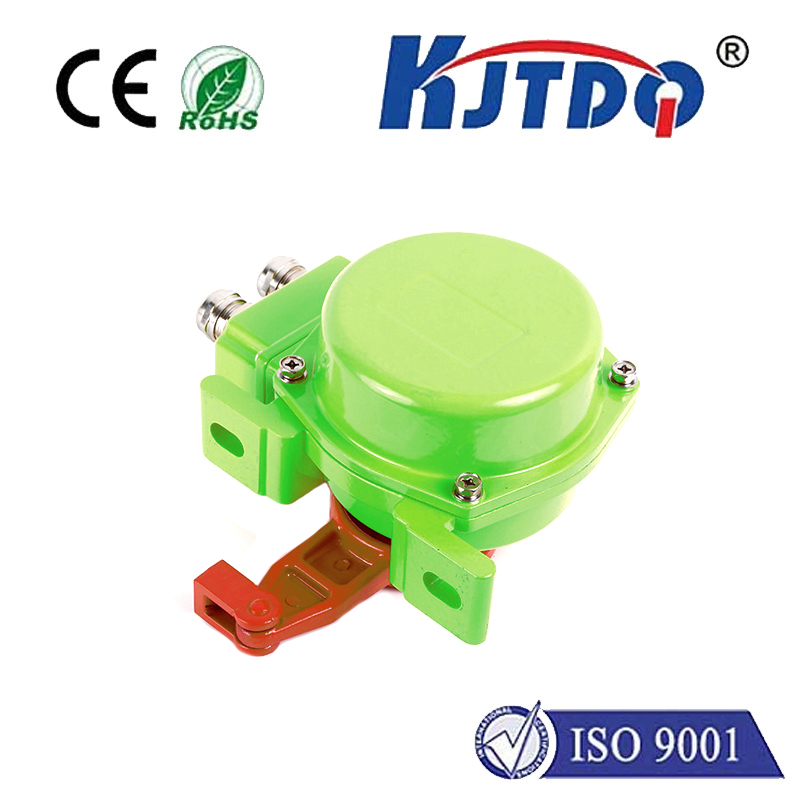
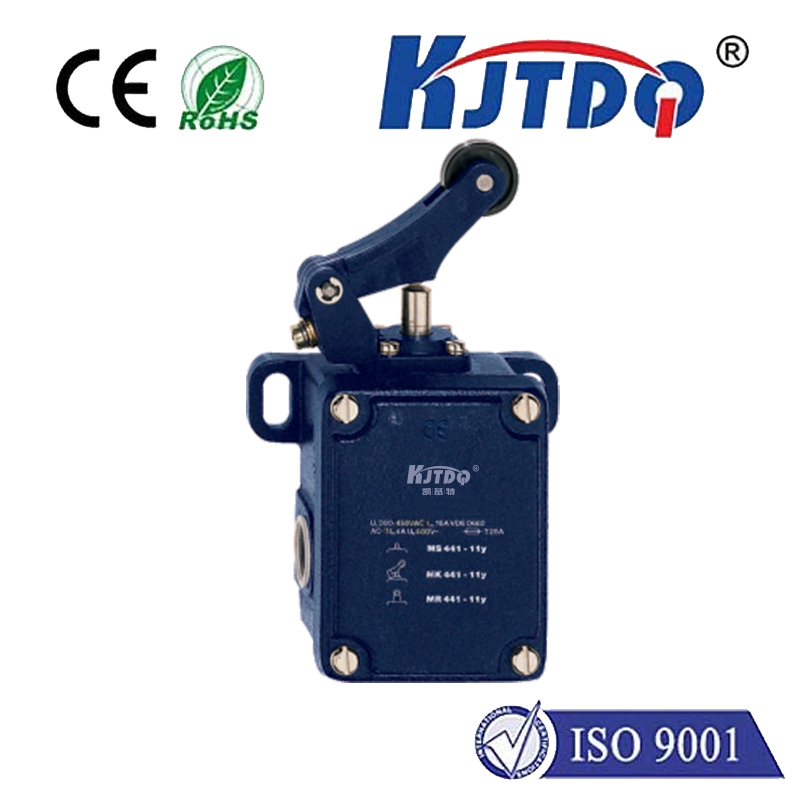
Understanding the operational principle of a close limit switch is fundamental. Most commonly, these switches are electromechanical devices. They consist of an actuator (like a lever, roller, or plunger) physically linked to a set of electrical contacts. When the target machine part—say, a sliding gate or a robotic arm—reaches its closed position, it makes contact with the actuator. This physical interaction triggers the internal mechanism to change the state of the electrical contacts. Typically, this means opening or closing a circuit, which generates a clear "position achieved" signal. This signal is instantly relayed to a Programmable Logic Controller (PLC), motor starter, or other control unit, instructing it to stop the drive mechanism. This process prevents overtravel, which could lead to mechanical damage, jamming, or even catastrophic failure.
The applications for close limit switches are vast and varied across industries. In manufacturing, they are indispensable on assembly lines, ensuring robotic arms retract to a safe home position before the next cycle begins. Within the packaging sector, they guarantee that sealing jaws or filling nozzles return to a precise start point. For material handling, such as on conveyor systems or automated storage and retrieval systems (AS/RS), these switches confirm that lifts, shuttles, or doors are fully closed before operation commences, protecting both goods and personnel. In building automation, they are critical for elevator doors, ensuring they are securely closed before the car moves, and for HVAC systems, confirming damper positions for optimal airflow control.
Selecting the right close limit switch for an application requires careful consideration of several factors. The environment is paramount. Will the switch be exposed to dust, moisture, oils, or extreme temperatures? For harsh conditions, robust housings with high Ingress Protection (IP) ratings, such as IP67, are essential. The type of actuator—lever, roller plunger, or rod—must be chosen based on the direction and nature of the mechanical contact. Operational life, expressed in millions of cycles, is another key specification, especially for high-speed machinery. Furthermore, the electrical rating (voltage and current of the load it controls) must match the system requirements. Finally, the output configuration, whether normally open (NO), normally closed (NC), or changeover contacts, must align with the safety logic of the control circuit.
The implementation of a close limit switch is a cornerstone of functional safety. By providing a positive, physically-derived signal of position, it acts as a primary safety interlock. This helps prevent machines from operating when guards are open or when components are out of position, directly reducing the risk of accidents. Regular maintenance and testing are crucial to ensure long-term reliability. This includes checking for physical damage to the actuator or housing, ensuring tight mounting, verifying the alignment with the target, and testing the electrical signal output. A failed or misaligned limit switch can lead to unsafe operation, unplanned downtime, and costly repairs.
In summary, the close limit switch is far more than a simple mechanical stop. It is a vital interface between the physical movement of machinery and the electronic control system that governs it. Its role in enabling precise, repeatable, and safe operation is irreplaceable in modern automation. From protecting multi-million dollar equipment to ensuring the basic safety of daily interactions with automated systems, the reliable performance of these switches underpins efficiency and security in industrial and commercial settings alike. Choosing, installing, and maintaining them with diligence is not just a technical task, but a fundamental commitment to operational excellence and workplace safety.