check

check

check

check

check

check
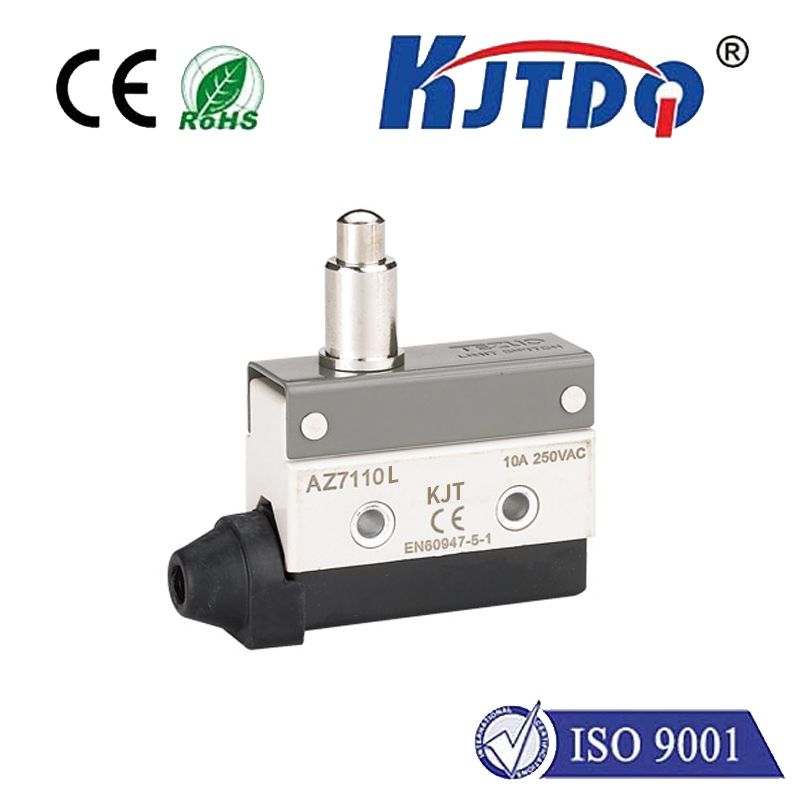
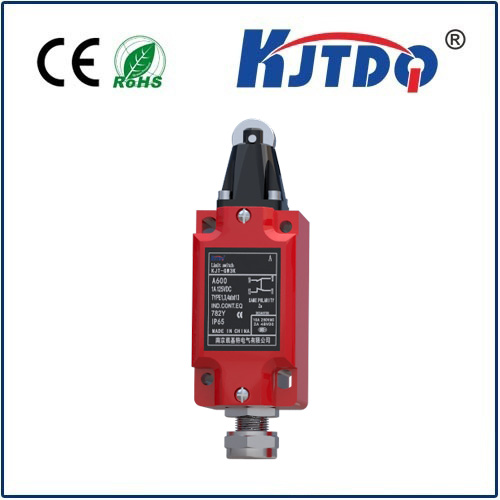
In the intricate world of industrial automation and machinery control, a small yet critical component often operates behind the scenes, ensuring safety, precision, and reliability. This component is the limit switch. A limit switch is an electromechanical device designed to detect the presence or absence of an object, or to monitor the position of a moving part, and subsequently send a signal to control a circuit. Its fundamental operation is straightforward: when an actuator, such as a cam, lever, or plunger, is physically moved by the target object, it triggers the internal contacts to either open or close an electrical circuit. This simple action forms the backbone of countless automated processes, from manufacturing assembly lines to elevator control systems.
The importance of the limit switch cannot be overstated. Primarily, it serves as a crucial safety sentinel. In applications like garage door openers or industrial presses, limit switches are strategically placed to define the extreme boundaries of movement. When the door reaches its fully open or closed position, the switch is actuated, cutting power to the motor and preventing over-travel that could cause mechanical damage, product spoilage, or even personal injury. This function of establishing precise endpoints is vital for protecting both equipment and personnel.
Beyond safety, limit switches are indispensable for enabling sequential control and process automation. Consider a packaging machine where a product must be positioned correctly before a sealing operation can begin. A limit switch confirms the product's arrival at the designated spot, sending a signal to the controller to initiate the next step in the sequence. This ensures operations are performed in the correct order and at the right time, enhancing efficiency and product consistency. Their robust construction, often featuring sealed housings to withstand dust, moisture, and harsh environments, makes them suitable for demanding settings like steel mills, food processing plants, and outdoor machinery.
While modern sensors, such as proximity sensors and photoelectric eyes, offer contactless detection, the traditional electromechanical limit switch retains significant advantages. Its operation is physically tangible and easily understood by maintenance technicians. The audible click and visible movement of the actuator provide immediate, direct feedback about its state, which simplifies troubleshooting. Furthermore, limit switches are generally cost-effective, highly reliable under high-current loads, and immune to the environmental interference that can sometimes affect more sophisticated electronic sensors.
When selecting a limit switch for a specific application, several factors must be considered. These include the type of actuator (roller lever, fork lever, plunger, etc.), the electrical rating (voltage and current capacity), the required switching function (normally open or normally closed), and the environmental protection rating (such as IP67 for dust and water resistance). Proper installation and regular maintenance are key to longevity. This involves ensuring correct actuator alignment, checking for wear on mechanical parts, and verifying electrical contact integrity.
In conclusion, the humble limit switch remains a cornerstone of industrial control. Its blend of mechanical simplicity, electrical reliability, and functional versatility ensures it continues to play a vital role in the automated systems that drive modern industry. From ensuring the safe operation of a crane to precisely controlling the fill level in a bottling plant, the limit switch is a fundamental component that translates physical motion into actionable electrical commands, making our automated world both safer and more efficient.