check

check

check

check

check

check
In the world of industrial automation and machinery, precision and reliability are non-negotiable. Among the myriad of components that ensure operations run smoothly and safely, the cam limit switch stands out as a fundamental yet critical device. This electromechanical component plays a pivotal role in controlling the movement of machines by defining the limits of travel for moving parts, thereby preventing damage and enhancing operational efficiency.
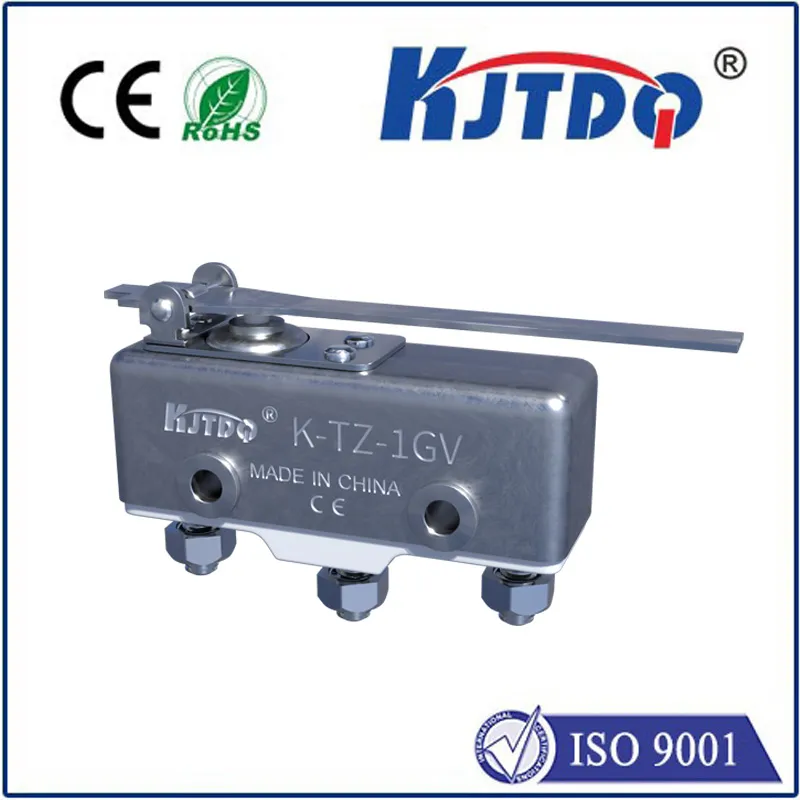
A cam limit switch is essentially a switch operated by the motion of a machine or a cam—a rotating or sliding piece that transmits motion. The core function is straightforward: it makes or breaks an electrical circuit when a machine part reaches a predetermined point in its travel path. This action can start, stop, or change the sequence of operations, making it indispensable in automated systems. The switch is typically activated by a lever, roller, or plunger that is physically engaged by the cam's profile. As the cam rotates or moves, it presses against the actuator of the switch, triggering the electrical contact change.
The applications of cam limit switches are vast and varied. They are commonly found in conveyor systems, where they control the start and stop points for material handling. In packaging machinery, they ensure precise positioning for filling and sealing processes. Industrial doors and gates utilize them to limit opening and closing ranges, while in CNC machines and robotics, they provide accurate positional feedback for complex movements. Their robustness allows them to perform reliably in harsh environments involving dust, moisture, and temperature fluctuations, which is why they are preferred in manufacturing, automotive, and material handling industries.
One of the key advantages of using a cam limit switch is its simplicity and durability. Unlike some modern sensor-based systems, these switches offer a direct mechanical interface, which can be more reliable in certain high-vibration or electrically noisy environments. They provide a tangible, physical confirmation of position, which is often crucial for safety interlocks. Maintenance is relatively straightforward, as their mechanical nature allows for easy inspection and replacement. Furthermore, they are cost-effective solutions for many basic positioning tasks, offering excellent value without compromising on performance.
When selecting a cam limit switch for a specific application, several factors must be considered. The operating environment is paramount; switches are rated with specific Ingress Protection (IP) codes to indicate their resistance to dust and water. The electrical ratings, including voltage and current capacity, must match the system requirements. The type of actuator—lever, roller, or plunger—and its orientation should be chosen based on the cam's motion and the required actuation force. Additionally, the mechanical life expectancy, often measured in millions of cycles, is a critical factor for high-duty applications. Proper installation and alignment are also essential to ensure accurate triggering and longevity.
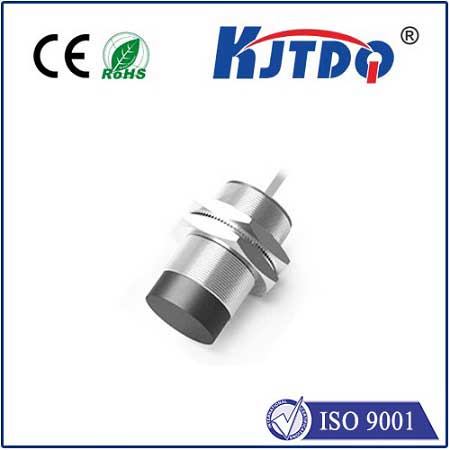
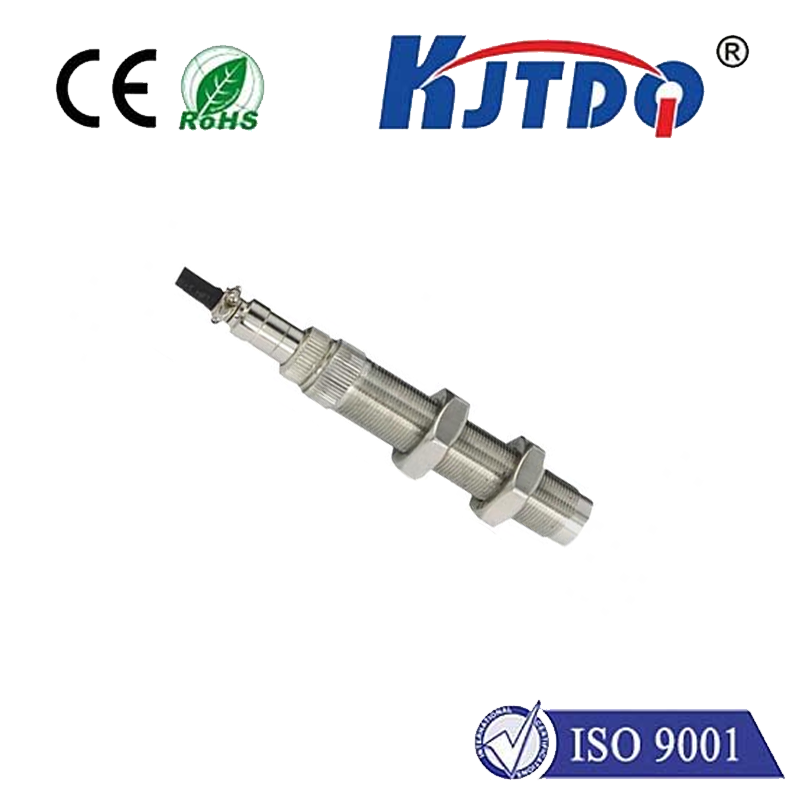
In comparison to proximity sensors or photoelectric switches, cam limit switches offer a distinct tactile feedback. While non-contact sensors have their place in clean, high-speed applications, the physical engagement of a limit switch can be advantageous for applications requiring definite mechanical confirmation. However, it's important to note that mechanical wear over time is a consideration, and regular checks are necessary to prevent failure.
The integration of cam limit switches into control systems is typically simple. They are wired into the control circuit of a machine, often acting as inputs to a Programmable Logic Controller (PLC) or a relay system. When the switch is actuated, it sends a signal that can halt a motor, reverse a direction, or initiate the next step in a sequence. This direct control capability makes them a cornerstone of many safety and operational protocols.
In summary, the cam limit switch remains a vital component in mechanical and automated systems. Its ability to provide reliable, physical limit detection ensures the safe and efficient operation of countless machines. From simple mechanical devices to complex automated lines, understanding and utilizing these switches correctly can significantly enhance system performance and safety. As technology evolves, the principles behind these switches continue to underpin more advanced control strategies, proving that sometimes, the most effective solutions are those built on time-tested, mechanical reliability.