check

check

check

check

check

check
In industrial and construction environments, material handling equipment such as cranes, hoists, and elevators operates under demanding conditions, often lifting and moving heavy loads. The safety and reliability of these systems are paramount, not only to protect valuable assets but, more importantly, to safeguard human lives. This is where the critical role of a load limit switch comes into sharp focus. Often referred to as an overload protection device or a safety cut-off, this component acts as a vigilant guardian, preventing equipment from operating beyond its designated safe working capacity.
A load limit switch is fundamentally a safety device designed to monitor the weight or force being applied to a piece of equipment. It is typically integrated into the lifting or pulling mechanism. The core principle is straightforward: when the load being handled reaches or exceeds a pre-set threshold—the safe working load limit—the switch is triggered. This activation immediately interrupts the power supply or control circuit, halting the operation. This automatic intervention prevents catastrophic failures such as structural damage to the crane boom, snapping of cables, motor burnout, or the devastating possibility of a dropped load.
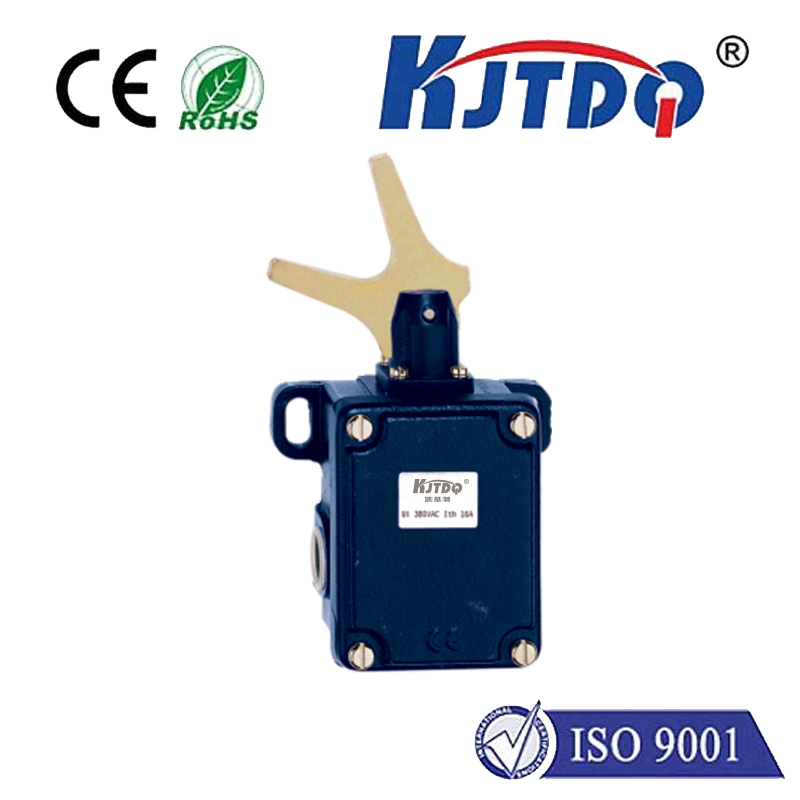
The technology behind these switches varies to suit different applications. Common types include mechanical lever-arm switches, which physically trip when a set force is applied, and more advanced electronic or hydraulic systems that use load cells or pressure sensors for precise measurement. Electronic systems offer higher accuracy and the ability to integrate with programmable logic controllers (PLCs) for sophisticated monitoring and data logging. This allows for real-time load indication, warning alarms before the cut-off point is reached, and detailed records of operational history for maintenance and compliance purposes.
The benefits of implementing a reliable load limit switch system are extensive. Primarily, it is a cornerstone of operational safety, drastically reducing the risk of accidents and creating a safer workplace. This directly contributes to regulatory compliance with standards set by organizations like OSHA (Occupational Safety and Health Administration) and other international safety bodies. Furthermore, by preventing overloads, the switch protects the capital investment in the machinery itself. It minimizes wear and tear on mechanical components like gears, brakes, and wire ropes, leading to reduced downtime, lower maintenance costs, and a significantly extended equipment lifespan. From an efficiency standpoint, it ensures operations run within optimal parameters, preventing costly delays caused by equipment failure or accident investigations.
Selecting the right load limit switch requires careful consideration of several factors. The most crucial is the equipment's rated capacity and the specific application environment. Is it for a rugged outdoor crane exposed to the elements, or a clean-room hoist? Factors like required accuracy, the need for warnings versus immediate cut-off, and compatibility with existing control systems must be evaluated. Regular inspection, testing, and calibration are non-negotiable maintenance practices to ensure the switch functions correctly when needed. A safety device is only as good as its reliability.
In conclusion, the load limit switch is far more than a simple component; it is an essential, intelligent layer of protection embedded within material handling systems. By automatically enforcing safe load limits, it upholds the highest standards of safety, protects physical assets, and promotes efficient, uninterrupted operations. For any industry reliant on lifting and moving materials, investing in and maintaining high-quality load limit switches is not merely a technical specification—it is a fundamental commitment to responsible and sustainable operation.