check

check

check

check

check

check
For recreational vehicle owners, maintaining a comfortable living environment on the road is paramount. The furnace is a critical component of this comfort, especially during chilly nights or in colder climates. At the heart of a reliable Atwood RV furnace operation lies a small but vital safety component: the limit switch. Understanding its function, recognizing signs of failure, and knowing the basics of maintenance can save you from cold nights and costly repairs.
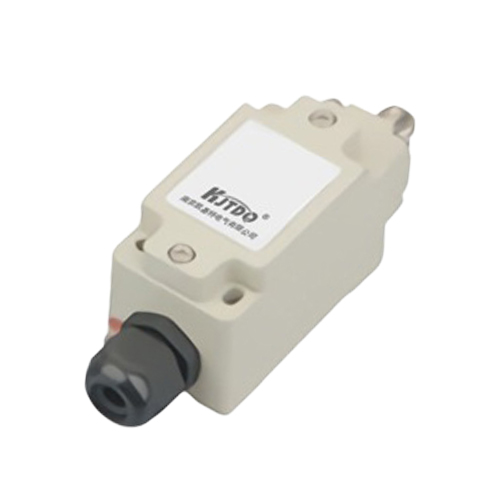
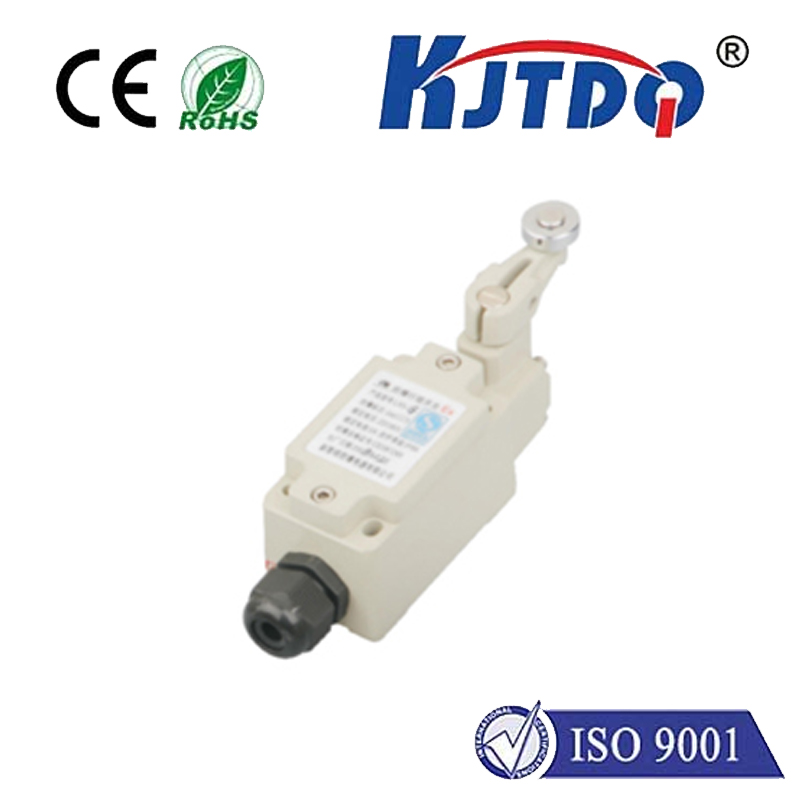
An Atwood furnace limit switch is a temperature-sensitive safety device. Its primary role is to monitor the heat exchanger's temperature. Think of it as a vigilant guardian. When the furnace is operating correctly, the burner heats the heat exchanger, and the blower fan distributes warm air throughout the RV. The limit switch remains closed, allowing the system to run continuously. However, if the temperature inside the heat exchanger rises to an unsafe level—often due to a restricted airflow from a dirty filter, a failing blower motor, or a blocked vent—the limit switch "opens." This action immediately shuts off the burner to prevent overheating, which could damage the furnace or, in extreme cases, create a fire hazard. Once the heat exchanger cools down to a safe temperature, the switch resets automatically, allowing the furnace to attempt another cycle.
How can you tell if this crucial safety switch is causing problems? Several symptoms point to a faulty Atwood furnace limit switch. The most common is short cycling. Your furnace may fire up, run for only a minute or two, and then shut down, only to restart after a brief pause. This cycle repeats, leaving your RV inadequately heated. Another clear sign is the furnace failing to start at all. If you hear the thermostat click but the burner doesn't ignite, the limit switch might be stuck in the open position, preventing the system from starting. Sometimes, a visual inspection can reveal issues. Look for signs of melting, discoloration, or corrosion on the switch itself, which indicate it has been exposed to excessive heat or moisture.
Before concluding the switch is bad, perform some basic troubleshooting. Always ensure the RV's propane supply is on and the battery has sufficient charge, as low voltage can cause operational issues. The first and simplest step is to check and replace the furnace air filter if it's dirty. A clogged filter is the leading cause of limit switch trips because it restricts airflow, causing the heat exchanger to overheat rapidly. Next, listen carefully when the thermostat calls for heat. You should hear the blower fan start before the burner ignites. If the fan is slow, noisy, or doesn't run, the problem likely lies with the blower motor, not the switch. Poor airflow from a bad motor will cause the switch to trip. Also, inspect all exterior furnace vents for obstructions like leaves, insect nests, or snow.
If airflow components are clear and functional, the limit switch itself may require testing or replacement. Testing typically involves using a multimeter to check for continuity. With the power disconnected, the switch should show continuity (a complete circuit) at room temperature. If it doesn't, it's faulty. Replacing an Atwood limit switch is generally straightforward. It's usually located on or near the furnace plenum or heat exchanger. After disconnecting power and gas, you can remove the old switch (often held by a couple of screws) and install an exact OEM replacement. It is crucial to use the correct part specified for your Atwood furnace model. Using an incorrect switch with the wrong temperature rating can compromise safety and performance.
Regular maintenance is the best way to prevent limit switch issues. Make it a habit to inspect and change your furnace air filter at the start of every season or more frequently if you use the furnace often. Keep the area around the furnace interior compartment and all external vents clean and unobstructed. Have a professional perform a thorough inspection of your RV's heating system annually. This check-up can identify potential problems with the burner, heat exchanger, and electrical connections before they lead to a failure.
A malfunctioning Atwood furnace limit switch is more than an inconvenience; it's a sign that your furnace's safety system is actively working or has failed. Ignoring the symptoms can lead to further damage. By understanding its purpose, recognizing the warning signs, and performing routine maintenance, you ensure that your RV furnace operates safely, efficiently, and reliably, providing warmth and comfort wherever your travels take you. Keeping this small component in good working order is a key part of responsible RV ownership and ensures many cozy nights on the road.