check

check

check

check

check

check
In today's fast-paced industrial landscape, the demand for efficient and reliable material handling solutions is at an all-time high. Among the various equipment designed to meet this demand, the switch crane stands out as a pivotal component in numerous sectors, from logistics and warehousing to manufacturing and heavy industry. This specialized crane, often integral to rail systems and complex material flow operations, plays a crucial role in streamlining processes, boosting productivity, and ensuring operational safety.
A switch crane, fundamentally, is a type of overhead or gantry crane designed for precise load transfer and positioning, particularly in environments where tracks or pathways intersect or require switching. Unlike standard cranes that move along a fixed path, the versatility of a switch crane lies in its ability to navigate different tracks or work zones, making it indispensable for facilities with multifaceted layouts. The core mechanism involves a robust structural design coupled with advanced control systems that allow for smooth transitioning between rails or workstations. This capability eliminates bottlenecks, reduces manual intervention, and minimizes downtime, directly contributing to a more agile and responsive operation.
The applications of switch cranes are vast and varied. In rail yards and intermodal terminals, they are essential for moving containers between different rail lines or transferring them to trucks. In manufacturing plants, they facilitate the seamless movement of heavy components across assembly lines, especially in automotive or aerospace industries where precision is paramount. Warehouses and distribution centers leverage switch cranes to optimize storage retrieval systems, enabling high-density stacking and retrieval with pinpoint accuracy. The adaptability of these cranes means they can be customized with various attachments, such as spreaders, magnets, or grabs, to handle diverse loads—from standard shipping containers to delicate machinery.
When considering the integration of a switch crane into an operation, several key features dictate its performance and value. Load capacity is a primary factor, with modern cranes engineered to handle weights ranging from a few tons to several hundred tons, depending on the application. Span and lift height are equally critical, as they determine the crane's coverage area and vertical reach within a facility. The drive system, whether powered by electric motors or hydraulic systems, impacts energy efficiency, noise levels, and maintenance requirements. Modern switch cranes increasingly incorporate automation and smart technologies. Programmable Logic Controllers (PLCs), radio remote controls, and even fully automated guided systems allow for precise, repeatable movements, reducing human error and enhancing safety protocols. Sensors for load monitoring, anti-collision systems, and real-time diagnostics further contribute to a safer working environment and predictive maintenance schedules.
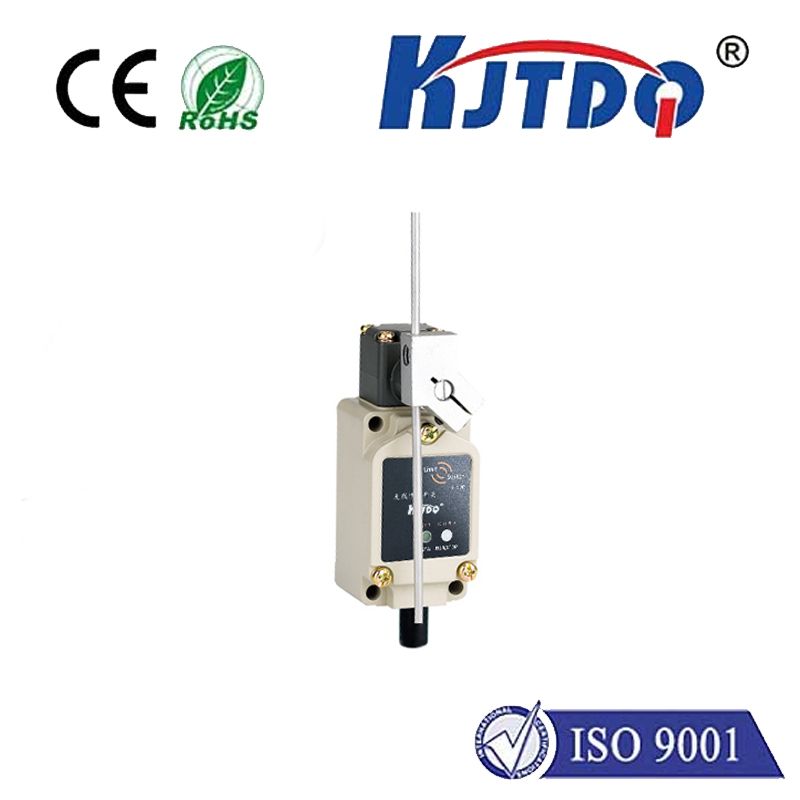
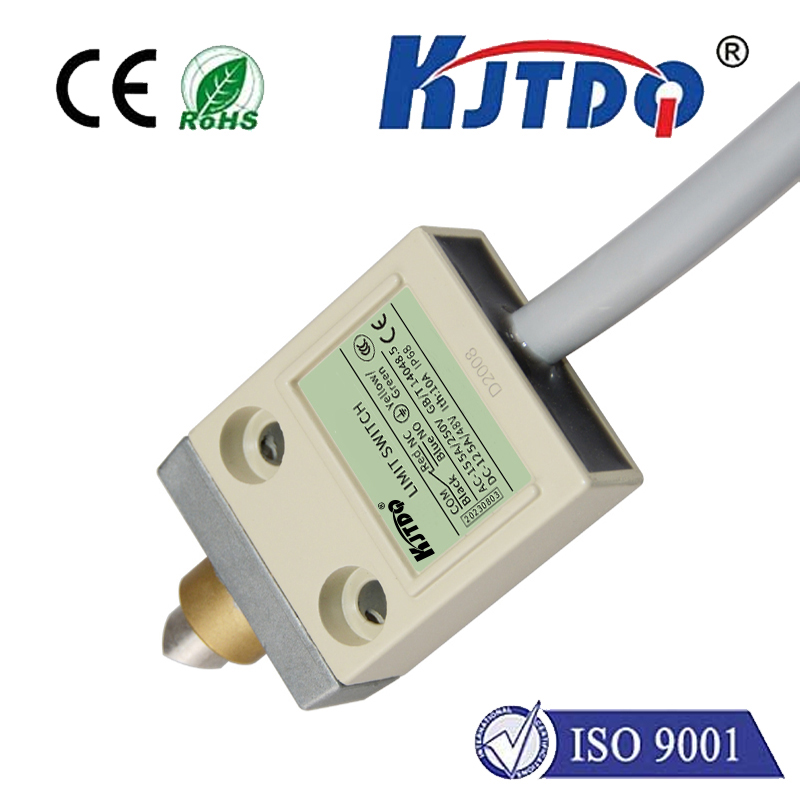
Safety remains a non-negotiable aspect of crane operations. Switch cranes are built with multiple safety redundancies. Overload protection devices prevent the crane from lifting beyond its rated capacity, while limit switches ensure the trolley or bridge does not travel beyond its designated path. Emergency stop functions, fail-safe brakes, and clearly marked operational zones are standard. Regular inspection and maintenance, as mandated by industry standards like OSHA or ISO, are vital to ensure all mechanical and electrical components function correctly. Operator training is another cornerstone of safety, ensuring that personnel are proficient in both routine operations and emergency procedures.
The return on investment for a switch crane is significant, though it extends beyond mere purchase price. The initial capital outlay is offset by long-term gains in operational efficiency, reduced labor costs, and minimized product damage. By accelerating material flow, these cranes help companies meet tighter production deadlines and respond more swiftly to market demands. Furthermore, their durability and low maintenance design, when sourced from reputable manufacturers, ensure a long service life, making them a sustainable asset. Energy-efficient models also contribute to lower operational costs and a reduced carbon footprint, aligning with modern corporate sustainability goals.
Selecting the right switch crane requires a thorough analysis of specific operational needs. Factors such as the facility's layout, the nature and weight of materials handled, required speed cycles, and future expansion plans must all be considered. Consulting with experienced engineers and crane specialists can help in specifying the optimal configuration—whether it's a top-running double girder design for heavy-duty applications or a more compact single girder system for lighter loads. Partnering with a manufacturer known for quality, reliability, and strong after-sales support is crucial for ensuring seamless integration and long-term performance.
In conclusion, the switch crane is more than just a piece of lifting equipment; it is a strategic enabler of industrial efficiency and safety. Its intelligent design and evolving technological integrations make it a cornerstone of modern material handling. For businesses aiming to optimize their logistics, enhance workplace safety, and maintain a competitive edge, investing in a well-suited switch crane system is a decisive step toward achieving those objectives. As industries continue to evolve towards greater automation and connectivity, the role of the versatile and reliable switch crane will only become more pronounced.