check

check

check

check

check

check
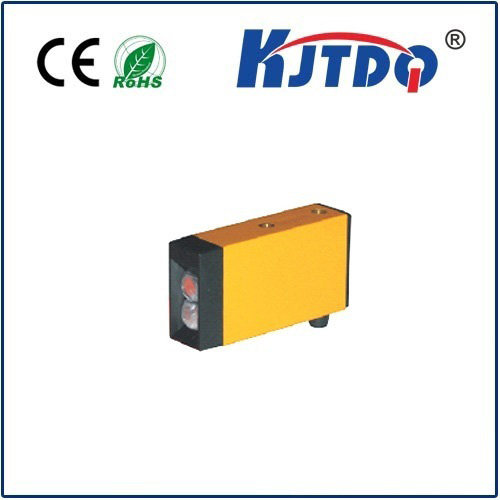
In the realm of industrial automation, precision and safety are paramount. The horizontal limit switch, a fundamental component in control systems, plays a critical role in achieving these objectives. This device is designed to detect the presence or position of an object along a horizontal plane, triggering actions that prevent overtravel, ensure accurate positioning, and safeguard machinery from potential damage. Unlike vertical limit switches, which operate in a different axis, horizontal variants are specifically engineered for applications where lateral movement monitoring is essential.
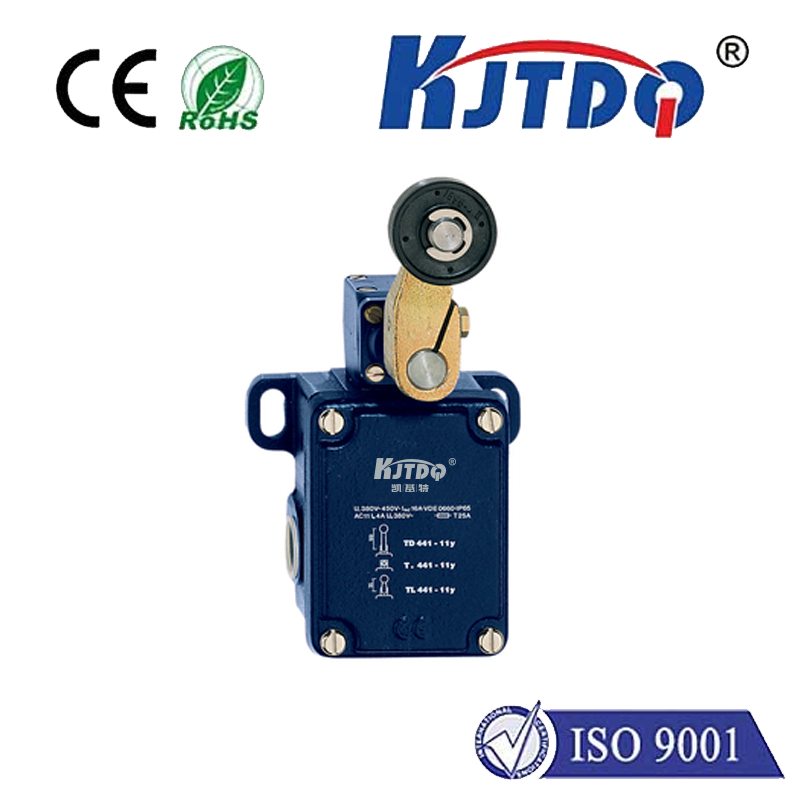
The operational principle of a horizontal limit switch is straightforward yet highly effective. Typically, it consists of an actuator—often a lever, roller, or plunger—that makes physical contact with a moving part, such as a conveyor belt, sliding door, or robotic arm. When the actuator is displaced to a predetermined point, it activates an internal electrical switch, sending a signal to the control system to stop, start, or change the direction of the motion. This mechanism is vital in processes requiring repeatable accuracy, such as in packaging lines, material handling systems, and assembly operations. Modern horizontal limit switches are built to withstand harsh industrial environments, featuring robust enclosures that offer resistance to dust, moisture, vibrations, and extreme temperatures. Materials like stainless steel or reinforced plastics are commonly used to enhance durability and longevity.
One of the key advantages of integrating a horizontal limit switch into automation setups is its contribution to operational safety. By defining physical boundaries for machinery movement, it helps prevent collisions, jams, and unintended operations that could lead to equipment failure or workplace accidents. For instance, in automated storage and retrieval systems, these switches ensure that retrieval arms halt precisely at designated storage bins, minimizing the risk of misalignment or overextension. Similarly, in manufacturing plants, they control the travel of overhead cranes, ensuring loads are positioned correctly without exceeding safe limits. This not only protects assets but also enhances worker safety by reducing the likelihood of mechanical hazards.
Moreover, horizontal limit switches support efficiency by enabling seamless automation cycles. In conveyor systems, they can detect when a product reaches a specific point, triggering subsequent actions like sorting, labeling, or diverting items to different lanes. This eliminates manual intervention, speeds up production rates, and reduces human error. Their simplicity in design translates to ease of installation and maintenance, making them a cost-effective solution for both small-scale and large-scale industrial applications. Many models come with adjustable settings, allowing operators to fine-tune activation points without requiring complex recalibrations.
In industries such as automotive, food processing, and logistics, the reliability of horizontal limit switches is indispensable. For example, in automotive assembly lines, they ensure that robotic welders operate within precise coordinates, maintaining consistent quality in vehicle frames. In food processing, where hygiene is crucial, washdown-rated horizontal limit switches prevent contamination by enduring frequent cleaning cycles without performance degradation. The versatility of these devices extends to renewable energy sectors too, such as in solar tracking systems, where they help adjust panel angles horizontally to optimize sunlight capture throughout the day.
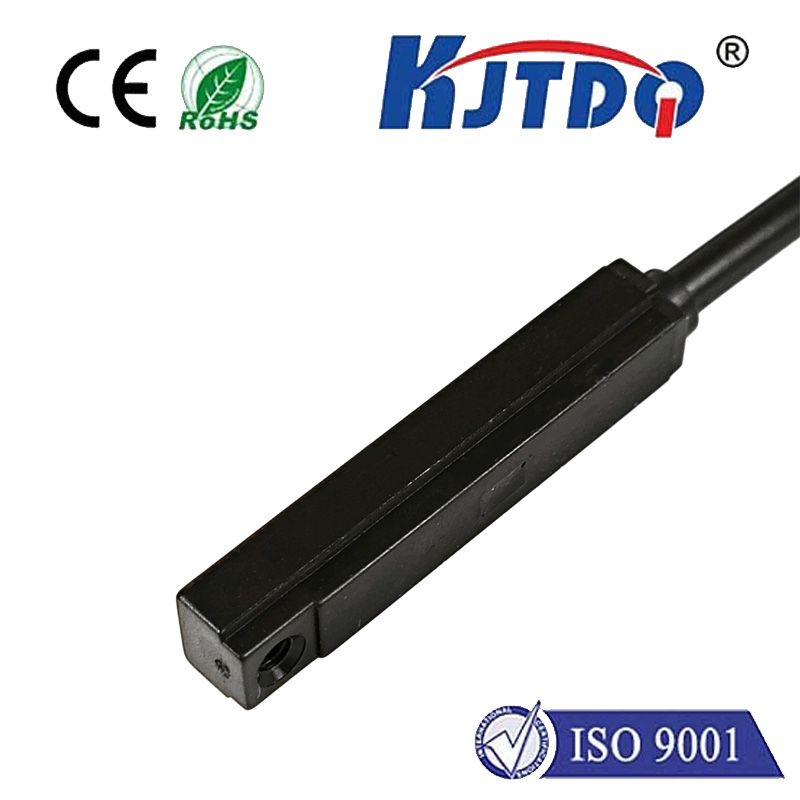
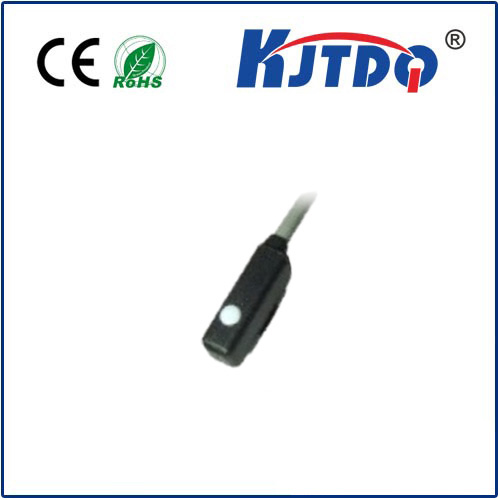
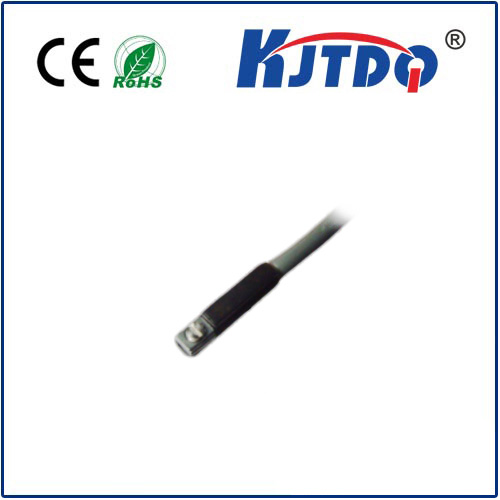
When selecting a horizontal limit switch, factors like actuation force, switching capacity, and environmental ratings must be considered to match specific application needs. Advances in technology have also led to the development of non-contact variants, such as inductive or magnetic sensors, which offer similar functions without physical wear, though traditional mechanical switches remain popular due to their tactile feedback and simplicity. Regular inspection and testing are recommended to ensure continued reliability, as wear on actuators or contacts can affect performance over time.
Ultimately, the horizontal limit switch stands as a testament to how simple mechanical innovations can drive complex automation successes. By providing dependable position control, it fosters safer, more efficient, and more productive industrial environments. As automation continues to evolve, the integration of smart features—like connectivity for predictive maintenance—may further enhance its capabilities, but its core purpose of ensuring precise horizontal limits will remain integral to operational integrity.