check

check

check

check

check

check
In industrial automation and machinery, precision and reliability are non-negotiable. Among the myriad of components that ensure seamless operation, the latching limit switch stands out as a critical device for accurate position detection and control. Unlike standard limit switches that change state only when actuated and return to their default position when the actuator is removed, a latching limit switch maintains its switched state until a specific reset action is performed. This unique characteristic makes it indispensable in applications where maintaining a signal or state is essential, even after the initiating force is gone.
The fundamental principle behind a latching limit switch involves a mechanical or magnetic mechanism that "latches" into position. When the switch actuator is triggered—often by a moving part like a door, gate, or machine component—it changes its electrical contacts from one state to another (e.g., from open to closed). This new state is then locked in place. To revert to the original state, a separate, deliberate action, such as pressing a reset button, applying a reverse force, or sending an electrical pulse, is required. This latching action provides a form of memory, ensuring that the system recognizes and retains the occurrence of an event. This is particularly valuable in safety circuits, process sequencing, and situations where power loss should not alter the switch's status.
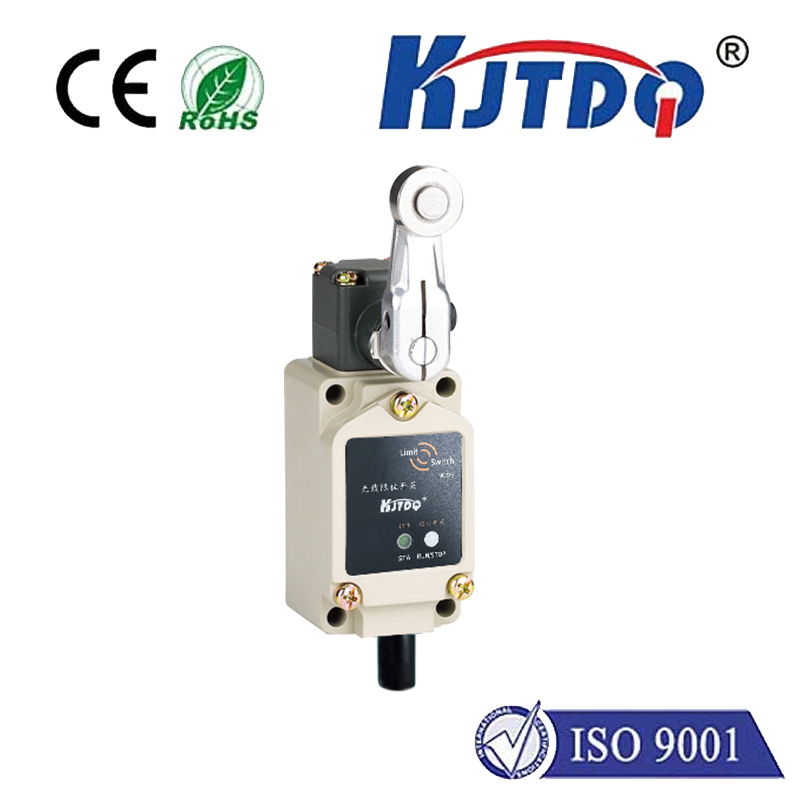
Various types of latching limit switches are available to suit different industrial environments. Mechanically latched switches often use a spring-loaded toggle or a rotary cam mechanism that physically holds the contacts in position. Magnetically latched switches, on the other hand, utilize a permanent magnet or an electromagnet to maintain the state, offering the advantage of being wear-free in the latching mechanism itself. These switches are commonly housed in robust enclosures rated for IP67 or higher, protecting them from dust, moisture, oils, and mechanical impacts prevalent in factories, warehouses, and outdoor installations.
The applications for latching limit switches are extensive and vital. In material handling systems, they are used to confirm the fully open or closed position of automatic doors and loading bay gates, ensuring safety before conveyor operation resumes. In packaging machinery, they can latch to indicate that a product is correctly positioned for sealing or wrapping, preventing cycle advancement until the condition is met. Within safety interlocks on heavy machinery or electrical cabinets, a latched switch can signal that a guard door has been opened, locking the system in a safe shutdown mode until an operator manually resets it, thereby preventing accidental restart. They also play a crucial role in renewable energy systems, such as wind turbines, where they monitor the pitch of blades and latch in position to signal maintenance requirements or fault conditions.
Selecting the right latching limit switch requires careful consideration of several factors. The electrical load (current and voltage rating of the contacts), the required switching logic (normally open, normally closed, or changeover), and the mechanical life expectancy (number of operations) are primary specifications. The actuation method—whether by lever arm, roller plunger, or rod—must match the motion of the target machine part. Environmental conditions dictate the needed ingress protection (IP) rating and the housing material, such as stainless steel for corrosive areas or engineered plastics for lighter duty. Furthermore, compliance with international standards like IEC 60947-5-1 or UL 508 ensures reliability and safety for global markets.
Installation and maintenance are straightforward but crucial for long-term performance. Proper alignment of the actuator with the moving target is essential to avoid false triggering or physical damage. Regular inspection for wear on mechanical parts, cleanliness of the actuator, and secure mounting hardware can prevent unexpected downtime. The latching reset function should be easily accessible for operators but positioned to prevent inadvertent resets that could compromise safety or process integrity.
In conclusion, the latching limit switch is more than just a sensor; it is a decision-making component that adds a layer of logic and memory to mechanical systems. Its ability to maintain state provides enhanced safety, ensures process accuracy, and contributes to overall system reliability. For engineers and system integrators, understanding and effectively implementing these switches is key to designing robust, fail-safe automation solutions that stand the test of time in demanding industrial landscapes.