check

check

check

check

check

check
In the intricate world of industrial automation and machinery, precision, reliability, and safety are non-negotiable. Among the myriad of components that ensure these standards are met, NHP limit switches stand out as fundamental devices. These electromechanical tools are critical for controlling the movement of machinery, defining operational boundaries, and preventing hazardous situations. This article delves into the functionality, applications, and key considerations surrounding NHP limit switches, highlighting their indispensable role in modern industrial settings.
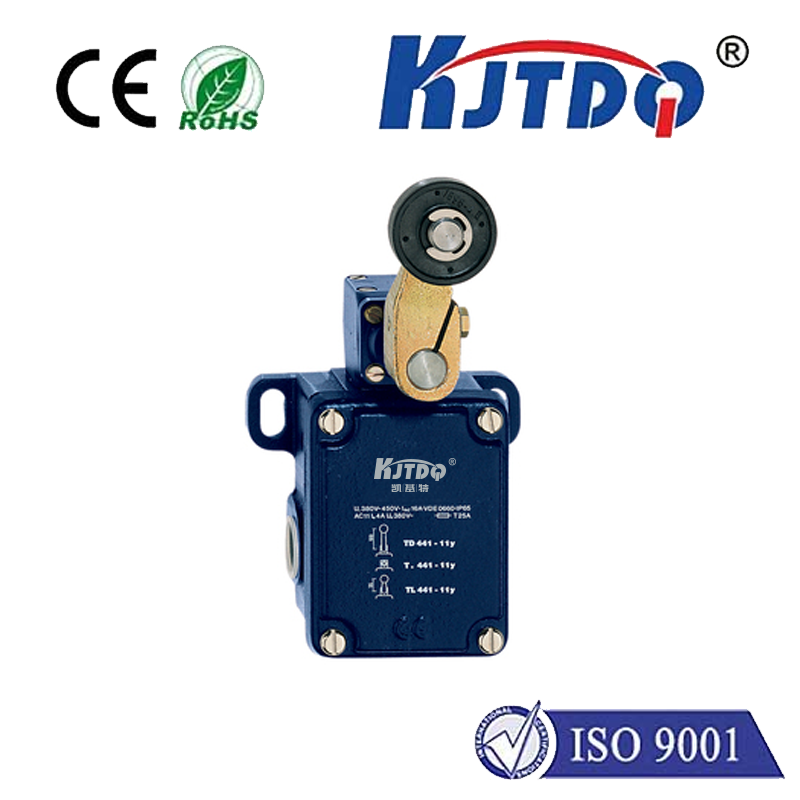
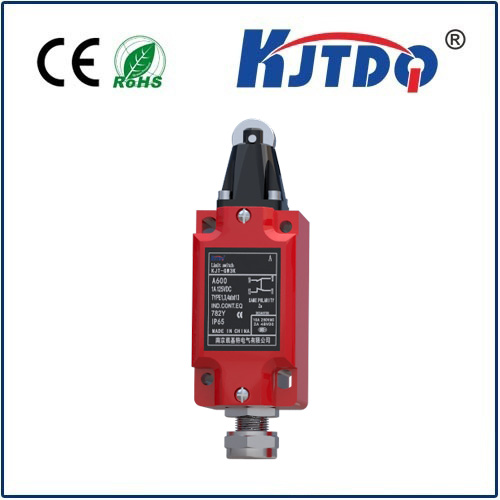
At its core, a limit switch is a sensor that detects the presence or absence of an object, or monitors the position of a machine part, and converts this physical interaction into an electrical signal. NHP, a renowned manufacturer in the electrical engineering sector, produces a range of these switches known for their robust construction and consistent performance. The primary mechanism involves an actuator—such as a lever, roller, or plunger—that is physically triggered when a moving part makes contact. This actuation changes the state of the electrical contacts within the switch, either opening or closing a circuit. This simple yet effective action can start, stop, or alter a machine's sequence, making it a cornerstone of automated control systems.
The applications of NHP limit switches are vast and varied. In manufacturing assembly lines, they are used to confirm the position of components, ensuring robotic arms or conveyors operate within predefined limits. Within material handling systems, such as cranes and elevators, these switches act as end-of-travel sensors, preventing overtravel that could lead to equipment damage or catastrophic failure. They are equally vital in packaging machinery, where they control the filling, sealing, and cutting processes with exact timing. Furthermore, in safety-critical environments, NHP limit switches serve as interlock devices on guards and doors, ensuring machinery cannot operate unless protective barriers are securely in place, thereby safeguarding personnel.
Selecting the appropriate NHP limit switch requires careful evaluation of several factors. The operating environment is paramount; switches may need to withstand extreme temperatures, moisture, dust, corrosive chemicals, or heavy vibrations. NHP offers models with varying ingress protection (IP) ratings and housing materials, such as metal or high-grade plastics, to suit these conditions. The type of actuator is another crucial choice, determined by the nature of the target object and the required force for actuation. Roller lever switches, for instance, are ideal for applications involving cam-driven movements, while plunger types suit direct, linear actions. Electrical specifications, including voltage, current rating (both AC and DC), and the contact configuration (normally open or normally closed), must align with the control circuit's requirements to ensure compatibility and longevity.
Installation and maintenance practices significantly influence the reliability and lifespan of NHP limit switches. Proper mounting is essential to ensure accurate and repeatable actuation. The switch must be securely fixed, and the actuator aligned correctly with the moving part to avoid false triggers or missed signals. Regular inspection is recommended to check for physical wear on the actuator mechanism, loose connections, and any buildup of contaminants that could impede operation. While these switches are designed for durability, proactive maintenance helps prevent unplanned downtime and maintains optimal safety performance.
The evolution of industrial technology continues to shape the development of components like limit switches. While advanced proximity sensors and photoelectric devices offer contactless detection, the tangible, physical feedback of an electromechanical limit switch like those from NHP remains irreplaceable in many scenarios. Their straightforward design translates to ease of understanding, troubleshooting, and integration into existing control panels and PLC (Programmable Logic Controller) systems. This blend of mechanical simplicity and electrical reliability ensures their continued relevance in an increasingly digital landscape.
In conclusion, NHP limit switches are more than just simple on/off devices; they are vital sentinels in the industrial ecosystem. By providing definitive positional control and enabling critical safety interlocks, they contribute directly to operational efficiency, equipment protection, and most importantly, workplace safety. Understanding their operation, selecting the right model for the application, and committing to proper maintenance are key steps in leveraging their full potential. For engineers and maintenance professionals, these components represent a trusted and essential element in building resilient and safe automated systems.