check

check

check

check

check

check
In the realm of industrial automation and machinery, precision and reliability are non-negotiable. Among the myriad components that ensure seamless operation, the humble limit switch plays a pivotal role. Specifically, the 3-pin limit switch is a fundamental building block in countless control systems. This configuration, often seen as standard, provides a robust interface for detecting the presence or absence, position, or end-of-travel of an object. Its design is deceptively simple, yet its impact on system safety and efficiency is profound.
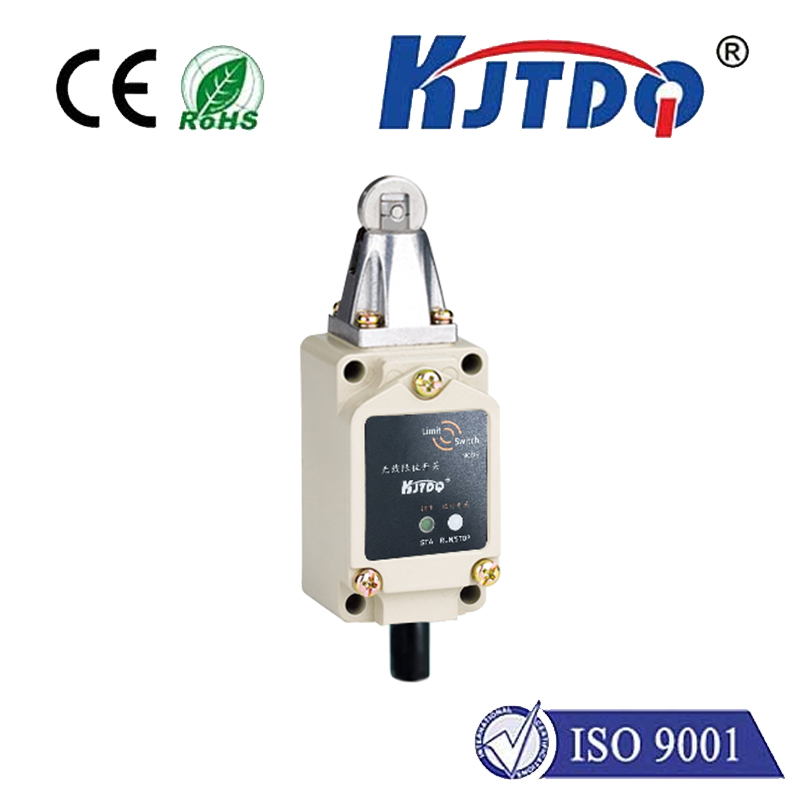
A typical 3-pin limit switch consists of three primary electrical terminals. These are commonly identified as the Common (C), Normally Open (NO), and Normally Closed (NC) contacts. This trio forms the core of its switching logic. The Common pin serves as the central connection point. In its resting state—when the switch actuator (like a lever, roller, or plunger) is not depressed—the circuit between the Common and the Normally Closed pin is complete, allowing current to flow. Conversely, the circuit between the Common and the Normally Open pin is broken. When an external force activates the switch, this state reverses instantly: the C-NC circuit opens, and the C-NO circuit closes. This clear, binary action provides a definitive signal to programmable logic controllers (PLCs), relays, or other control units, telling them a specific mechanical condition has been met.
The advantages of this 3-pin setup are multifaceted. First, it offers wiring flexibility. System designers can choose to use either the NO or NC contact based on the safety and logic requirements of the application. For instance, a safety interlock might use the NC circuit in its default closed state; if the switch fails or the wire is cut, the circuit opens, triggering a safe shutdown—a principle known as "fail-safe" design. Second, the physical robustness of these switches is notable. Engineered for harsh environments, they often feature sealed housings to resist dust, moisture, and oil, ensuring consistent performance on factory floors. Their mechanical construction allows them to handle high electrical loads directly or interface with low-voltage control circuits.
Common applications for 3-pin limit switches are extensive. They are the silent sentinels on assembly lines, confirming that a robotic arm has retracted to its home position. In packaging machinery, they detect when a product is correctly placed before sealing. On garage doors, they prevent the door from over-traveling and damaging itself by signaling the motor to stop at the precise upper and lower limits. In CNC machines, they define the boundaries of tool movement, protecting both the tool and the workpiece. The reliability of the 3-pin electrical interface makes it a universal language in automation.
Selecting the right 3-pin limit switch involves considering several factors beyond just the pin configuration. The actuator type is crucial—should it be a roller lever for side-to-side motion, a plunger for direct linear action, or a whisker for detecting fragile objects? The electrical rating (voltage and current) must match the control circuit's demands. Environmental protection, denoted by IP (Ingress Protection) ratings, is vital for longevity in dirty or wet conditions. Finally, mechanical life expectancy, often rated in millions of operations, dictates the switch's suitability for high-cycle duties.
Installation and maintenance are straightforward but require attention to detail. Proper alignment of the actuator with the target machine part is essential to ensure consistent triggering and prevent premature wear. Regular inspection for physical damage, loose connections, and contamination buildup helps avoid unexpected downtime. The simplicity of the 3-pin terminal block also facilitates easy testing with a multimeter to verify switching action.
In conclusion, the limit switch with a 3-pin configuration remains an indispensable component in automation. Its elegant simplicity—providing two distinct electrical states from one common point—delivers the reliable, unambiguous signals that control systems depend on. From ensuring operational sequences proceed correctly to guarding against mechanical overruns, this device is a cornerstone of modern industrial control. Understanding its function, advantages, and proper application is key for engineers and technicians aiming to build and maintain efficient, safe, and dependable automated systems.