check

check

check

check

check

check
In the demanding world of industrial automation, control system reliability isn't just a preference—it's an absolute necessity. Downtime can translate to catastrophic losses in productivity, revenue, and safety. This is where the precision and durability of Westlock switches become a cornerstone for engineers and plant managers worldwide. For decades, Westlock has established itself as a trusted name, providing robust solutions that stand up to the harshest environments, from oil and gas refineries to chemical processing plants and power generation facilities.
What truly sets Westlock switches apart is their unwavering commitment to safety and performance. These are not mere components; they are engineered safeguards. Designed to monitor critical parameters like pressure, temperature, and level, Westlock switches act as the first line of defense. They provide essential inputs to safety instrumented systems (SIS) and process control loops, ensuring operations remain within safe limits. When a preset threshold is reached, the switch activates, sending a signal to initiate a shutdown, trigger an alarm, or start a backup system, thereby preventing equipment damage and protecting personnel.
The core strength of Westlock products lies in their mechanical simplicity and rugged construction. Unlike more complex electronic sensors, many Westlock switches utilize proven mechanical principles—such as bourdon tubes, diaphragms, or bellows—to detect process changes. This design philosophy minimizes points of failure and enhances longevity. Housed in robust, often explosion-proof or weather-resistant enclosures, these switches are built to endure extreme temperatures, corrosive atmospheres, high vibration, and significant pressure spikes. This inherent durability translates directly into reduced maintenance cycles and a lower total cost of ownership over the asset's lifespan.
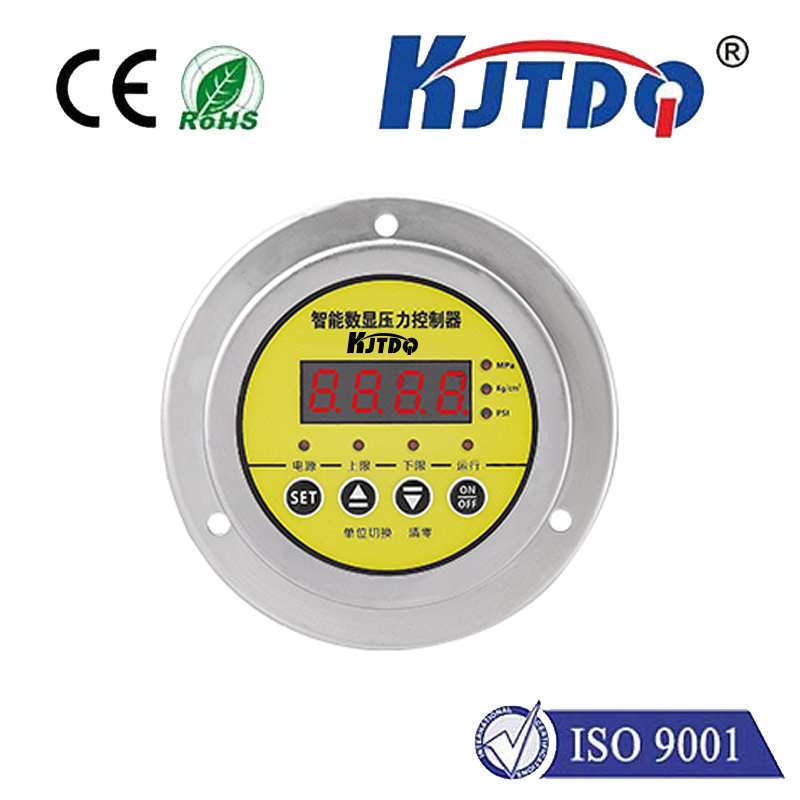
A key application area showcasing the critical role of Westlock switches is in pressure and temperature monitoring. For instance, a Westlock pressure switch on a compressor discharge line continuously monitors output pressure. If the pressure rises to a dangerous level, indicating a potential blockage or system failure, the switch will immediately trip. This action can isolate the compressor, preventing a rupture or catastrophic mechanical failure. Similarly, temperature switches safeguard reactors and heat exchangers, ensuring processes do not exceed material or safety limits.
Selecting the right Westlock switch requires careful consideration of several operational factors. Engineers must evaluate the specific process media (whether it's steam, corrosive chemicals, or clean air), the required set point and deadband, the electrical load requirements for the switch contacts, and the necessary safety certifications for the operating environment (such as ATEX, IECEx, or SIL ratings). Proper installation and calibration are equally crucial; a switch must be mounted correctly and tuned to the precise activation point to function as intended. Regular functional testing, as part of a plant's preventative maintenance schedule, ensures these critical devices remain in a state of readiness.
Beyond the traditional mechanical switches, Westlock has evolved its portfolio to meet modern digital integration needs. Today's offerings include smart switches with diagnostic capabilities and electronic versions that can provide analog output signals alongside the traditional discrete switch signal. This evolution allows for better data collection and integration into plant-wide distributed control systems (DCS), offering insights into process trends and switch health, facilitating predictive maintenance strategies.
In conclusion, in an industry where failure is not an option, the reliability of every component is paramount. Westlock switches represent more than just hardware; they embody a principle of safety-through-simplicity. Their proven track record in critical applications across the globe is a testament to their design and manufacturing excellence. For professionals tasked with designing, maintaining, or upgrading industrial control systems, specifying Westlock switches is a decision that prioritizes operational integrity, personnel safety, and long-term asset protection. Choosing a Westlock switch is ultimately an investment in peace of mind, knowing that your process has a dependable guardian monitoring its vital signs.