check

check

check

check

check

check
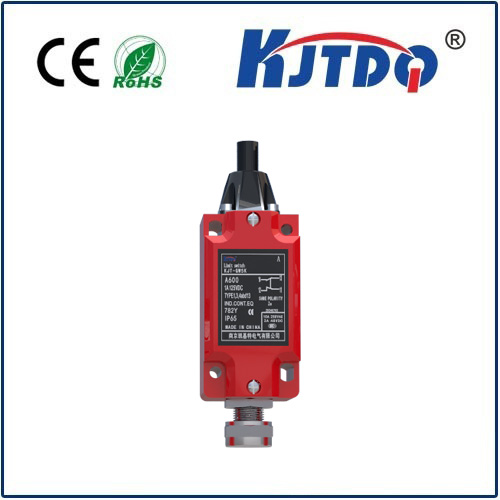
In the world of material handling and industrial lifting, precision and safety are non-negotiable. At the heart of many crane and hoist systems lies a critical, yet often overlooked component: the hoist limit switch. This device acts as a silent guardian, preventing catastrophic over-travel and ensuring the smooth, reliable operation of lifting equipment. Its primary function is to automatically cut power to the hoist motor when the hook block or load approaches its upper or lower safe travel limits. This simple action is fundamental to protecting both personnel and valuable assets from the dangers of collisions, overloading, and mechanical failure.
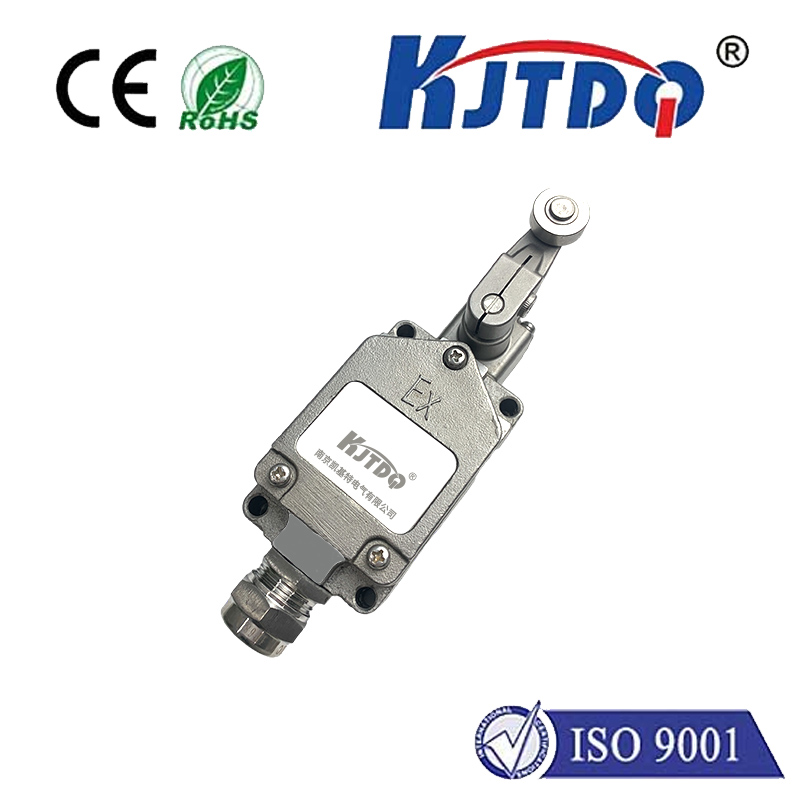
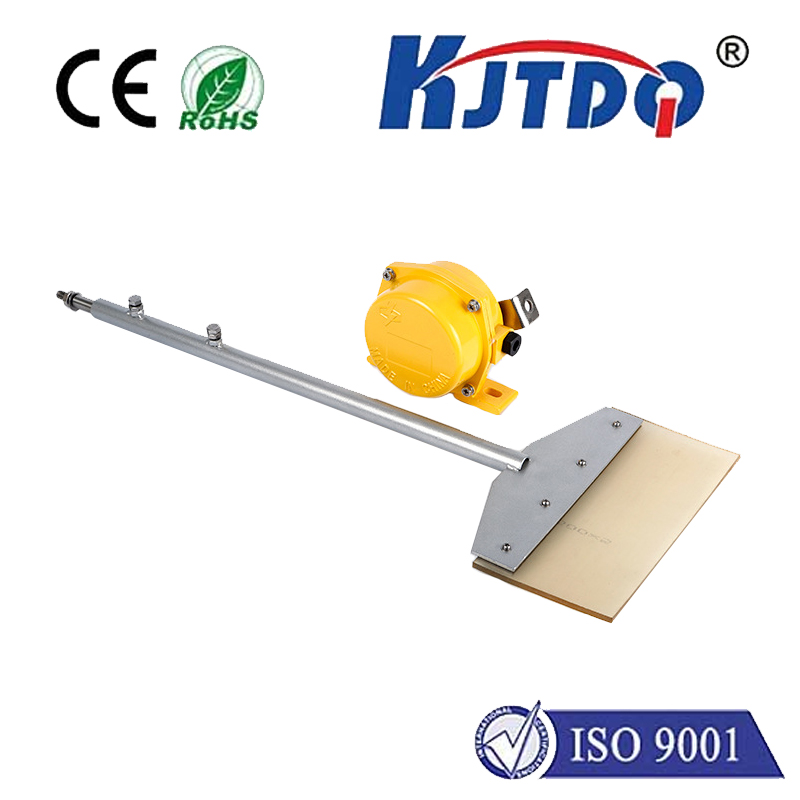
Understanding how a hoist limit switch operates reveals its importance. Typically, it consists of an actuator—often a lever, cam, or rotary mechanism—connected to the hoist's drum or lifting chain. As the drum rotates during lifting or lowering, the actuator moves accordingly. When the hook reaches a pre-set position, the actuator triggers the switch, which interrupts the control circuit. This immediate cessation of power prevents the load from being raised too high, which could damage the hoist structure or cause the cable to snap, or lowered too far, potentially causing the load to crash into the ground or other obstructions. Modern systems often employ a two-stage approach: a first "slow-down" limit switch that reduces speed, followed by a final "cut-off" limit switch that stops motion entirely, allowing for smoother operation.
The benefits of a properly maintained hoist limit switch extend far beyond basic safety. Firstly, it significantly reduces downtime and maintenance costs. By preventing mechanical stress from over-travel, it minimizes wear and tear on gears, brakes, motors, and wire ropes, extending the overall lifespan of the equipment. Secondly, it enhances operational efficiency. Operators can work with greater confidence and speed, knowing the system has built-in safeguards. This leads to improved productivity in warehouses, manufacturing plants, construction sites, and shipping ports. Furthermore, compliance with stringent international safety standards, such as OSHA in the United States or similar regulations worldwide, is impossible without a functional limit switch. Regular inspection and testing of this device are mandatory parts of most safety protocols.
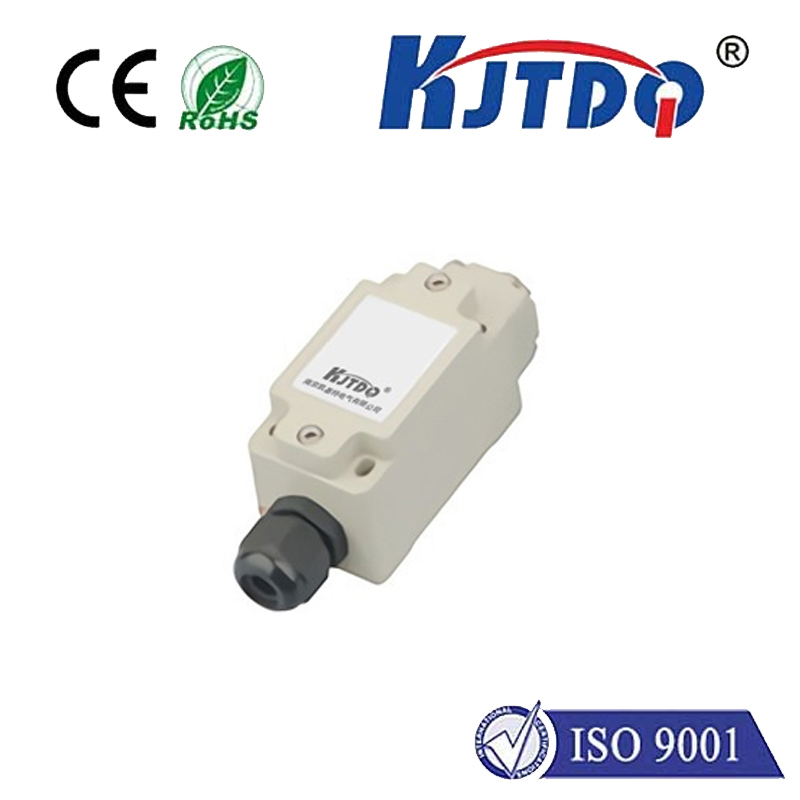
Several types of hoist limit switches are available, each suited to different applications. Mechanical lever-arm switches are common and robust for general-duty cranes. Rotary cam limit switches offer high precision and are ideal for applications requiring multiple set points. For harsh environments with dust, moisture, or explosive atmospheres, hermetically sealed or explosion-proof switches are essential. Increasingly, advanced electronic and programmable limit switches are being integrated, offering features like digital readouts, remote monitoring, and easier adjustment of limit positions without physical access to the switch itself.
However, the presence of a limit switch is not a substitute for vigilant operation and regular maintenance. Like any mechanical component, these switches can fail due to factors like contamination, worn contacts, misalignment, or physical damage. A failed limit switch creates a major safety hazard. Therefore, a comprehensive preventive maintenance schedule is crucial. This includes visual inspections for damage, operational tests to verify the cut-off point is accurate, and cleaning to remove grease and debris that could impede the actuator's movement. Any signs of malfunction should prompt immediate repair or replacement by qualified personnel.
In conclusion, the hoist limit switch is a fundamental pillar of safe and efficient lifting operations. It is a simple device with a profound responsibility. Investing in high-quality limit switches, ensuring their correct installation, and committing to a rigorous maintenance routine are not just regulatory obligations—they are smart business practices that protect lives, safeguard equipment, and ensure continuous, productive workflow. Whether for a small workshop hoist or a massive gantry crane, this unassuming switch plays an indispensable role in keeping operations moving upward, safely and reliably.