check

check

check

check

check

check
In the bustling environment of industrial facilities, from steel plants to shipping ports, Electric Overhead Traveling (EOT) cranes are indispensable workhorses. These powerful machines handle heavy loads with precision, moving materials across vast workspaces. At the heart of their safe and reliable operation lies a seemingly simple yet utterly critical component: the limit switch. Often overlooked, the limit switch in an EOT crane acts as an unsung guardian, preventing catastrophic failures and ensuring seamless workflow. This article delves into the function, types, and paramount importance of these devices.
A limit switch is an electromechanical device designed to detect the presence or absence of an object, or to monitor and restrict the movement of a machine to a predefined safe range. In the context of an EOT crane, limit switches are strategically installed to create virtual boundaries for the crane's three primary motions: the hoisting (up/down) movement of the hook, the cross travel (left/right) of the crab or trolley, and the long travel (forward/backward) of the entire bridge along the runway girders. Their core function is to automatically cut off power to the drive motor when the crane's moving part reaches its permissible extreme position, thereby preventing over-travel.
The consequences of a malfunctioning or absent limit switch can be severe. Without a hoist upper limit switch, the hook block could be raised into the bridge structure, causing mechanical damage, wire rope breakage, or even the load dropping. Similarly, the failure of a travel limit switch could lead to the crane colliding with the end stops or buffer at high speed, resulting in structural damage, derailment, and posing an extreme danger to personnel and infrastructure below. These switches are not merely convenience features; they are fundamental safety interlocks mandated by industrial safety standards worldwide, such as OSHA and ISO regulations.
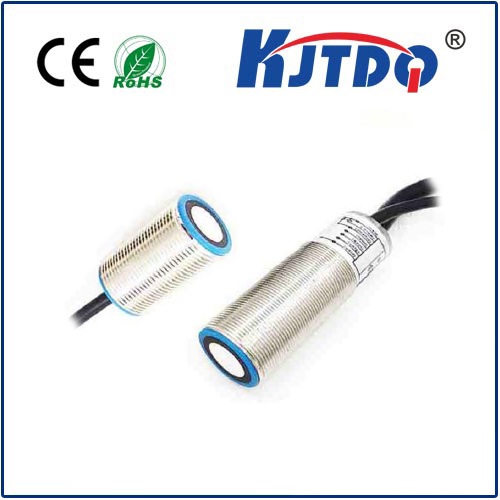
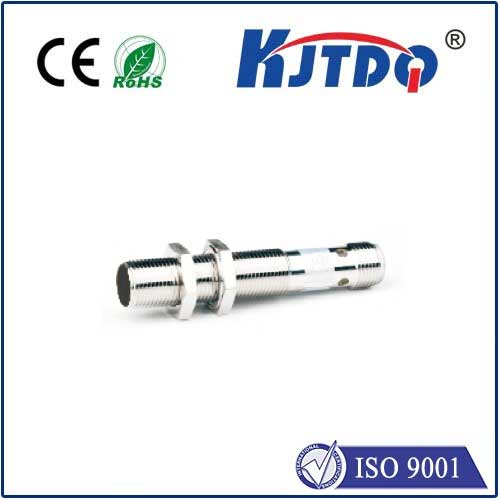
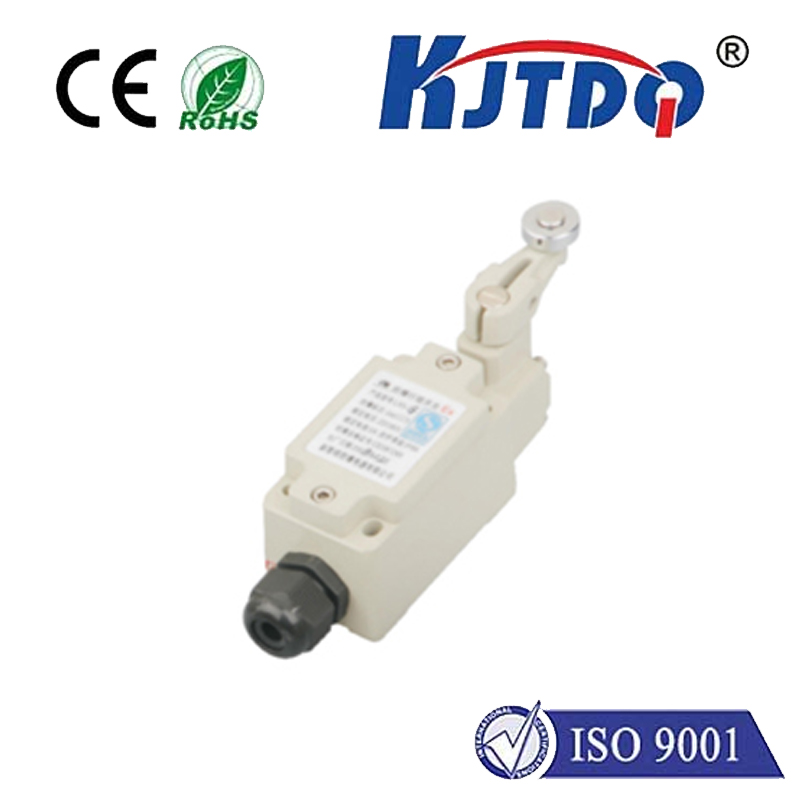
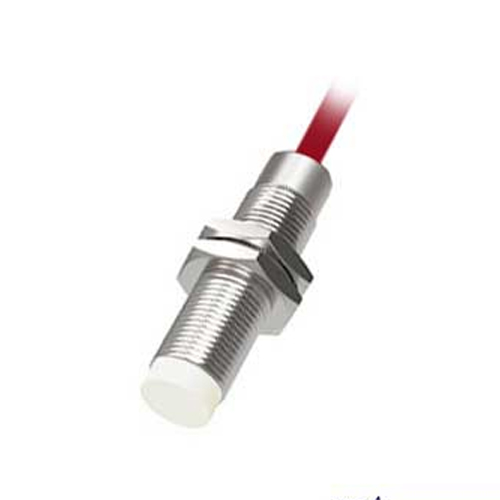
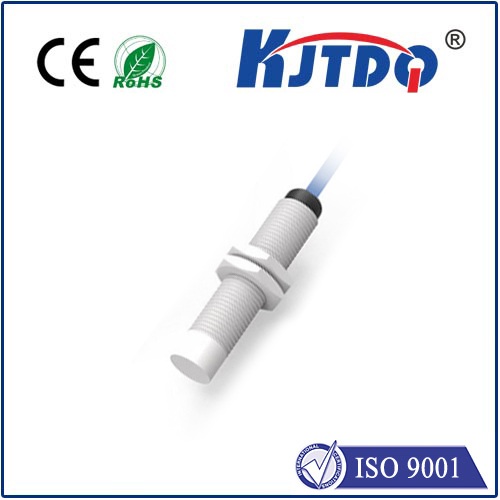
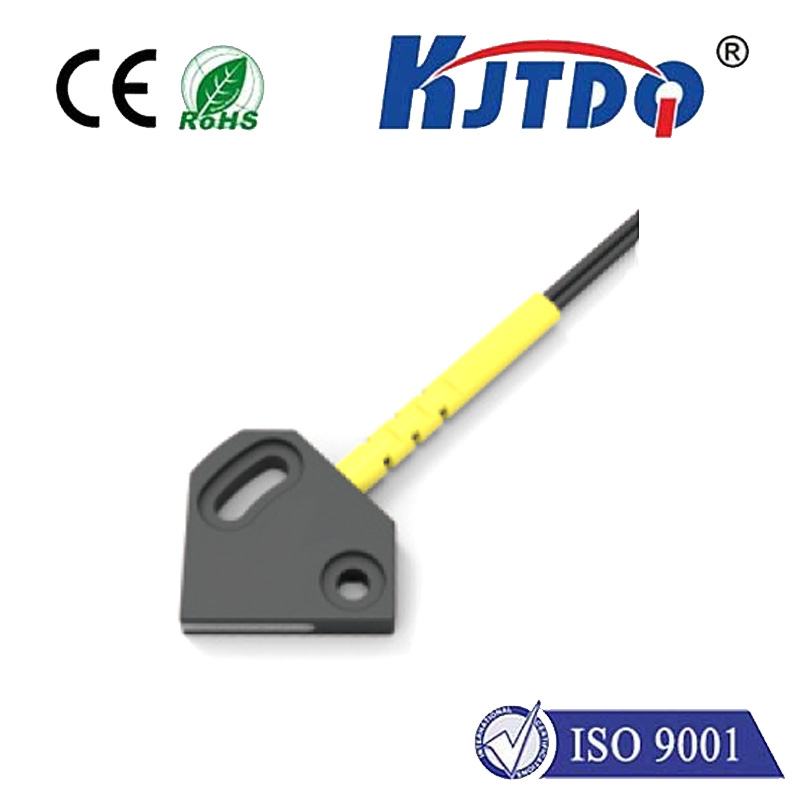
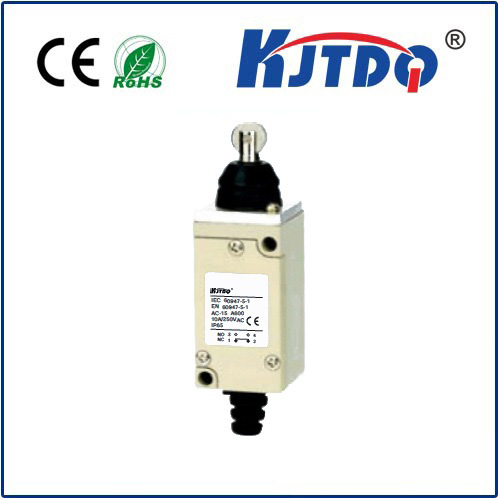
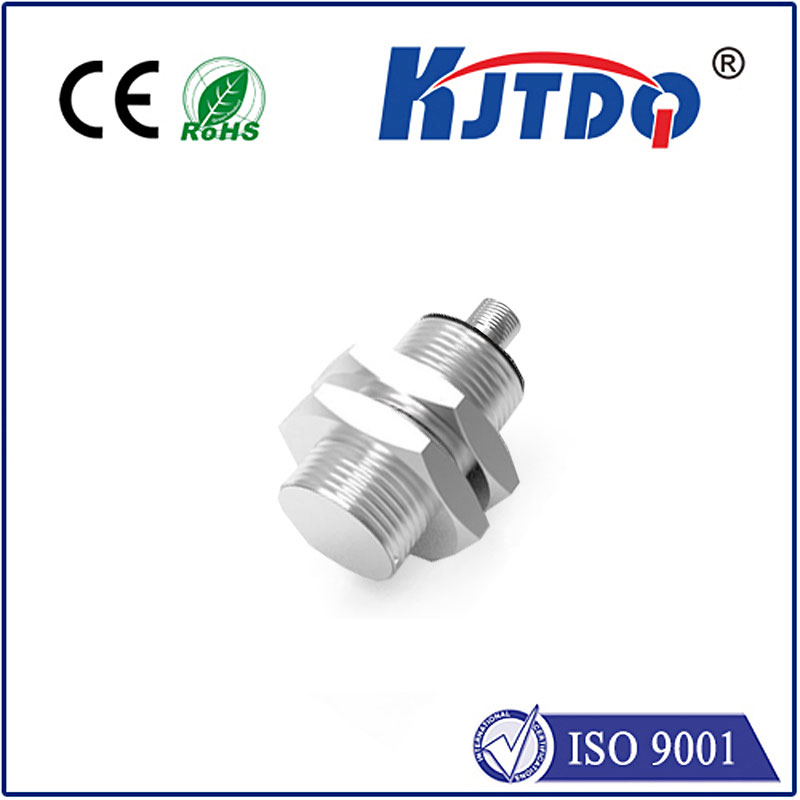
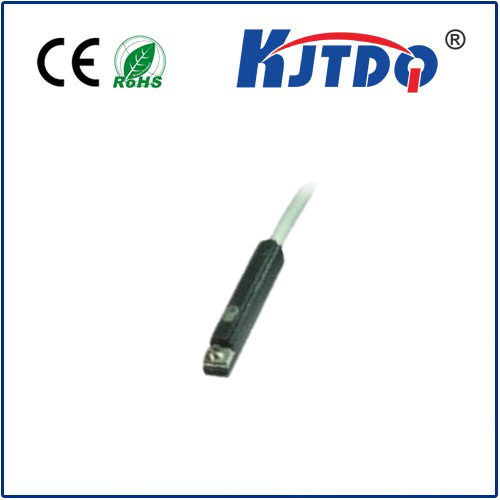
Several types of limit switches are employed in EOT cranes, each suited to specific applications. The most common are mechanical lever-arm switches, where physical contact with a dog or cam on the moving part actuates the switch. Rotary cam limit switches are often used for hoisting limits, where rotation corresponds to rope drum turns. Increasingly, modern cranes are integrating non-contact sensors like proximity switches (inductive or capacitive) and magnetic reed switches. These offer advantages like no physical wear from contact, higher reliability in dirty environments, and often, easier adjustment. The choice depends on factors like required precision, environmental conditions (dust, moisture, temperature), and the necessary force of actuation.
Proper installation, calibration, and maintenance are non-negotiable for limit switch reliability. Switches must be positioned so they activate *before* the mechanical end stop is reached, providing a safety buffer. Regular testing is crucial—operators should perform functional checks at the start of each shift, ensuring the crane stops automatically at the limits. Maintenance schedules should include inspecting switch housings for damage, checking for loose wiring, cleaning contacts, and verifying the actuator mechanism moves freely. Ignoring these steps can lead to "nuisance tripping" or, worse, a failure to trip when needed.
Beyond basic safety, limit switches contribute significantly to operational efficiency and asset protection. By preventing jarring collisions with end stops, they reduce mechanical stress on gears, motors, and structures, extending the crane's service life and minimizing downtime for repairs. They also allow for smoother, automated cycles in repetitive material handling processes, enhancing overall productivity. In advanced systems, limit switch signals are integrated into the crane's programmable logic controller (PLC), enabling more complex control sequences and diagnostic monitoring.
In conclusion, the limit switch in an EOT crane is a quintessential example of a small component with an outsized impact. It is the primary defense against over-travel hazards, forming a critical layer in the crane's safety ecosystem. For facility managers, crane operators, and maintenance teams, a deep understanding of these devices—their operation, types, and care—is essential. Prioritizing the health of every limit switch is not just a technical requirement; it is a fundamental commitment to workplace safety, operational continuity, and the protection of valuable capital equipment. Ensuring they are always in optimal working condition is an investment that pays dividends in safety, reliability, and peace of mind.