check

check

check

check

check

check
In industrial automation and machinery control, precision and reliability are non-negotiable. Among the critical components ensuring operational safety and accuracy, the limit switch plays a pivotal role. Specifically, the Gemco rotating cam limit switch stands out as a robust solution for position sensing and motion control in demanding environments. This article delves into the functionality, applications, and key advantages of this specialized device, highlighting why it is a preferred choice for engineers and system integrators worldwide.
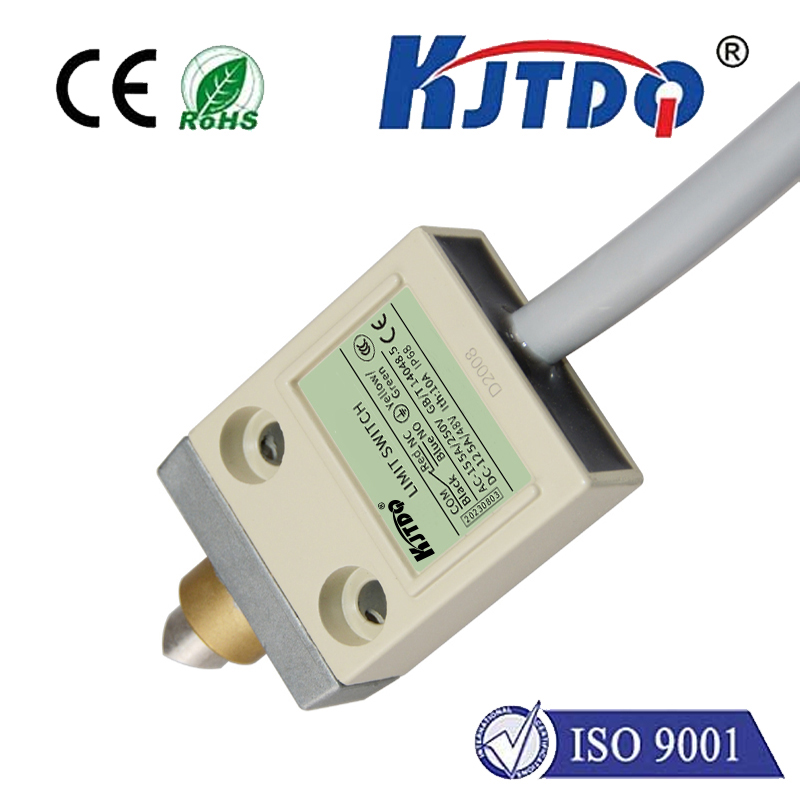
A rotating cam limit switch is essentially an electromechanical device that uses a rotating shaft coupled with one or more cams to actuate internal snap-action switches at predetermined angular positions. The Gemco variant is engineered for durability and precise repeatability. Its core mechanism involves a cam profile—mounted on a driven shaft—that rotates and physically engages with switch actuators. As the cam turns to specific set points, it triggers the switches to open or close an electrical circuit. This action sends a signal to a control system, such as a PLC (Programmable Logic Controller), indicating that a machine part has reached a limit of its travel or a specific position in its cycle. The ability to adjust the cam angles allows for customizable switching points, making it highly adaptable to various mechanical sequences.
The design of the Gemco rotating cam limit switch emphasizes resilience. Housed in a sturdy, often cast metal or high-grade industrial plastic enclosure, it is built to withstand harsh conditions including dust, moisture, vibration, and temperature fluctuations. Key internal components, such as the precision-machined cams and reliable micro-switches, ensure long service life and minimal maintenance. Many models feature sealed constructions to meet IP (Ingress Protection) ratings, safeguarding against contaminants. The rotating input shaft typically interfaces directly with a machine's moving part, such as a conveyor drive shaft, a crane travel wheel, or a valve actuator, translating mechanical rotation into precise electrical control signals.
The applications of the Gemco rotating cam limit switch are vast across multiple industries. In material handling systems, they are indispensable for controlling the travel limits of overhead cranes, hoists, and conveyor belts, preventing over-travel and potential collisions. Within the packaging industry, these switches sequence operations in filling, capping, and labeling machines, ensuring each step occurs at the exact right moment. They are also fundamental in industrial doors and gates, manufacturing assembly lines, and process control systems for valves and dampers. Any application requiring accurate positional feedback from rotating equipment can benefit from their implementation.
Choosing a Gemco rotating cam limit switch offers several distinct benefits. First is its exceptional accuracy and repeatability. Once set, the switching points remain consistent over millions of cycles, providing reliable signals for critical control functions. Second is its mechanical simplicity. Unlike some purely electronic sensors, it provides a direct, physical actuation that is less susceptible to electrical noise or interference. This makes it a robust choice in electrically noisy industrial environments. Third is versatility. With multiple cam tracks and switch units possible in a single housing, it can control several circuits from one rotational input, simplifying system design. Finally, its durability translates to reduced downtime and lower total cost of ownership, a crucial factor in continuous production settings.
When integrating a Gemco rotating cam limit switch, proper selection and installation are paramount. Factors to consider include the required number of switching operations, the rotational speed of the driving shaft, the electrical load (current and voltage) of the connected circuits, and the environmental conditions. Correct mounting alignment and secure coupling to the driven shaft are essential to prevent undue wear. Regular inspection for mechanical wear on the cams and actuators, along with verification of electrical contact integrity, will ensure ongoing optimal performance.
In conclusion, the Gemco rotating cam limit switch represents a time-tested, reliable component for industrial motion control. Its mechanical precision, environmental robustness, and application flexibility make it a cornerstone in automated systems where safety and cycle accuracy are critical. For engineers seeking a dependable solution to translate rotary motion into actionable control signals, this device offers a proven and efficient answer, contributing to enhanced productivity and machine safeguarding in countless operations globally.