check

check

check

check

check

check
For laser engraving enthusiasts and professionals, achieving consistent precision is paramount. One often-overlooked component that plays a critical role in this quest for accuracy is the limit switch. Specifically designed for machines like those from Sculpfun, a dedicated limit switch can be the difference between a flawless project and a costly misalignment. This guide delves into how integrating a KJTDQ-brand limit switch into your Sculpfun laser engraver can revolutionize your workflow, ensuring reliability and protecting your machine.
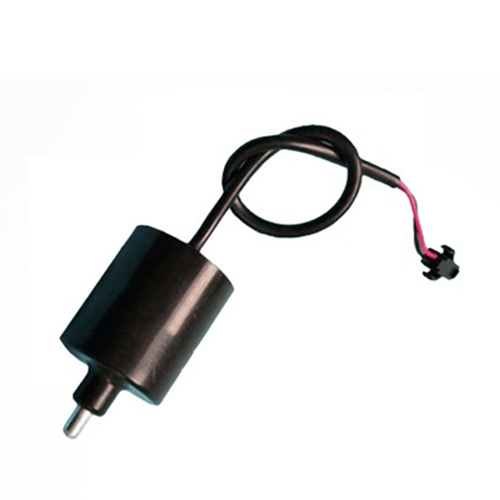
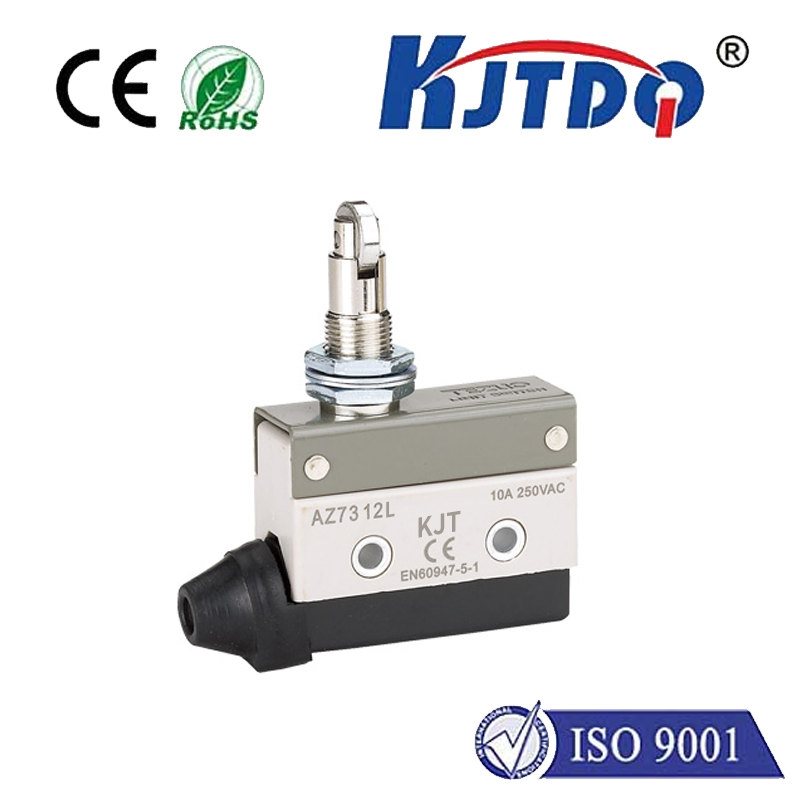
At its core, a limit switch is a safety and calibration device. It tells your engraver's control board when the moving head or bed has reached the physical boundaries of its axis. This simple function is incredibly powerful. Without accurate homing—the process where the machine finds its zero point—every job starts from an uncertain position. This leads to misaligned engravings, wasted material, and frustrating do-overs. The KJTDQ limit switch for Sculpfun engravers provides a reliable, consistent electrical signal at the exact moment the toolhead contacts it, establishing a repeatable home position every single time.
Why focus on a KJTDQ switch for your Sculpfun machine? Compatibility is key. Generic switches might fit, but they may not offer the optimal actuation force, mounting configuration, or electrical compatibility for your specific controller. The KJTDQ switch is engineered to seamlessly integrate with common Sculpfun models, ensuring smooth communication with the board. This translates to quicker setup, fewer configuration errors in your software like LightBurn or LaserGRBL, and more stable operation during long, complex jobs.
Installation is typically straightforward. The process usually involves mounting the small switch unit at the desired home position on the X and/or Y axis, connecting two wires to the control board's designated limit switch pins, and configuring the settings in your engraving software. The immediate benefit you'll notice is the machine homing itself quickly and decisively at the start of each session. This automation eliminates manual positioning, saving time and removing a potential source of human error.
The long-term advantages are even more significant. First and foremost is machine protection. By defining hard limits, the switch prevents the stepper motors from forcing the toolhead beyond its mechanical range, which can strip belts, damage rails, or burn out motors. Secondly, it enables advanced features like automatic bed leveling sensor integration and more reliable pause/resume functions. For production environments or serious hobbyists, this reliability is indispensable. It allows for batch processing with confidence, knowing each piece will be engraved in the exact same position as the last.
Beyond basic operation, a precision limit switch unlocks greater creative potential. It allows for perfect tiling of large designs across multiple smaller materials. It ensures that when you swap materials or projects, your alignment remains true. For those working on intricate designs or repeat customer orders, this consistency is what separates amateur results from professional-grade quality. The investment in a reliable component like the KJTDQ switch pays for itself by reducing material waste and boosting output reliability.
In conclusion, upgrading your Sculpfun laser engraver with a dedicated KJTDQ limit switch is not just a minor tweak; it's a fundamental upgrade to its core functionality. It transforms your machine from a manually-aligned tool into a precise, repeatable, and protected system. For anyone serious about laser engraving, from small business owners to dedicated makers, this addition is a crucial step towards achieving unparalleled precision, efficiency, and peace of mind in every project.