check

check

check

check

check

check
In the world of electrical components, precision and reliability are non-negotiable. Among the myriad of switches available, the 5A 250VAC micro switch stands out as a cornerstone for applications demanding compact design and robust performance. This guide delves into the intricacies of this essential component, exploring its functionality, common uses, and why it remains a preferred choice for engineers and hobbyists alike.
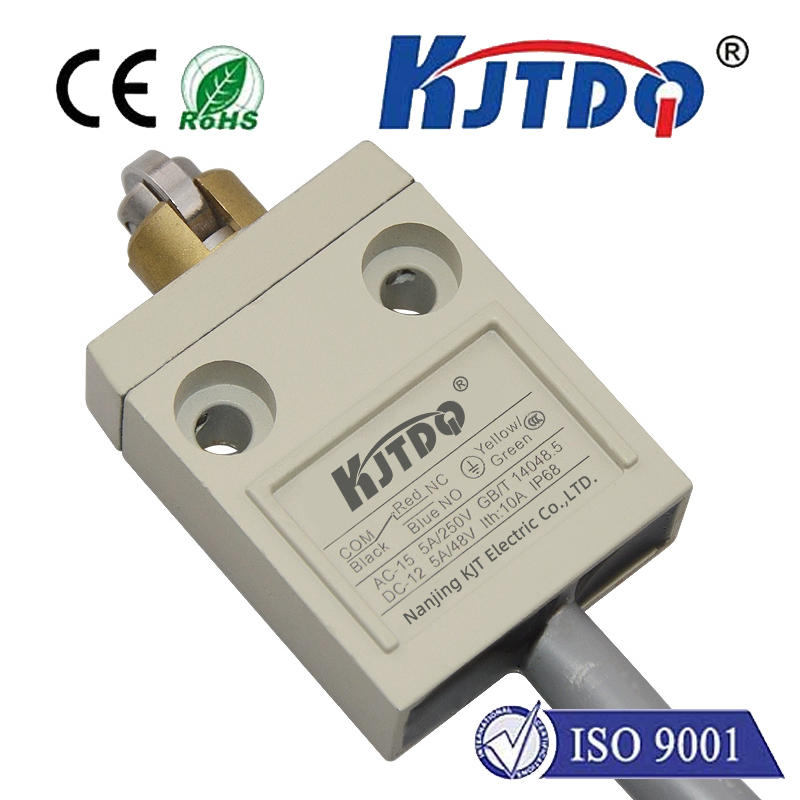
A 5A 250VAC micro switch, often referred to as a snap-action switch, is characterized by its small size and quick response mechanism. The "5A" denotes its current rating of 5 amperes, while "250VAC" indicates its maximum voltage capacity for alternating current. This specification ensures the switch can handle moderate power loads safely, making it suitable for both household and industrial environments. The internal mechanism involves a spring-loaded actuator that triggers a rapid change in contact position with minimal physical force, providing consistent and reliable switching action.
One of the key advantages of this micro switch is its durability. Constructed from high-quality materials such as thermoplastics and metal alloys, it withstands frequent cycling—often up to millions of operations—without significant wear. This longevity is crucial in devices like printers, vending machines, and safety interlocks, where consistent performance is vital. Additionally, the switch's sealed designs offer protection against dust, moisture, and contaminants, enhancing its lifespan in harsh conditions.
Applications of the 5A 250VAC micro switch are diverse. In home appliances, it is commonly found in microwave ovens, refrigerators, and washing machines, where it acts as a door interlock or control switch. Industrial settings utilize it in machinery for limit switching, conveyor systems, and automated equipment. Its low actuation force and precise operation also make it ideal for robotics and electronic gadgets, ensuring accurate sensor feedback and control. When selecting a micro switch, factors like actuator type (e.g., lever, roller, or pin), terminal options (solder, quick-connect, or screw), and environmental ratings (IP67 for waterproofing) should be considered to match specific project needs.
Installation and maintenance are straightforward but require attention to detail. Always ensure the power supply is disconnected before wiring to prevent electrical hazards. Follow manufacturer guidelines for mounting and alignment to avoid premature failure. Regular inspections for signs of corrosion or wear can preempt malfunctions. For optimal performance, pair the switch with compatible circuits and avoid exceeding its rated electrical parameters.
Innovations in micro switch technology continue to evolve, with trends focusing on miniaturization, enhanced safety features, and IoT integration. However, the 5A 250VAC variant remains a timeless solution due to its balance of capacity, size, and cost-effectiveness. Whether you're designing a new product or repairing an existing system, understanding this component's capabilities can lead to more efficient and reliable outcomes.
In summary, the 5A 250VAC micro switch is a versatile and dependable component that plays a critical role in modern electronics. Its design prioritizes accuracy and endurance, catering to a wide range of applications. By adhering to best practices in selection and usage, users can leverage its full potential to achieve seamless circuit control.