check

check

check

check

check

check
In industrial automation and machinery control, precision and reliability are non-negotiable. Among the myriad components that ensure seamless operation, the limit switch stands as a critical sentinel, dictating the boundaries of motion and triggering essential actions. When sourcing these pivotal devices, engineers and procurement specialists consistently turn to trusted distributors, with DigiKey emerging as a premier hub for high-quality limit switches. This guide delves into the world of DigiKey limit switches, exploring their fundamental principles, diverse types, key selection criteria, and practical application insights to empower your next project.
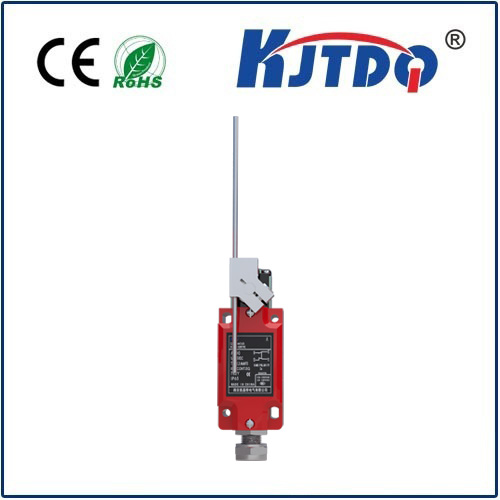
At its core, a limit switch is an electromechanical device that detects the presence or absence of an object, or monitors the limits of travel, by physically making or breaking an electrical contact. It typically consists of an actuator—a lever, roller, or plunger—mechanically linked to a set of contacts. When an object contacts the actuator, it moves, changing the state of the contacts from open to closed or vice versa. This simple yet robust action sends a signal to a control system, such as a PLC (Programmable Logic Controller), to initiate, halt, or alter a sequence of operations. Common applications include detecting the end-of-travel position of a conveyor belt, ensuring a safety guard is in place on a machine, or counting objects on a production line. The reliability of this physical contact mechanism, as opposed to non-contact sensors in some environments, makes limit switches indispensable for many industrial scenarios.
DigiKey’s extensive catalog features limit switches from leading manufacturers like Omron, Honeywell, Schneider Electric, and TE Connectivity, offering a vast array of configurations to meet virtually any requirement. These can be broadly categorized by actuator type, housing design, electrical specifications, and special features. Popular actuator styles include lever actuators (with various roller shapes and lengths for different engagement angles), plunger actuators for direct linear pressure, and rotary actuators. Enclosures are rated by IP (Ingress Protection) standards, such as IP67 for dust-tight and waterproof operation, crucial for harsh factory or outdoor settings. Electrical ratings, including voltage (e.g., 125VAC, 250VAC, 24VDC) and current capacity (e.g., 10A, 15A), must align with the control circuit. Other variants include precision snap-action switches for consistent performance, heavy-duty models for high-impact environments, and compact designs for space-constrained installations.
Selecting the right limit switch from DigiKey’s portfolio requires careful consideration of several parameters. First, define the operational environment: Will the switch face extreme temperatures, moisture, oil, corrosive chemicals, or heavy vibration? This dictates the required housing material (e.g., metal or thermoplastic) and sealing rating. Next, analyze the mechanical requirements: What is the nature of the object to be detected—its size, speed, and force of contact? This determines the optimal actuator type and operating force. Electrical compatibility is paramount; match the switch’s voltage, current (both AC and DC loads), and contact configuration (normally open, normally closed, or changeover) with your control system. Additionally, consider mounting style (e.g., threaded body, base-mounted) and connection type (screw terminals, quick-connect, or pre-wired cables) for ease of installation. Leveraging DigiKey’s powerful online filters and detailed datasheets simplifies this selection process, allowing for precise comparison based on technical specifications.
In practical applications, proper installation and maintenance are key to longevity and performance. Ensure the switch is mounted securely to avoid misalignment from vibration. The actuator should engage with the target object smoothly and fully to ensure positive contact; adjustable levers or brackets can fine-tune this interaction. Avoid over-travel—excessive force beyond the actuator’s designed limit—which can cause premature wear or failure. For repetitive high-impact applications, consider adding external shock absorbers or bumpers. Regular inspection for physical damage, wear on the actuator mechanism, and cleanliness of contacts will prevent unexpected downtime. Many limit switches available on DigiKey feature durable construction for millions of cycles, but understanding their limits ensures optimal service life.
Beyond traditional mechanical limit switches, DigiKey also offers advanced alternatives like solid-state proximity sensors for non-contact detection. However, the electromechanical limit switch remains favored for its simplicity, direct feedback, and ability to handle high-current loads without additional interfaces. In modern automated systems, they often work in concert with other sensors and safety devices to create robust control networks. Whether you’re retrofitting an old machine or designing a new automated cell, the correct limit switch acts as a reliable workhorse.
Navigating DigiKey’s platform provides not only access to a vast inventory but also valuable resources such as product tutorials, supplier documentation, and community forums. By methodically assessing your application needs against the specifications of available limit switches, you can confidently select a component that ensures precision, enhances safety, and boosts operational efficiency. In the intricate dance of industrial automation, the humble limit switch, sourced from a reliable partner like DigiKey, plays a starring role in maintaining rhythm and control.