check

check

check

check

check

check
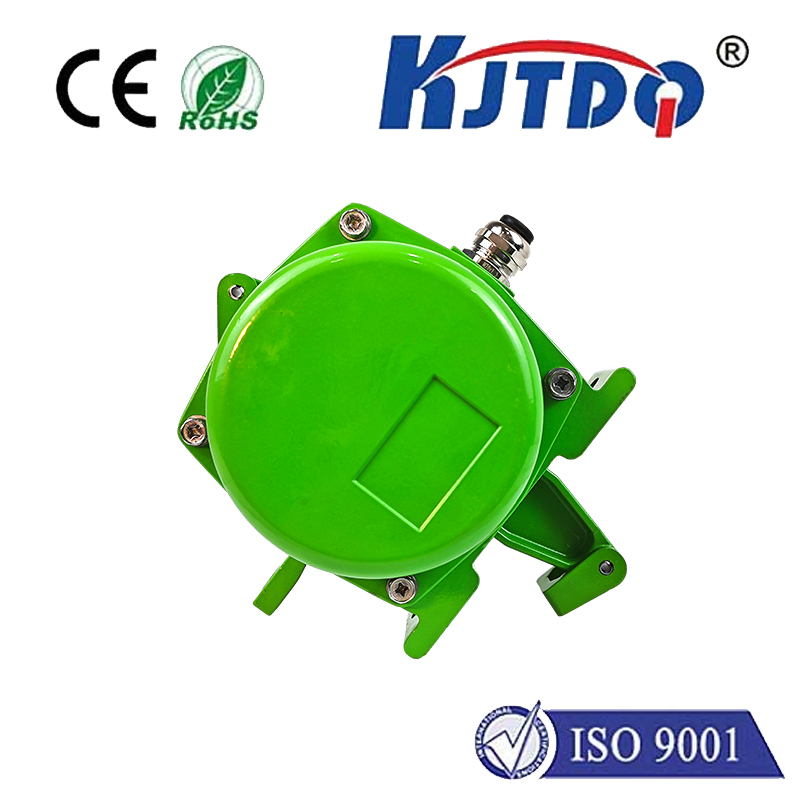
In industrial settings where bulk materials are handled, the gravity limit switch plays a crucial yet often overlooked role in ensuring operational safety and efficiency. This device, fundamentally a type of level sensor, is designed to detect the presence or absence of dry, granular, or powdered materials in bins, hoppers, and silos. Unlike complex electronic systems, its operation relies on a simple, mechanical principle: gravity.
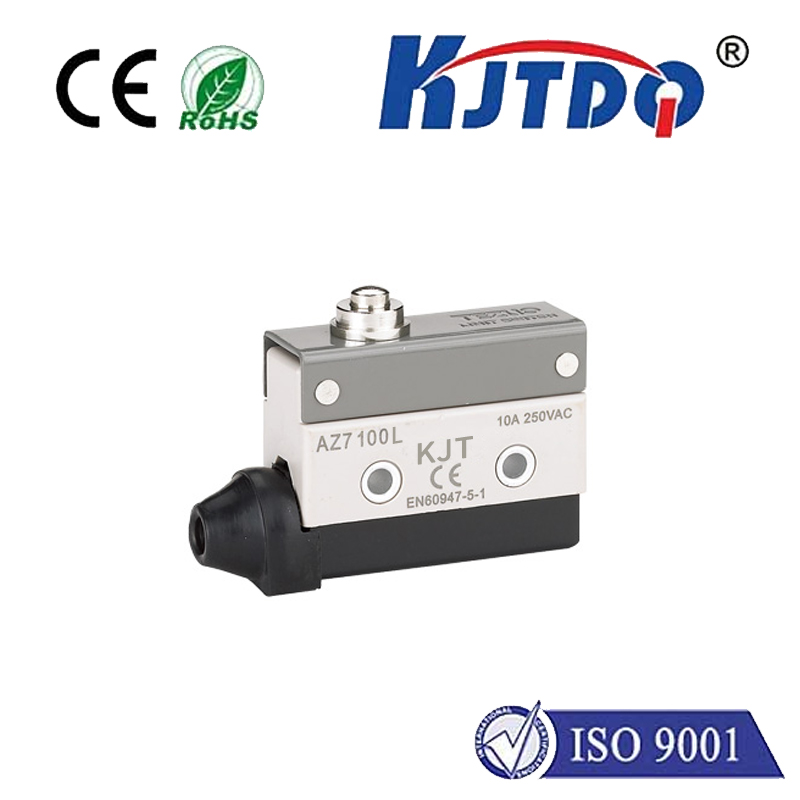
The core component of a typical gravity limit switch is a pivoted paddle or vane. This paddle is installed inside a storage vessel, positioned to be in the path of the material flow. When the vessel is empty, the paddle hangs freely due to gravity. Once the material level rises and begins to fill the container, the flowing or stationary product exerts force against the paddle. This force causes the paddle to deflect from its resting position. This mechanical movement is transferred via a shaft to an external switching mechanism. This switch can then send a signal—often a simple open or closed electrical contact—to a control panel, alarm, or conveyor system, indicating that a predetermined material level has been reached.
The primary advantage of the gravity limit switch lies in its simplicity and reliability. With no sophisticated electronics or power requirements within the hazardous area of the vessel, it is inherently safe for use in dusty, explosive, or harsh environments. Its mechanical nature makes it robust, cost-effective, and easy to install and maintain. Common applications include preventing overfilling of silos, which can lead to costly clean-ups and equipment damage, and signaling low levels to initiate automated refilling processes, thus ensuring continuous operation. They are ubiquitous in industries dealing with grains, plastics, cement, chemicals, and pharmaceuticals.
However, selecting and applying a gravity limit switch correctly is paramount for optimal performance. Key considerations include the material characteristics. Abrasive materials can wear down the paddle over time, requiring models with hardened surfaces or special coatings. Very light, fluffy powders might not exert sufficient force to move the paddle reliably, while sticky materials could cause buildup and impede movement. The installation angle and location are also critical; the paddle must be positioned where it will accurately interact with the material level without being obstructed by material flow patterns or vessel geometry.
Modern advancements have led to improved designs. Some switches feature a fail-safe mechanism that triggers an alarm if the paddle becomes jammed, enhancing system safety. Others offer adjustable sensitivity to fine-tune the response for different material densities. While non-contact technologies like ultrasonic or radar sensors offer alternatives for certain applications, the gravity limit switch remains the go-to solution for its proven track record, durability, and straightforward functionality in countless material handling scenarios.
Proper maintenance, though minimal, is essential. Periodic checks for paddle freedom of movement, inspection for wear or damage, and clearing of any material buildup ensure long-term reliability. Integrating this switch into a broader plant monitoring system allows for comprehensive control and early warning of potential issues, contributing significantly to overall plant safety and preventing downtime. In essence, the gravity limit switch serves as a vigilant, mechanical sentinel, using the fundamental force of gravity to safeguard processes and infrastructure in the industrial world.