check

check

check

check

check

check
When your Armstrong furnace suddenly stops heating or cycles on and off too frequently, the culprit is often a small but critical component: the limit switch. This safety device is the unsung hero of your home's heating system, working silently to prevent dangerous overheating and protect your equipment. Understanding its function, recognizing signs of failure, and knowing when to call a professional can save you from discomfort, costly repairs, and potential hazards.
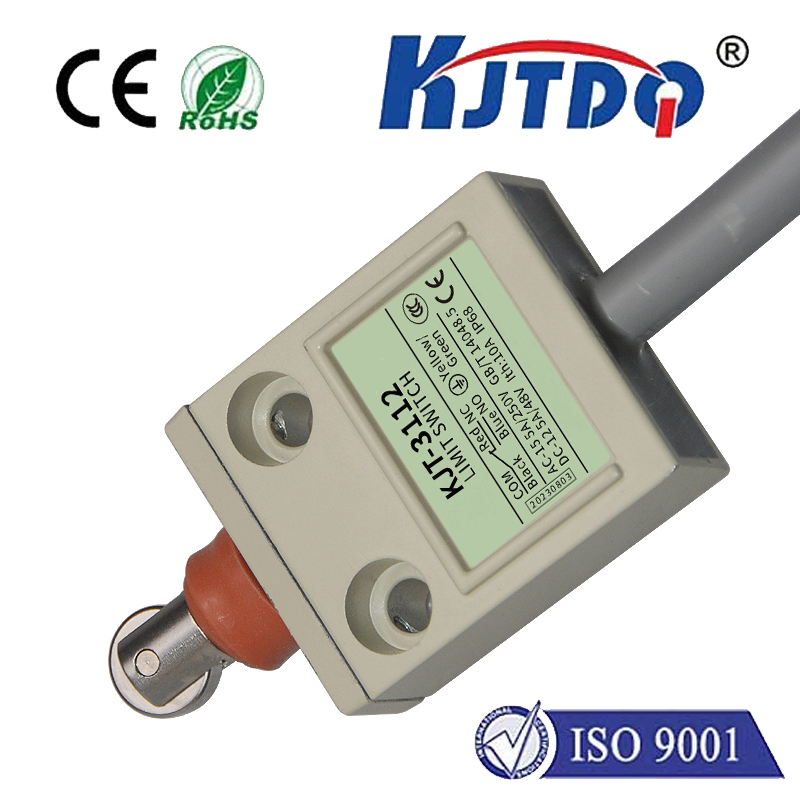
The primary role of the limit switch in an Armstrong furnace is to act as a high-temperature safety sensor. It is typically located near the heat exchanger or in the plenum—the chamber that distributes heated air. The switch constantly monitors the air temperature inside the furnace. Under normal operation, when the thermostat calls for heat, the burners ignite and the blower fan starts after a brief delay to push warm air through the ducts. The limit switch remains "closed," allowing the heating cycle to continue.
However, if the temperature rises to an unsafe level—often due to a clogged air filter, blocked vents, a failing blower motor, or a dirty flame sensor—the limit switch "opens." This action immediately shuts off the gas valve to the burners, stopping the production of heat. It is a crucial fail-safe designed to prevent damage to the heat exchanger, which could lead to cracks and the dangerous release of carbon monoxide into your home. Once the internal temperature cools down to a safe threshold, the switch should automatically reset, allowing the furnace to attempt another cycle.
Several clear symptoms indicate a potential problem with your Armstrong furnace limit switch. The most common is short cycling, where the furnace turns on for only a few minutes before shutting down, then repeatedly tries to restart. You might also experience no heat at all, even though the furnace attempts to ignite. In some cases, the blower fan may run continuously without stopping, or it may not turn on at all, leaving the furnace to overheat. Before assuming the switch is faulty, it's essential to rule out simpler issues. Always check and replace a dirty air filter first, as restricted airflow is the leading cause of limit switch activation. Ensure all supply and return air vents are open and unblocked by furniture or drapes.
While some experienced DIYers may test the limit switch with a multimeter for continuity, replacement involves working with gas and electrical components. For most homeowners, this is not a recommended task. Incorrect installation can lead to gas leaks, electrical hazards, or a furnace that operates unsafely. A certified HVAC technician possesses the tools and expertise to accurately diagnose whether the limit switch itself has failed or if its tripping is a symptom of a larger problem, such as a failing blower motor capacitor or a cracked heat exchanger. They can safely test the component, verify the correct temperature rating, and install a genuine Armstrong or OEM-compatible replacement part.
Regular maintenance is the best strategy to prevent limit switch issues and ensure your Armstrong furnace operates reliably and efficiently. Schedule an annual professional tune-up before each heating season. During this service, a technician will clean critical components, check airflow, inspect the heat exchanger for cracks, test safety controls including the limit switch, and verify all system parameters. This proactive approach not only enhances safety but also improves furnace performance and longevity, keeping your energy bills in check and your home comfortably warm throughout the winter. Remember, a functioning limit switch is not an inconvenience; it is a vital guardian of your home's safety and your furnace's integrity.