check

check

check

check

check

check
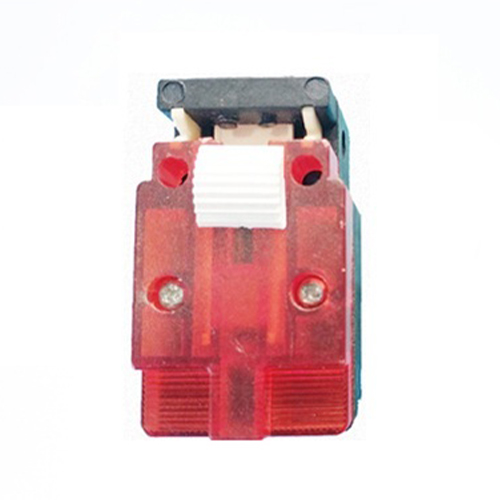
In the intricate world of HVAC systems, where comfort and safety are paramount, a small yet critical component often operates behind the scenes: the limit switch. Specifically, the Intertherm limit switch stands as a vital guardian, playing an indispensable role in the reliable and safe operation of furnaces and heating systems. This device is engineered to monitor temperature levels within the system, acting as a crucial safety mechanism to prevent overheating and potential hazards.
The primary function of an Intertherm limit switch is to act as a sentinel. It is strategically placed within the furnace's heat exchanger or plenum. As the furnace operates, the temperature rises. The limit switch continuously monitors this heat. Once the temperature reaches a pre-set, safe upper limit, the switch automatically interrupts the electrical circuit to the burner or heating elements, shutting off the heat source. This prevents the furnace from operating at dangerously high temperatures that could damage components, crack the heat exchanger, or even pose a fire risk. Conversely, once the system cools down to a safe lower temperature, the switch resets, allowing the furnace to resume normal operation when heat is called for by the thermostat. This cyclical process is fundamental to system longevity and home safety.
Beyond its core safety role, a properly functioning Intertherm limit switch also contributes significantly to system efficiency. By preventing excessive overheating, it reduces unnecessary strain on the furnace's components, such as the blower motor and heat exchanger. This not only conserves energy but also extends the operational life of the entire HVAC unit. A faulty limit switch, one that trips too early or fails to trip at all, can lead to a cascade of problems. Short cycling—where the furnace turns on and off rapidly—is a common symptom, leading to increased wear, higher energy bills, and inadequate heating. A switch that fails to open can allow the furnace to overheat, triggering emergency shutdowns or causing permanent damage.
Recognizing signs of a failing Intertherm limit switch is crucial for proactive maintenance. Homeowners and technicians should be alert to frequent system cycling, the furnace blowing cold air when heat is demanded, or the unit failing to start altogether. In many cases, a visual inspection might reveal signs of overheating, such as discoloration or melting on the switch housing. It is important to note that while some issues might be related to a dirty flame sensor or airflow problems (like a clogged filter), a malfunctioning limit switch is a common culprit in heating system failures.
When replacement becomes necessary, selecting the correct Intertherm limit switch model is non-negotiable. These switches are designed with specific temperature ratings and electrical specifications to match the original equipment. Using an incompatible switch can compromise the entire safety system. For installation, safety must be the top priority. Always disconnect all power to the furnace at the main electrical panel before attempting any inspection or replacement. The process typically involves locating the old switch, disconnecting its wiring (noting the configuration for accurate reconnection), removing the mounting screws, and installing the new, identical unit. After securing the new switch and reconnecting the wires, power can be restored for testing.
Professional HVAC technicians are trained to diagnose issues with limit switches accurately. They use multimeters to test for continuity, ensuring the switch opens and closes at the correct temperatures. Their expertise ensures that the root cause of a problem is identified, whether it's the switch itself, an airflow restriction, or a separate control board issue. Regular professional maintenance, including cleaning and inspection of the limit switch and its surrounding components, is the best strategy to ensure it functions correctly for years.
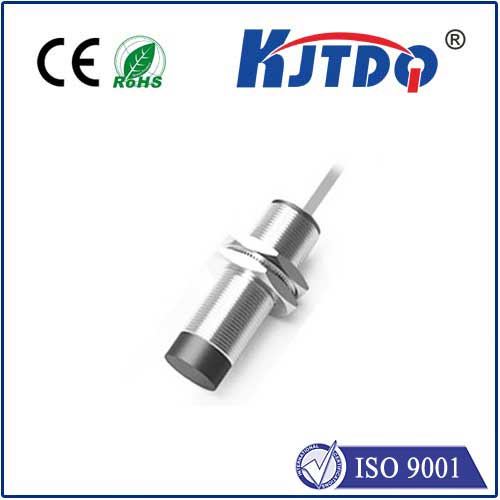
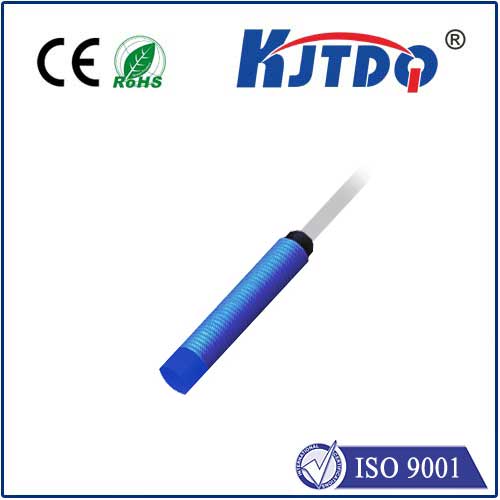
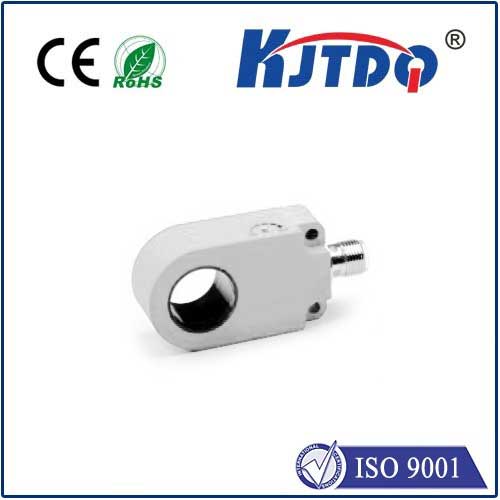
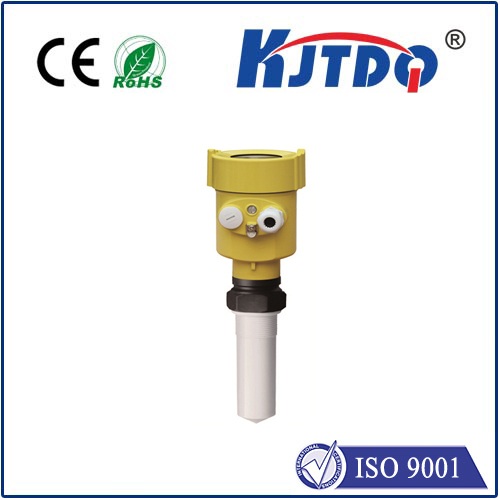
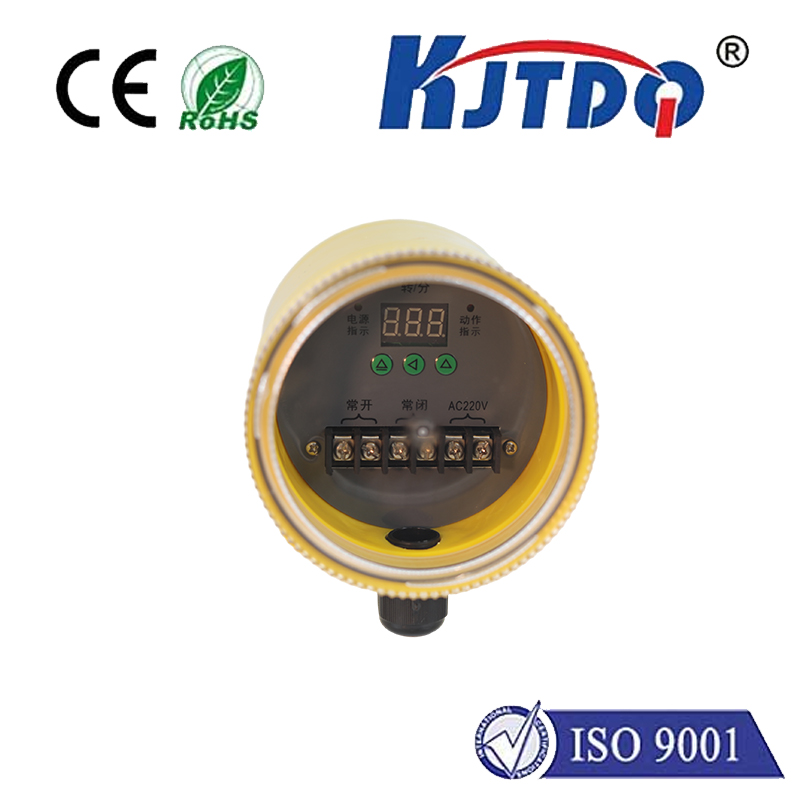
In conclusion, the Intertherm limit switch KJTDQ is far more than a simple component; it is an essential safety device integrated into the heart of a heating system. Its vigilant monitoring and automatic control are fundamental to protecting both the HVAC equipment and the home it serves. Understanding its function, recognizing symptoms of failure, and ensuring proper maintenance or replacement with the correct part are key steps in maintaining a safe, efficient, and reliable heating system. This small switch carries a large responsibility, making it a cornerstone of modern HVAC safety protocols.