check

check

check

check

check

check
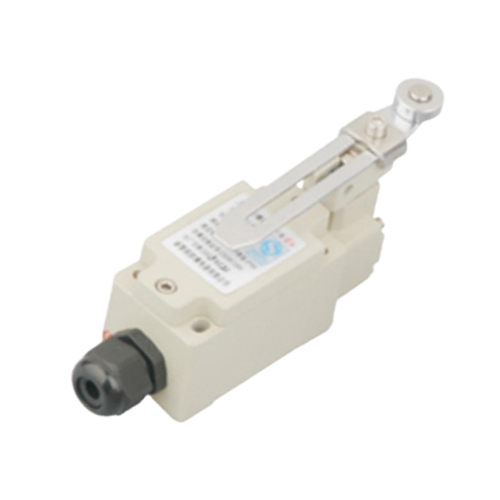
In industrial automation and control systems, limit switches play a crucial role in monitoring and controlling the position of machinery. A fundamental parameter governing their reliable operation is the limit switch voltage. Understanding this specification is not merely a technical detail; it is essential for ensuring system safety, longevity, and optimal performance. This guide delves into the intricacies of limit switch voltage, explaining its types, selection criteria, and practical implications for engineers and technicians.
At its core, the limit switch voltage refers to the electrical potential difference at which the switch is designed to operate reliably. It encompasses both the voltage rating of the switch's internal contacts and the voltage of the control circuit it interfaces with. Mismatching these voltages can lead to catastrophic failures, including contact welding, premature wear, or even safety hazards. There are two primary categories to consider: the operating voltage of the control circuit and the switching capacity of the contacts.
First, the control circuit voltage is the voltage present in the system where the limit switch's signal is processed. Common standards include 24V DC, 120V AC, and 240V AC. Selecting a switch rated for the correct control voltage is non-negotiable. Using a switch rated for 24V DC in a 120V AC circuit will likely destroy the switch instantly due to insulation breakdown and contact arcing. Conversely, using a higher-rated switch in a low-voltage circuit is generally safe but may be cost-ineffective.
Second, and equally important, is the switch's contact rating, often expressed as a maximum voltage and current (e.g., 240V AC, 10A). This rating indicates the electrical load the internal contacts can safely make or break. A common mistake is to focus only on the voltage while overlooking the current (amperage) of the load being switched. Inductive loads, such as solenoid coils or motor contactors, generate significant voltage spikes when de-energized, requiring switches with adequate ratings to handle the inrush and breaking currents.
The choice of voltage directly impacts performance and safety. Low-voltage DC circuits (e.g., 5V, 12V, 24V DC) are prevalent in modern PLC-based systems due to their safety and compatibility with solid-state electronics. Switches for these applications are designed for low power and signal-level switching. AC voltages (e.g., 120V, 240V) are often found in direct power control of motors or heaters. Switches here require robust construction to handle higher power and extinguish the AC arc that forms when contacts open.
Several critical factors influence the selection of the appropriate limit switch voltage. The nature of the load is paramount. Resistive loads like heating elements are simpler to switch than inductive or capacitive loads. The ambient environment also plays a role. In humid or dusty conditions, higher voltage systems might be more prone to tracking and leakage currents, sometimes making lower voltage designs a safer choice. Furthermore, safety standards and regulations, such as those from OSHA or IEC, often dictate voltage levels for certain applications, particularly in hazardous areas.
Beyond the basic rating, real-world application requires consideration of voltage drop, especially in long wire runs from the switch to the controller. Using an undersized wire gauge can cause a significant voltage drop at the switch, leading to unreliable operation or failure to trigger the controller. For critical applications, verifying the actual voltage at the switch terminals under load is a recommended best practice.
In conclusion, specifying the correct limit switch voltage is a foundational step in control system design. It requires a holistic view of the control circuit, the load characteristics, and the operating environment. By carefully matching the switch's voltage and current ratings to the application demands, engineers can build systems that are not only functional but also safe, reliable, and durable. Always consult the manufacturer's datasheet and adhere to all applicable electrical codes during selection and installation.