check

check

check

check

check

check
In industrial automation and machinery control, the reliability of components directly impacts operational safety and efficiency. Among these critical components, the sealed limit switch stands out as a fundamental device for position detection and motion control. Designed to withstand challenging conditions, sealed limit switches provide precise signaling in environments where dust, moisture, chemicals, or extreme temperatures are present. This article explores the functionality, applications, and benefits of sealed limit switches, highlighting why they are indispensable in modern industrial settings.
A sealed limit switch is an electromechanical device that detects the presence or absence of an object, or monitors its position, by physically making or breaking an electrical circuit. The "sealed" aspect refers to its protective housing, typically rated with ingress protection (IP) standards such as IP67 or IP69K, which shields internal mechanisms from contaminants. This sealing prevents failures caused by water ingress, dust accumulation, or corrosive substances, ensuring consistent performance in harsh locations like manufacturing plants, outdoor machinery, or food processing facilities.
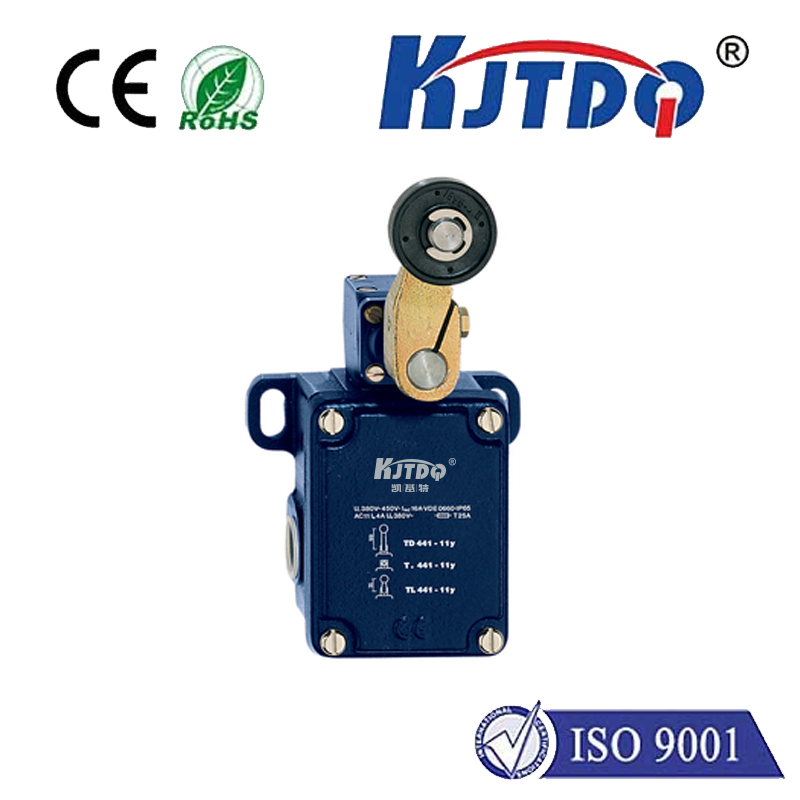
The core mechanism involves an actuator—such as a lever, roller, or plunger—that triggers internal contacts when moved by an external force. Once the actuator reaches a predetermined position, it changes the switch's state, sending a signal to a control system to start, stop, or alter a process. For instance, in conveyor systems, sealed limit switches can detect when items reach specific points, enabling automated sorting or stopping to prevent jams. In heavy machinery, they serve as safety interlocks to halt operations if guards are opened or components exceed travel limits.
Applications of sealed limit switches span diverse industries. In automotive manufacturing, they ensure robotic arms move accurately within defined ranges, preventing collisions. In agriculture, they monitor the position of equipment like harvesters, operating reliably despite exposure to mud and debris. The food and beverage sector relies on sealed switches for hygiene and durability, as they can be cleaned with high-pressure water without damage. Similarly, in mining or construction, these switches endure vibrations, shocks, and particulate matter, maintaining functionality where standard switches would fail.
Key advantages of using sealed limit switches include enhanced durability and reduced maintenance. Their robust construction minimizes downtime by resisting wear from environmental stressors. Additionally, they offer high precision, with repeatable actuation points that ensure consistent machine cycles. From a safety perspective, they provide fail-safe detection, crucial for protecting personnel and equipment in automated processes. Modern variants may incorporate features like LED indicators for status monitoring or modular designs for easy installation and replacement.
When selecting a sealed limit switch, factors like IP rating, material compatibility (e.g., stainless steel for corrosive areas), actuator type, and electrical specifications must align with the application's demands. Proper installation and periodic checks are recommended to maximize lifespan, though their sealed nature often reduces the need for frequent servicing.
In summary, sealed limit switches are vital for achieving reliable automation in demanding conditions. By combining mechanical simplicity with protective engineering, they enable industries to operate safely and efficiently, even in the toughest environments. As technology advances, these switches continue to evolve, integrating smarter capabilities while upholding their core role in industrial control systems.