check

check

check

check

check

check
In the intricate world of industrial automation and machine control, precision and reliability are non-negotiable. Among the myriad components that ensure seamless operation, the limit switch stands as a fundamental sentinel. Specifically, the JW2 11Z 3 model represents a pinnacle of design and functionality within this category. This guide delves into the essential role of this component, its applications, and why it is a critical choice for engineers and maintenance professionals seeking unwavering performance.
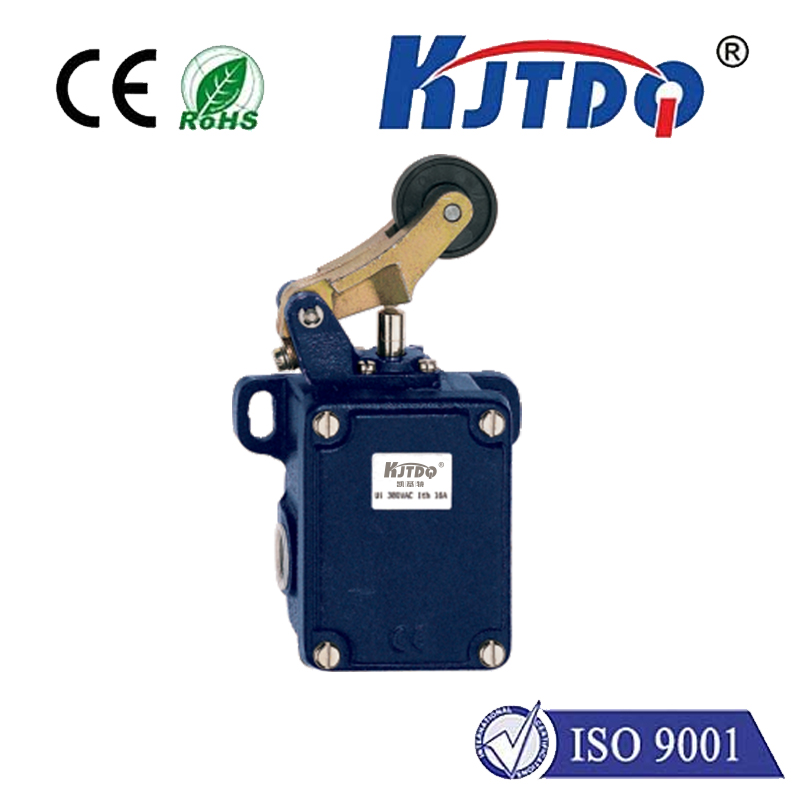
A limit switch is an electromechanical device that requires physical contact with an object to determine its presence, absence, or position. The JW2 11Z 3 is a compact, robustly built switch designed for demanding environments. Its designation often refers to its specific series, contact configuration, and operational characteristics. The "JW2" typically denotes the series or housing style, known for durability. The "11Z" usually indicates the actuator type—in this case, a top rotary lever with a roller, which is versatile for various triggering angles and directions. The "3" often specifies the electrical contact arrangement, commonly referring to a set of contacts (like SPDT - Single Pole Double Throw), which provides flexibility in circuit control.
The core function of the JW2 11Z 3 limit switch is to convert mechanical motion into an electrical control signal. When a machine part, such as a door, conveyor belt stop, or robotic arm, moves and contacts the switch's actuator lever, it triggers an internal mechanism. This action opens or closes electrical contacts within the switch. This signal is then sent to the machine's control system—a PLC (Programmable Logic Controller) or relay—to initiate a predetermined action. This could be stopping a motor, reversing direction, starting a new sequence, or activating a safety interlock. Its reliability in providing this precise signal is paramount for cycle consistency, safety protocols, and overall equipment effectiveness.
The applications for the JW2 11Z 3 are vast across multiple industries. In material handling and packaging, these switches are used to detect the position of items on a conveyor, ensuring proper sorting and preventing jams. In automotive assembly lines, they confirm the correct positioning of parts before a welding or machining operation commences. They are integral to CNC machines, defining the travel limits of cutting tools to prevent over-travel and damage. Furthermore, their robust construction makes them suitable for harsh conditions found in woodworking, textile manufacturing, and even outdoor machinery, where dust, moisture, and vibration are present.
Choosing the JW2 11Z 3 model offers distinct advantages. Its mechanical design ensures a high degree of repeatability and accuracy. The metal housing and sealed construction provide excellent resistance to environmental contaminants, extending its service life and reducing downtime. The top rotary lever actuator allows for easy adjustment and can be triggered from multiple directions, offering installation flexibility. From a maintenance perspective, its straightforward mechanical nature makes troubleshooting and replacement simpler compared to more complex proximity sensors in some scenarios.
For optimal performance and longevity, proper installation and routine maintenance are key. The switch must be securely mounted to avoid misalignment caused by vibration. The actuator lever should be positioned so that the contacting machine part engages it fully without over-travel, which could cause mechanical stress. Regular inspection for physical damage, wear on the roller, and checking for loose connections is recommended. Keeping the actuator area free from excessive debris buildup will ensure consistent operation.
In conclusion, the JW2 11Z 3 limit switch is more than just a component; it is a reliable workhorse in the automation ecosystem. Its ability to provide a simple, direct, and trustworthy interface between the physical movement of machinery and its electronic control system is invaluable. For system designers and plant engineers prioritizing durability, precision, and proven technology, understanding and utilizing this specific limit switch model is a step toward achieving higher machine reliability, enhanced safety, and improved operational efficiency. Its continued prevalence in industrial settings is a testament to its effective and dependable design.