check

check

check

check

check

check
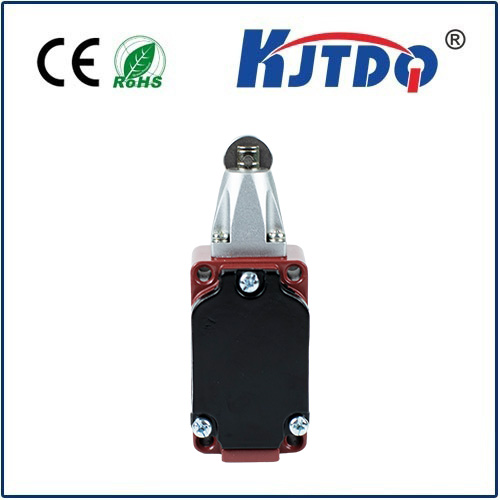
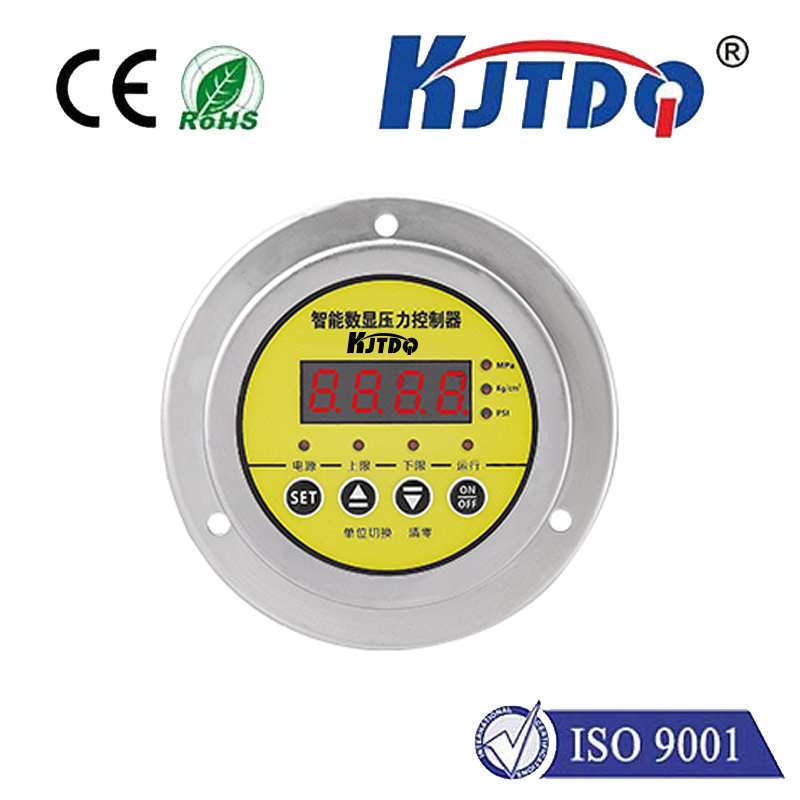
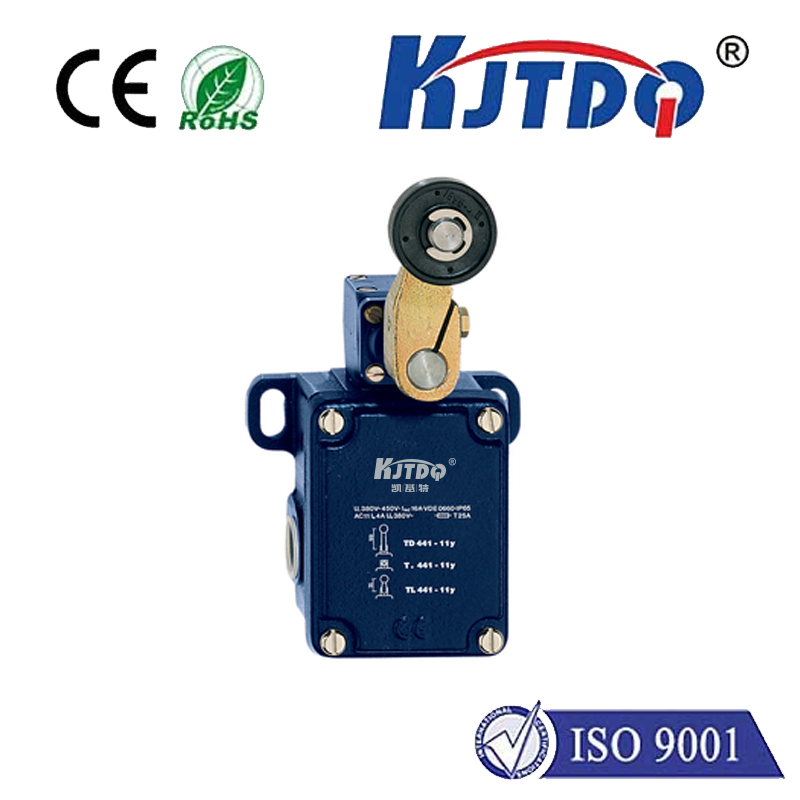
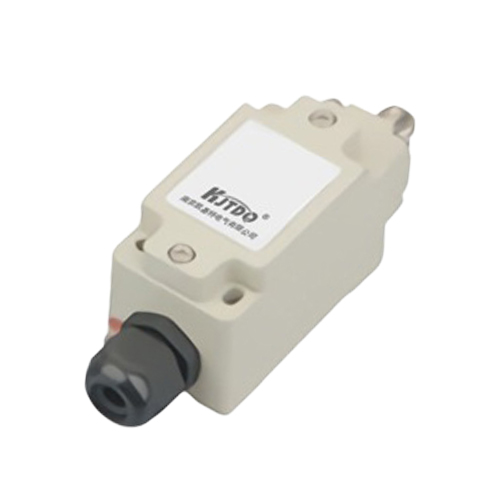
In the complex world of industrial automation and pneumatic systems, precision control and safety are non-negotiable. Among the myriad of components that ensure these critical parameters, the air pressure limit switch stands as a fundamental guardian. This device, often operating behind the scenes, plays a pivotal role in monitoring and controlling air pressure within systems, preventing potential failures and optimizing performance. An air pressure limit switch, sometimes referred to as a pressure sensor or pressurestat, is designed to detect when the pressure in a pneumatic system reaches a predetermined set point. Upon reaching this threshold, the switch activates, either opening or closing an electrical circuit. This simple yet decisive action can trigger alarms, shut down machinery, or initiate subsequent processes, forming a vital link in the control chain.
The operational principle of an air pressure limit switch is elegantly straightforward. Typically, it consists of a sensing element, such as a diaphragm, piston, or bellows, that responds to changes in system pressure. This mechanical movement is then translated into an electrical signal via a snap-action switch or a similar mechanism. The key feature is its adjustability; the activation point can usually be set by the user to match specific application requirements. This flexibility makes it suitable for a wide range of pressures, from low vacuum levels to high-pressure hydraulic applications. The reliability of this switch hinges on its robust construction, often featuring durable housings resistant to environmental factors like moisture, dust, and vibration commonly found in industrial settings.
The applications for air pressure limit switches are vast and varied across different sectors. In manufacturing, they are indispensable for safeguarding compressors, ensuring they operate within safe pressure ranges to avoid catastrophic failure or energy waste. Within HVAC systems, these switches monitor air filters, activating alarms when clogging causes a pressure drop, signaling the need for maintenance. The automotive industry relies on them for brake system monitoring and emission control. Furthermore, in process industries like food and beverage or pharmaceuticals, they help maintain precise pressure conditions critical for product quality and sterile environments. Their role extends to safety systems, where they can serve as a backup to electronic sensors, providing a fail-safe mechanical intervention.
Selecting the appropriate air pressure limit switch requires careful consideration of several technical factors. The pressure range is paramount—the switch must be rated for both the normal operating pressure and the desired set point. The type of media is also crucial; switches come in configurations compatible with air, oil, water, or other gases. The electrical specifications, including voltage, current rating, and connection type, must align with the control circuit. Environmental conditions dictate the need for specific ingress protection (IP) ratings or materials like stainless steel for corrosive atmospheres. Additionally, factors such as response time, reset differential (the difference between the actuation and reset points), and mounting style influence the switch's integration and long-term performance.
Modern advancements have enhanced the functionality of traditional air pressure limit switches. While the core mechanical principle remains, integration with digital systems is becoming more common. Some models now offer analog output signals or IO-Link communication, providing not just a simple on/off signal but continuous pressure data for predictive maintenance and system analytics. This bridges the gap between simple safety devices and sophisticated process control. However, the inherent simplicity and fail-safe nature of the mechanical switch continue to make it a preferred choice for critical safety interlocks where electronic sensor failure is not an option.
Proper installation and routine maintenance are essential to ensure the longevity and accuracy of an air pressure limit switch. Installation should follow manufacturer guidelines, typically involving connection to a pressure port via a suitable fitting, ensuring there are no leaks that could affect readings. The sensing element must be protected from pulsating pressure or water hammer, which can be achieved with snubbers or pulsation dampeners. Regular calibration checks against a known pressure standard are recommended to verify the set point accuracy. Keeping the switch and its connections clean from oil, dirt, and debris prevents false triggering and mechanical binding.
In conclusion, the air pressure limit switch is a cornerstone of industrial safety and efficiency. Its ability to provide reliable, direct mechanical control based on pressure changes makes it an irreplaceable component in countless applications. From preventing equipment damage to ensuring product quality and protecting personnel, its value is immense. As industries continue to evolve towards greater automation and connectivity, the fundamental role of this robust and trustworthy device remains secure, acting as a critical checkpoint in the seamless and safe operation of pneumatic and fluid power systems worldwide.