check

check

check

check

check

check
In the intricate world of industrial automation and machinery control, precision and reliability are non-negotiable. At the heart of countless safety and operational sequences lies a seemingly simple yet profoundly critical component: the limit switch button. This device, often overlooked, serves as the fundamental interface between a mechanical action and an electrical control system, dictating the start, stop, or reversal of machine movements with unerring accuracy.
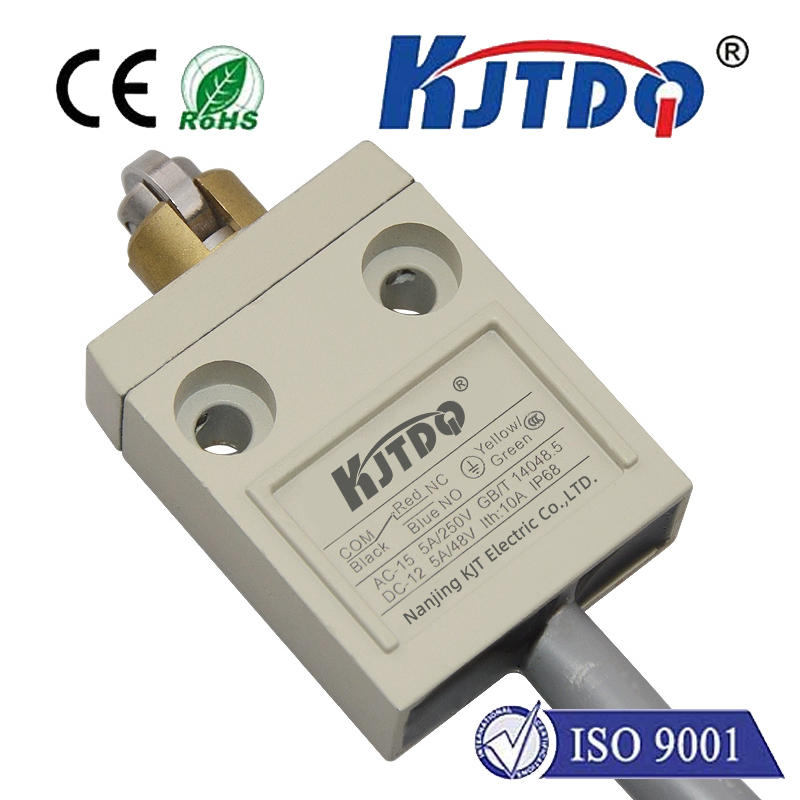
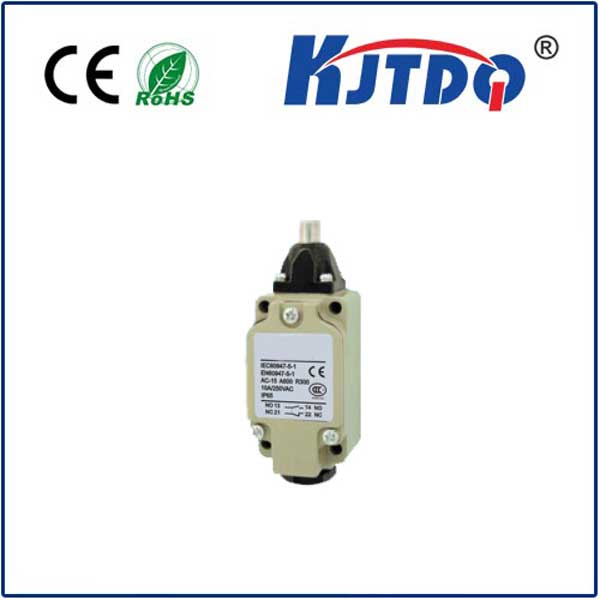
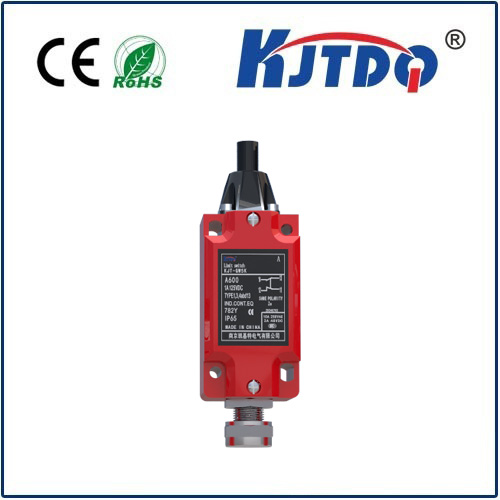
A limit switch button is an electromechanical device designed to detect the presence or absence of an object, or to monitor the position of a machine part. Its operation is elegantly straightforward. When an actuator (like a plunger, lever, or roller) on the switch is physically moved by a target object—such as a moving platform, a robotic arm, or a door—it triggers an internal mechanism. This action either opens or closes a set of electrical contacts within the switch housing. This change in the electrical circuit state sends a definitive signal to the machine's programmable logic controller (PLC) or relay system, initiating a pre-programmed response.
The applications for limit switch buttons are vast and varied, forming the backbone of automated systems. In manufacturing assembly lines, they ensure robotic arms stop at exact positions for welding or part placement. On conveyor systems, they detect when a product has reached the end of a line, triggering a diverter or stopping the belt. Within elevator systems, limit switches are crucial for halting the cabin precisely at floor level. They are also indispensable in safety interlocks on machine guards, ensuring dangerous equipment cannot operate unless a protective door is securely closed. The robust design of industrial-grade limit switches allows them to perform millions of cycles in harsh environments filled with dust, moisture, vibration, and extreme temperatures.
When selecting a limit switch button for a specific application, several key specifications demand careful consideration. The actuator type is paramount; choices include roller lever, plunger, or whisker styles, each suited for different kinds of mechanical engagement. The electrical rating, including voltage and current capacity (both AC and DC), must match the control circuit's requirements. The housing material, typically metal or high-grade plastic, determines its resistance to environmental factors. Furthermore, the switching configuration—whether normally open (NO), normally closed (NC), or a combination—defines the logic of the control signal. For instance, a normally closed switch used in a safety circuit will break the circuit and stop the machine when the guard is opened.
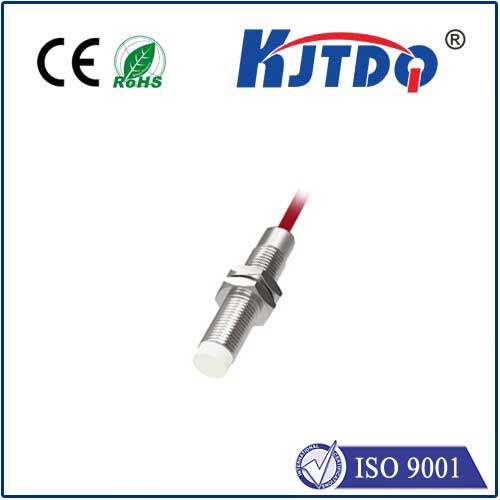
Modern advancements have expanded the capabilities of traditional limit switches. Sealed versions offer exceptional protection against water and oil ingress, meeting IP67 ratings or higher. Miniature models provide solutions for space-constrained applications without sacrificing performance. Despite the rise of proximity sensors (inductive, capacitive, photoelectric) that offer non-contact detection, the tactile, physical feedback of a limit switch button remains irreplaceable in many scenarios. Its positive mechanical operation provides a fail-safe confirmation that a physical position has been reached, a feature highly valued for critical safety and positioning tasks.
Installation and maintenance are straightforward but crucial for long-term reliability. Proper alignment of the actuator with the target machine part is essential to prevent false triggers or missed signals. Regular inspection for wear on the actuator mechanism and periodic checking of electrical continuity help prevent unexpected downtime. For engineers and maintenance technicians, understanding the simple yet vital role of the limit switch button is key to troubleshooting automation systems efficiently. Its status is often one of the first points checked when a machine fails to cycle correctly.
From packaging machines to CNC equipment, from automotive plants to material handling systems, the limit switch button continues to be a cornerstone of industrial logic control. Its durability, direct interface with mechanical processes, and proven technology ensure it will remain a vital component in the evolving landscape of industrial automation. By providing a definitive, physical signal for positional control, it translates mechanical motion into the reliable electrical commands that drive modern industry forward, one precise movement at a time.