check

check

check

check

check

check
In the demanding world of industrial lifting and material handling, safety and precision are non-negotiable. At the heart of ensuring these critical parameters lies a seemingly small yet indispensable component: the crane upper limit switch. This device acts as the ultimate guardian against over-hoisting, a primary cause of catastrophic equipment failure, load damage, and severe workplace accidents. Understanding its function, importance, and proper maintenance is paramount for any operation utilizing overhead cranes, hoists, or similar lifting apparatus.
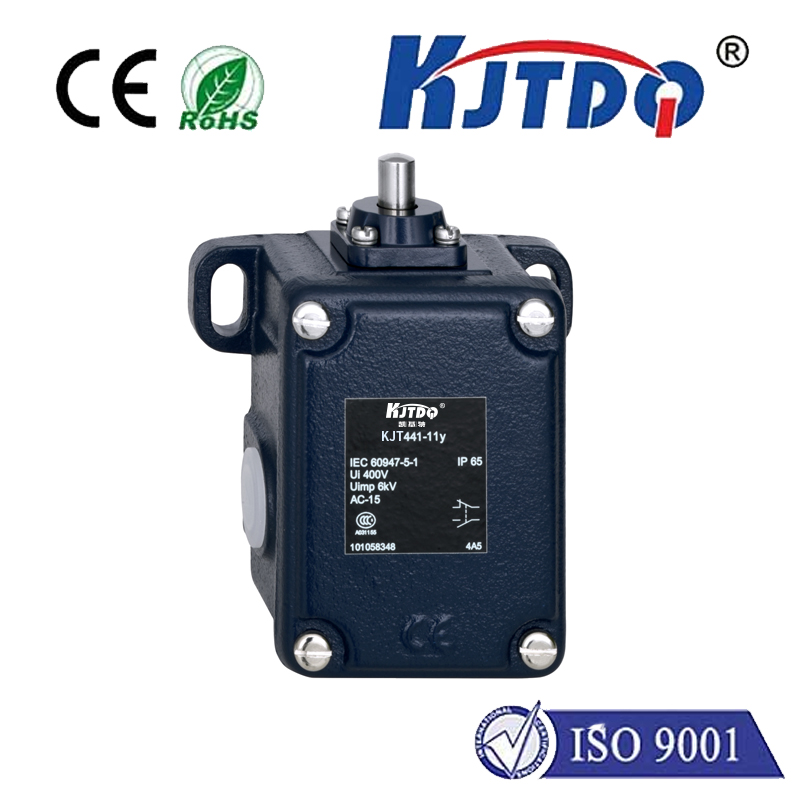
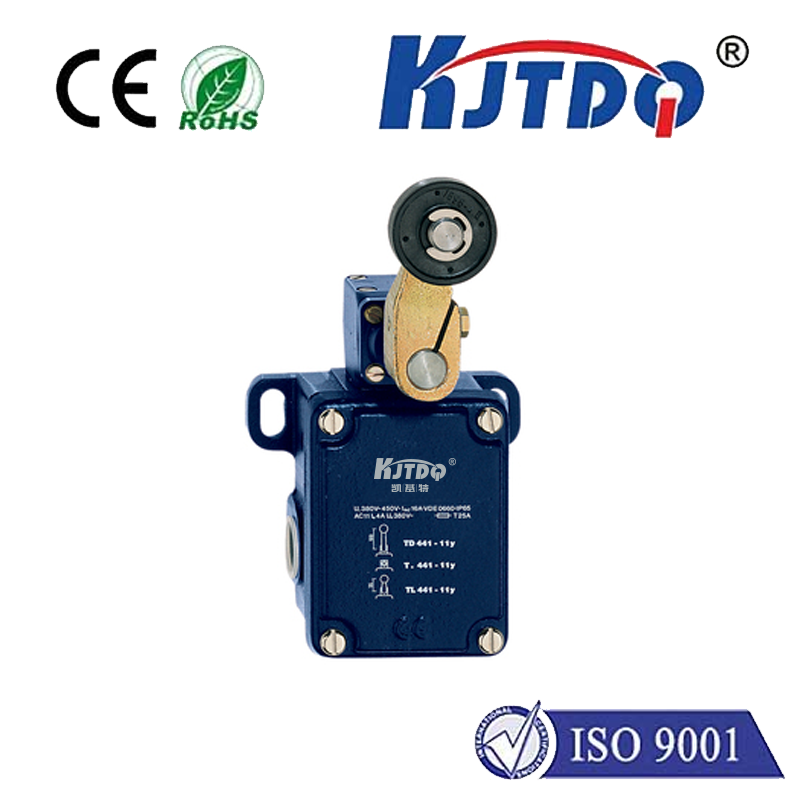
The primary role of a crane upper limit switch is to automatically halt the upward motion of the hook or lifting device before it reaches a dangerous point of collision with the crane's structure, such as the drum or the bridge. It is a final, fail-safe barrier. Modern limit switches are typically electromechanical or proximity sensors strategically mounted on the crane's hoist unit. As the hook block rises, an activator (like a cam or a magnet) attached to the moving part approaches the switch. Upon reaching the preset upper limit, the switch is triggered, breaking the electrical circuit controlling the hoist's upward movement. This immediate interruption prevents the cable from being overwound, which can lead to snapping, or the load from striking the crane boom.
The consequences of operating a crane without a functional upper limit switch, or with a bypassed one, are severe. Over-hoisting can cause the wire rope to jump off the drum or break entirely, resulting in a dropped load. This poses an extreme danger to personnel below and can cause extensive damage to the load, the crane itself, and surrounding infrastructure. Furthermore, such incidents lead to significant operational downtime, costly repairs, and potential regulatory fines. Regulatory bodies like OSHA (Occupational Safety and Health Administration) mandate the use and proper maintenance of these safety devices. Regular inspection and testing of the crane upper limit switch are not just best practices; they are legal requirements in most jurisdictions.
Beyond safety, a reliably functioning limit switch contributes directly to operational efficiency and equipment longevity. By preventing mechanical overload and structural stress, it reduces wear and tear on the hoist motor, gearbox, and wire ropes. This translates to lower maintenance costs, fewer unplanned stoppages, and extended service life for the entire crane system. Operators can work with greater confidence, knowing that a critical safety system is actively protecting them and the assets.
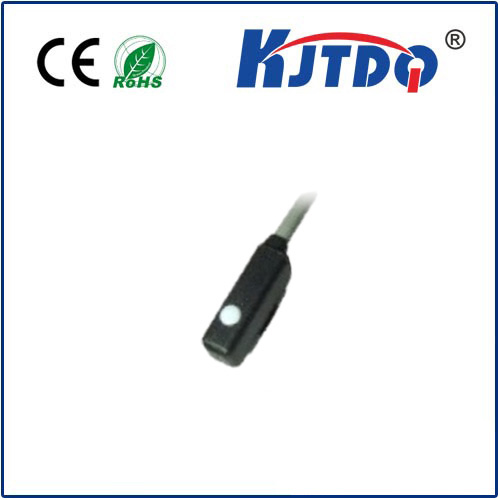
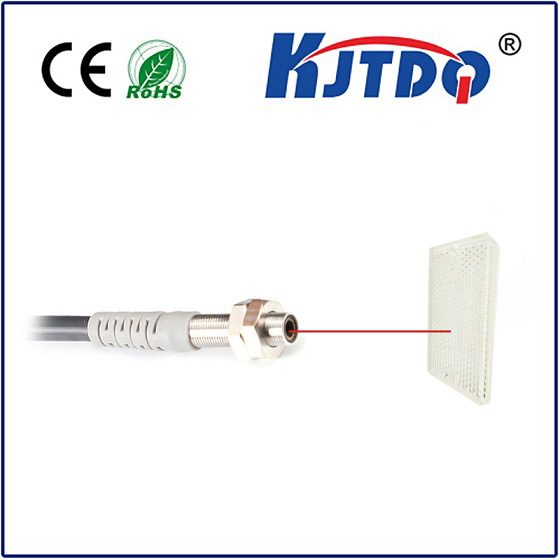
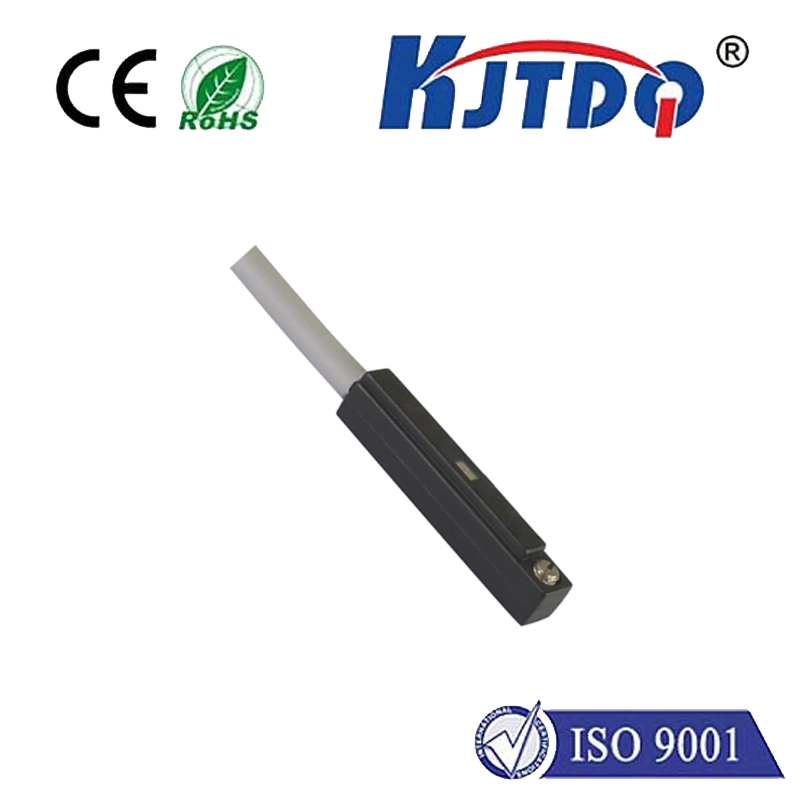
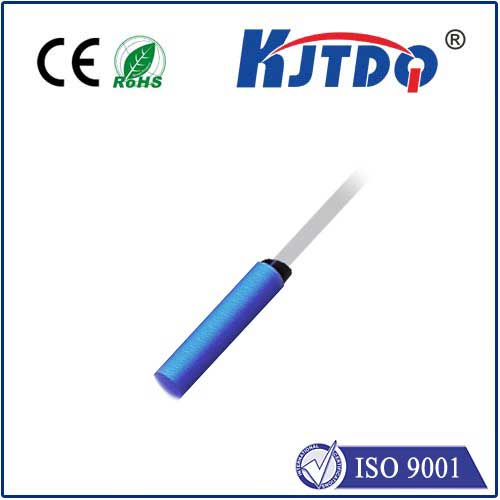
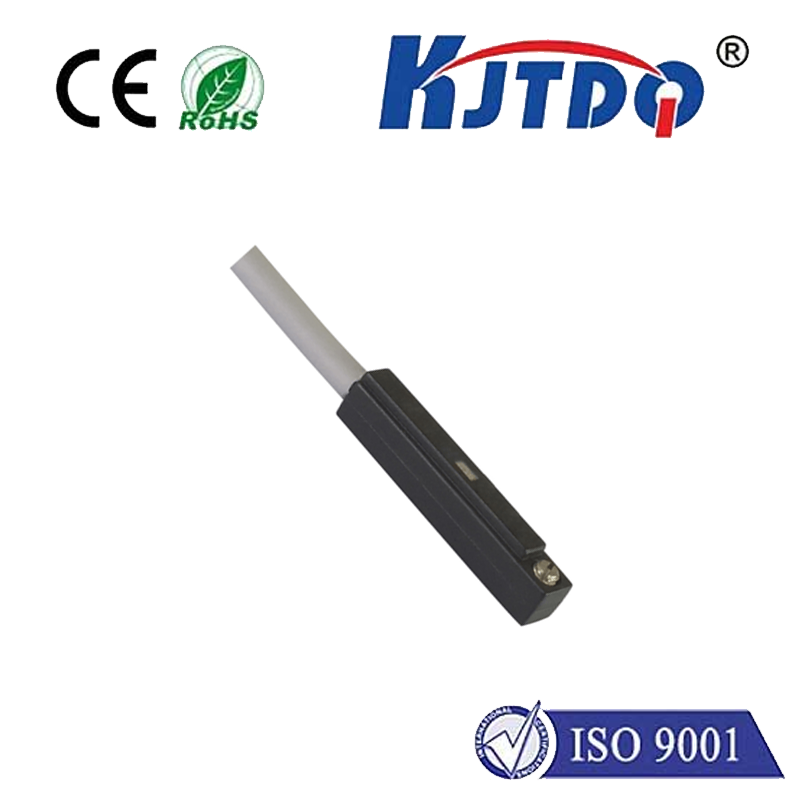
When selecting a crane upper limit switch, factors such as the crane's duty cycle, environmental conditions (exposure to dust, moisture, or extreme temperatures), and required precision must be considered. Electromechanical lever-arm switches are robust and cost-effective for many applications. For environments requiring higher precision and less physical contact, non-contact proximity switches (inductive or magnetic) offer excellent reliability with minimal maintenance. It is crucial to consult with qualified engineers or the crane manufacturer to specify the correct switch type and ensure proper installation and calibration.
Integration with the crane's control system is also evolving. Advanced systems now incorporate the limit switch signal into programmable logic controllers (PLCs), allowing for more sophisticated control sequences, diagnostic monitoring, and integration with alarm systems or centralized monitoring platforms. This digital layer provides maintenance teams with valuable data on switch operation cycles and can predict potential failures before they occur.
In conclusion, the crane upper limit switch is far more than a simple accessory; it is a fundamental pillar of safe and productive lifting operations. Its consistent and reliable performance safeguards human lives, protects valuable assets, and ensures smooth, continuous workflow. Prioritizing its selection, installation, and rigorous maintenance schedule is a direct investment in safety, compliance, and operational excellence. For facility managers, safety officers, and crane operators, a deep respect for this critical component is the first step towards a zero-incident workplace.