check

check

check

check

check

check
In the realm of industrial automation and control systems, precision and reliability are paramount. Among the myriad of components that ensure seamless operation, the limit switch stands as a fundamental yet critical device. The advent of 3D technology has revolutionized its design, functionality, and application, giving rise to the advanced "limit switch 3D" concept. This innovation is not merely an incremental improvement but a transformative step in sensing and control mechanisms.
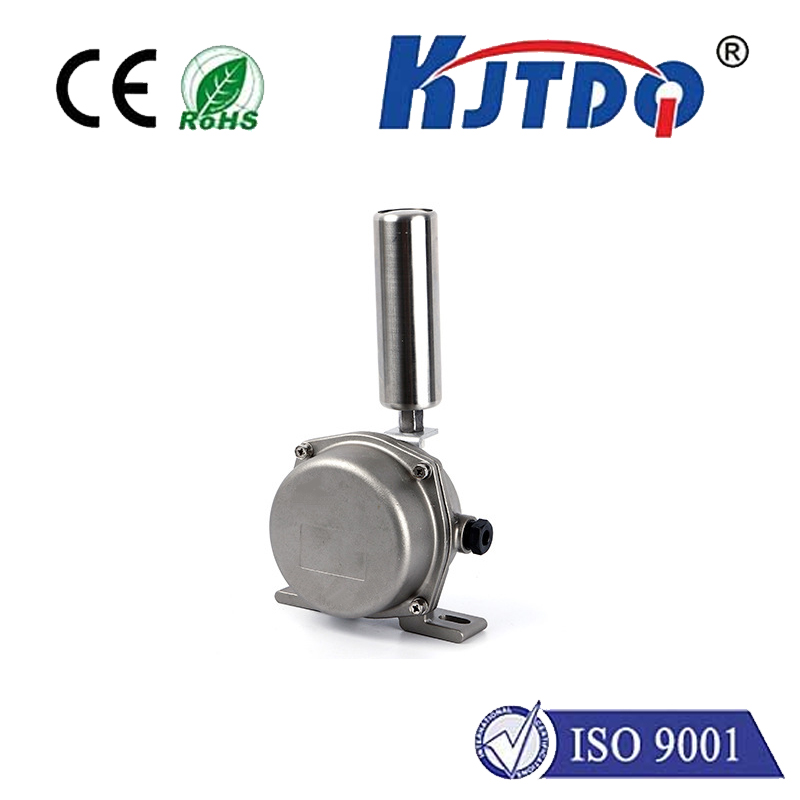
A traditional limit switch is an electromechanical device that consists of an actuator mechanically linked to a set of contacts. When an object, or "target," makes physical contact with the actuator, the device operates the contacts to make or break an electrical connection. This simple action is the cornerstone for tasks like detecting the presence or absence of an object, counting, and defining the limits of mechanical movement to prevent over-travel and potential damage to machinery.
The integration of 3D technology elevates this basic principle to new heights. A "limit switch 3D" typically refers to a device that incorporates three-dimensional sensing capabilities or is designed and validated using advanced 3D modeling and simulation tools. In practice, this can manifest in two primary ways.
Firstly, it involves the use of 3D sensing technologies, such as laser scanners or advanced proximity sensors, which can detect an object's presence, position, and even orientation in a three-dimensional space without the need for direct physical contact. This non-contact detection offers significant advantages, including reduced mechanical wear, higher operational speeds, and the ability to handle delicate or irregularly shaped objects. These sensors provide precise X, Y, and Z coordinate data, enabling more complex automation sequences and robotic guidance.
Secondly, the term "limit switch 3D" heavily relates to the product development lifecycle. Engineers now utilize sophisticated 3D Computer-Aided Design (CAD) software to design switch housings, actuators, and internal mechanisms with extreme precision. This allows for virtual prototyping, where the switch's performance, durability, and interaction with other machine components can be simulated under various environmental conditions—such as temperature extremes, vibration, and exposure to dust or moisture—long before a physical prototype is built. This digital twin approach drastically reduces development time, cost, and the risk of failure in the field.
The applications for these advanced limit switches are vast and growing. In automated manufacturing lines, 3D sensing limit switches ensure robotic arms accurately pick and place components from bins, a task known as "bin picking," which requires spatial awareness. In material handling and packaging, they verify the correct stacking and alignment of products on pallets. Within the automotive industry, they are crucial for safety systems, ensuring that robotic welders or assembly tools are in the correct position before operation, thereby protecting both equipment and personnel.
Furthermore, the integration of Industrial Internet of Things (IIoT) capabilities with 3D limit switches is a key trend. Modern devices can output rich digital data about their status and the detected objects. This data can be fed into centralized control systems for predictive maintenance, alerting operators to potential actuator wear or calibration drift before a failure occurs, thus minimizing unplanned downtime.
When selecting a limit switch for an application that demands high precision, engineers must consider several factors beyond basic functionality. The sensing range and field of view are critical for 3D non-contact types. The housing's ingress protection (IP) rating determines its resilience against dust and water. Mechanical longevity, expressed in millions of cycles, is vital for high-speed operations. The choice of output—be it a simple transistor, a relay, or a networked IO-Link connection—depends on the required integration level with the broader control architecture.
The evolution from simple mechanical levers to intelligent, 3D-aware devices underscores a broader shift in industrial automation towards smarter, more connected, and more flexible systems. The limit switch 3D represents a fusion of robust physical design and sophisticated digital intelligence. It is a testament to how foundational components are continuously re-engineered to meet the escalating demands of modern industry for efficiency, safety, and data-driven insights. As factories become more automated and agile, the role of such precise and reliable sensing technology will only become more central to operational success.