check

check

check

check

check

check
In the intricate world of industrial machinery, where powerful compressors drive countless processes, safety and operational control are paramount. Among the critical components ensuring this reliability is the compressor limit switch. This device, often overlooked, serves as a silent guardian, preventing equipment damage, ensuring personnel safety, and maintaining system efficiency. Understanding its function, types, and importance is crucial for any operation relying on compressed air or gas systems.
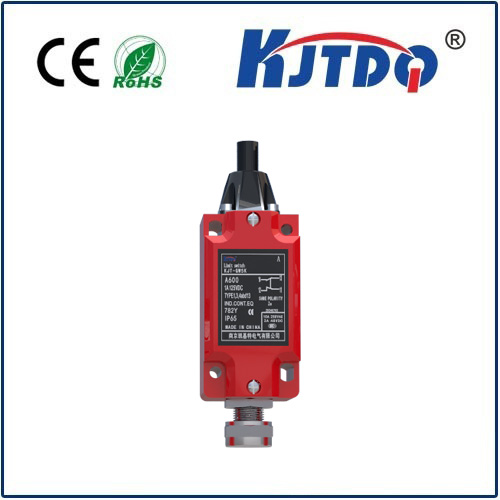
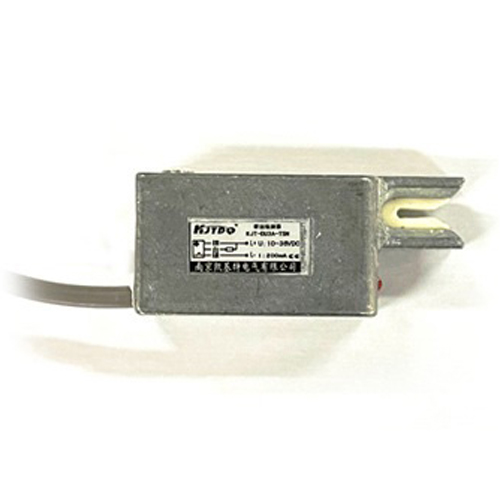
A compressor limit switch is a protective electromechanical device designed to monitor specific physical conditions—most commonly pressure or temperature—within a compressor system. Its primary role is to automatically halt compressor operation when preset safe limits are exceeded. Imagine a reciprocating or screw compressor building pressure in its receiver tank. Without a limit switch, the pressure could rise uncontrollably due to a malfunctioning control system, leading to catastrophic failure, explosive energy release, or severe damage to downstream equipment. The limit switch acts as the final, fail-safe barrier. It is typically set to trip at a pressure slightly higher than the compressor's normal operating cut-out pressure but well within the safe working limits of the pressure vessel.
The operational principle is straightforward yet robust. The switch is connected to the compressor's discharge line or the receiver tank. It contains a sensing element, such as a diaphragm or piston, that reacts to pressure changes. This element is mechanically linked to an electrical switch. When the sensed pressure reaches the predetermined "trip" point, the mechanical movement opens or closes the electrical contacts. This action interrupts the power supply to the compressor's motor starter or sends a signal to the central control system, commanding an immediate shutdown. Once the condition is rectified and the pressure drops to a safe reset level, the switch can often be manually reset to restore normal operation.
Several types of limit switches are employed based on the parameter being monitored. Pressure limit switches are the most prevalent, safeguarding against over-pressurization. Temperature limit switches are equally vital, especially in screw compressors, where they monitor discharge air temperature or oil temperature to prevent overheating, which can degrade lubricants and damage internal components. Some advanced switches combine both functions or include additional features like manual reset levers, weatherproof enclosures for harsh environments, and adjustable set points for flexible application across different compressor models.
The benefits of a properly functioning compressor limit switch are extensive. First and foremost, it is a critical safety device that protects human life by preventing pressure vessel ruptures. From an asset protection standpoint, it avoids costly repairs or replacement of the compressor, motors, valves, and connected tools. By preventing extreme operating conditions, it also contributes to consistent air quality and system longevity. Furthermore, it minimizes unplanned downtime, which is a significant cost driver in industrial settings. Regulatory bodies and insurance companies often mandate the use of such safety interlocks, making them a compliance necessity.
Regular inspection and testing of the compressor limit switch are non-negotiable maintenance tasks. Over time, the sensing mechanism can become fouled with oil or debris, or the electrical contacts may wear out, leading to failure. Maintenance schedules should include functional tests to verify the switch activates at the correct set point. It is also crucial to ensure the switch is correctly calibrated and that its set points are never arbitrarily increased to bypass shutdowns, as this completely negates its protective purpose.
In conclusion, the compressor limit switch is far more than a simple component; it is an indispensable element of industrial safety and operational integrity. Its role in preventing overpressure and overheating scenarios ensures that compressor systems run reliably, efficiently, and, most importantly, safely. For facility managers, engineers, and technicians, prioritizing the selection, installation, and maintenance of these switches is a fundamental aspect of responsible and productive plant operation.