check

check

check

check

check

check
Scissor lifts are indispensable equipment across various industries, from construction and warehousing to facility maintenance. Their ability to provide stable, elevated work platforms is crucial for productivity. However, the safe operation of these lifts is paramount, and a critical component ensuring this safety is often overlooked: the scissor lift limit switch. This device acts as a silent guardian, preventing potential accidents and equipment damage by controlling the lift's travel range.
A limit switch on a scissor lift is an electromechanical device designed to automatically stop or reverse the lift's movement at predetermined upper and lower limits. It functions as a crucial safety interlock within the lift's control system. When the lift platform reaches a set maximum height or a minimum lowering point, the switch is actuated—either through physical contact or magnetic proximity—sending a signal to the control unit to halt the drive mechanism. This simple yet effective action prevents over-extension, which could lead to structural stress or tipping, and avoids the platform from lowering into the base frame, which could cause crushing hazards or mechanical damage.
The importance of a reliable limit switch cannot be overstated. Primarily, it is a fundamental safety feature that protects operators and personnel working nearby. By preventing unintended or excessive travel, it mitigates the risk of collisions with overhead obstacles like ceilings, lights, or ductwork. It also ensures the lift does not descend onto tools, materials, or—in a worst-case scenario—a person standing below. Furthermore, these switches protect the scissor lift itself. Consistent over-travel can strain hydraulic cylinders, stress the scissor mechanism, and damage electrical wiring, leading to costly repairs and significant downtime. A functioning limit switch safeguards this investment by enforcing operational boundaries.
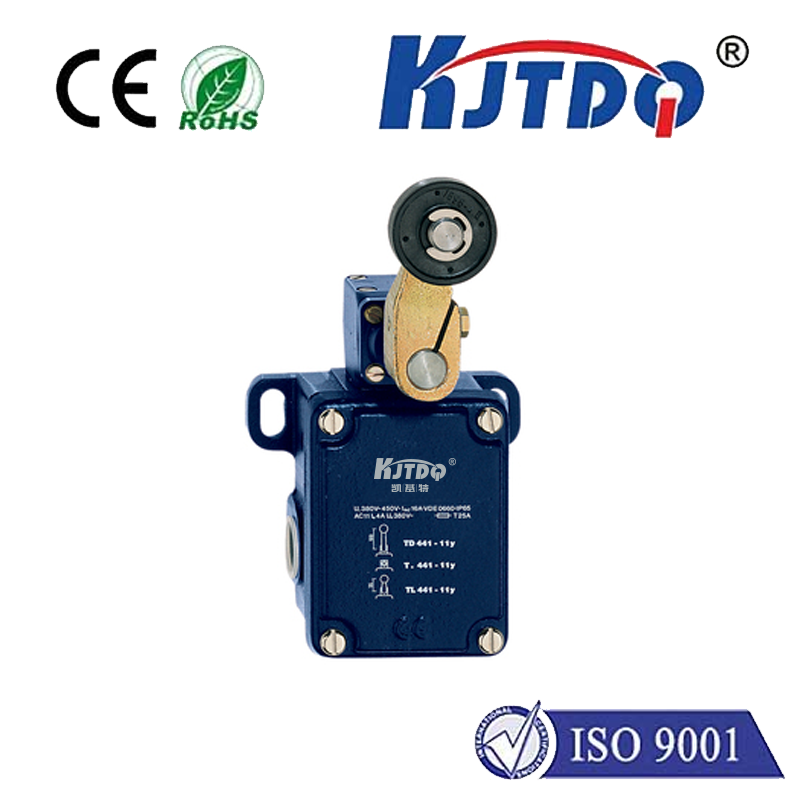
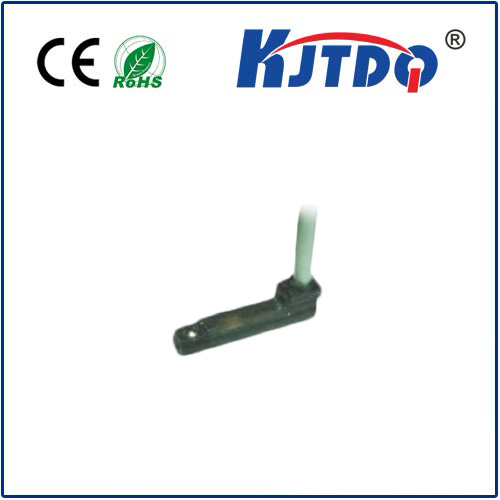
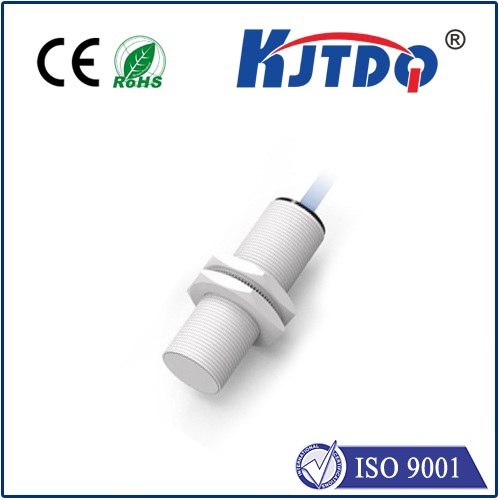
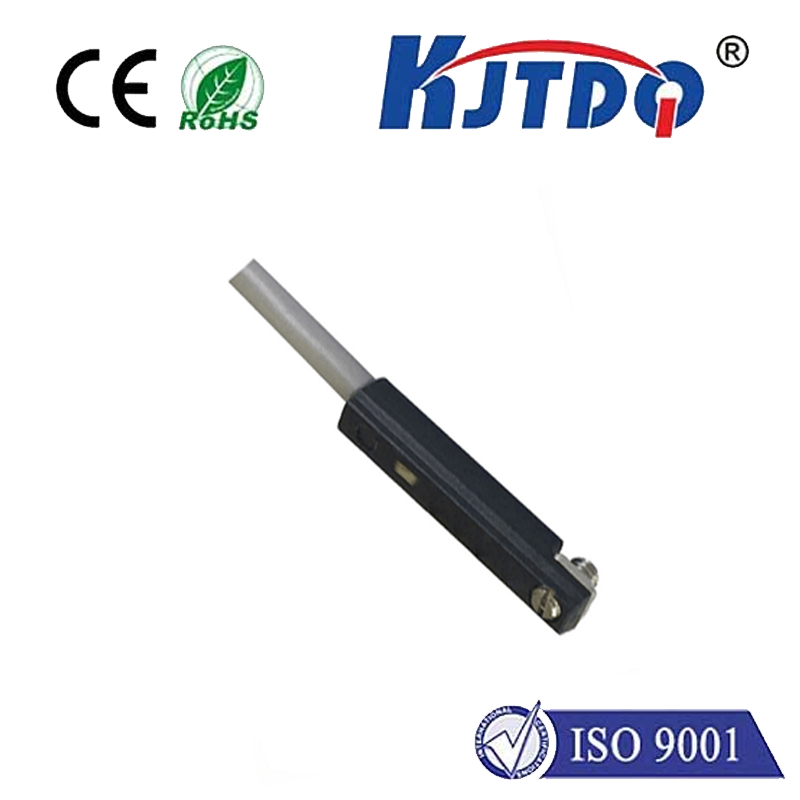
Several types of limit switches are employed in scissor lifts, each with its own advantages. Traditional mechanical lever-arm switches are common, where a physical arm makes contact with a stop to trigger the cutoff. More modern solutions include magnetic reed switches or proximity sensors, which offer non-contact actuation. These are often more durable as they have no moving parts that can wear out from repeated contact. Rotary cam limit switches are also used, especially for defining multiple control points within the lift's range of motion. The choice depends on the lift's design, required precision, and environmental conditions such as exposure to dust, moisture, or vibrations.
Regular inspection and maintenance of the scissor lift limit switch are essential components of any equipment safety protocol. Operators should perform visual checks for any obvious damage, corrosion, or loose connections. Functional tests should be conducted regularly by slowly running the lift to its limits to verify that the cutoff engages promptly and effectively. It is critical that these safety checks are never bypassed. If a switch fails to operate, the lift must be tagged out of service immediately until a qualified technician can repair or replace the component. Using a lift with a faulty limit switch is an extreme safety hazard.
In conclusion, the scissor lift limit switch is a small component with a massive responsibility. It is the cornerstone of operational safety, preventing accidents and protecting both personnel and equipment. For facility managers, construction supervisors, and rental companies, prioritizing the integrity of these switches through routine checks and prompt maintenance is not just a regulatory compliance issue—it is a fundamental commitment to a safe and productive work environment. Investing in high-quality limit switches and a robust safety culture ensures that the efficiency gained from using scissor lifts is never compromised by preventable operational risks.