check

check

check

check

check

check
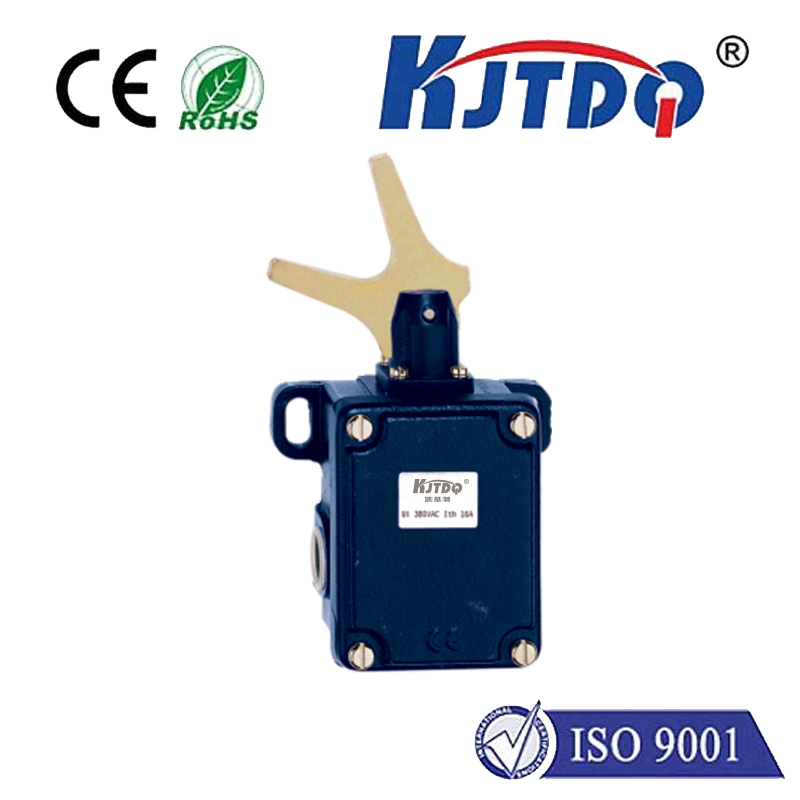
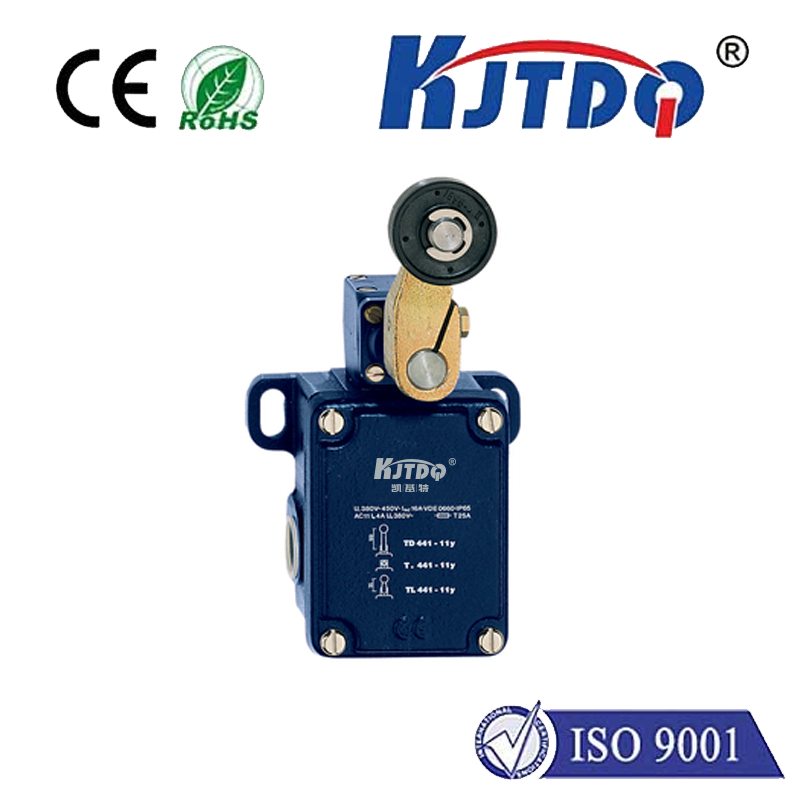
In the complex landscape of industrial automation, precision and reliability are non-negotiable. At the heart of countless motion control systems, from conveyor belts and robotic arms to overhead cranes and packaging machinery, lies a critical component: the universal limit switch. This electromechanical workhorse acts as a vigilant sentinel, defining the boundaries of mechanical movement to prevent over-travel, ensure accurate positioning, and protect both equipment and personnel. The fundamental principle is elegantly simple: a physical actuator, such as a lever, roller, or plunger, is triggered by the motion of a machine part. This action opens or closes an electrical circuit within the switch, sending a definitive signal to the control system to initiate a pre-programmed response—typically to stop, start, or reverse a motor.
The term "universal" is key to its widespread adoption. Unlike specialized sensors, a well-designed universal limit switch offers remarkable adaptability. Its housing is engineered to withstand harsh industrial environments, resisting dust, moisture, oil, and mechanical impacts. Internally, the switching mechanism, often a robust set of SPDT (Single Pole, Double Throw) contacts, provides the flexibility to be wired as either normally open or normally closed to suit the specific logic of the control circuit. Externally, the actuator style can frequently be adjusted or swapped—rotating levers can be repositioned, different roller types can be installed, and plunger orientations can be changed. This modularity allows a single switch model to fulfill a vast array of applications, simplifying inventory and maintenance for engineers and technicians.
The integration of a high-quality universal limit switch, such as those represented by the KJTDQ series, brings tangible operational benefits. Primarily, it is a cornerstone of machine safety. By definitively halting a mechanism at its intended limit, it prevents catastrophic collisions, reduces wear and tear on mechanical stops and drives, and mitigates the risk of product damage or production line jams. This proactive protection translates directly into reduced downtime and lower maintenance costs. Furthermore, these switches enable precise repeatability. In processes requiring consistent start and stop points, like in machining or assembly stations, the physical actuation of a limit switch provides a level of accuracy and reliability that is sometimes more robust than non-contact methods in certain dirty or electrically noisy environments.
Selecting the right universal limit switch requires careful consideration of several application-specific factors. The electrical rating, including voltage and current for both the load and control circuit, must match the system requirements. The mechanical durability, often rated in millions of operations, should align with the expected duty cycle. The actuator type must be chosen to engage reliably with the target machine part—a roller lever might be ideal for a cam, while a wobble stick actuator could be better for bidirectional detection. Environmental protection, denoted by IP (Ingress Protection) or NEMA ratings, is crucial for longevity in wet, dusty, or corrosive settings. Proper installation and alignment are equally critical; a misaligned switch will fail to actuate or may be damaged, compromising the entire safety function.
While modern automation has seen the rise of proximity sensors, encoders, and vision systems, the universal limit switch remains irreplaceable in countless scenarios. Its strengths are its simplicity, direct physical feedback, fail-safe operation in power-off conditions (depending on wiring), and high noise immunity. It provides a clear, unambiguous signal that is easily understood and diagnosed by maintenance staff. For OEMs and plant engineers looking to build resilient and safe machinery, specifying reliable components like the KJTDQ universal limit switches is a fundamental step. They represent a proven, cost-effective solution for establishing precise mechanical boundaries, ensuring that automated systems operate not just intelligently, but also safely and reliably day after day, forming an essential link in the chain of industrial productivity.