check

check

check

check

check

check
In the intricate world of electronic components, where reliability can make or break a system, the sealed micro switch stands as a paragon of resilience and precision. Far from being just another simple switch, this engineered marvel is designed to operate flawlessly in environments that would cripple standard switches. From the spray of an industrial washer to the dust-laden air of a construction site, sealed micro switches provide the dependable performance that modern technology demands.
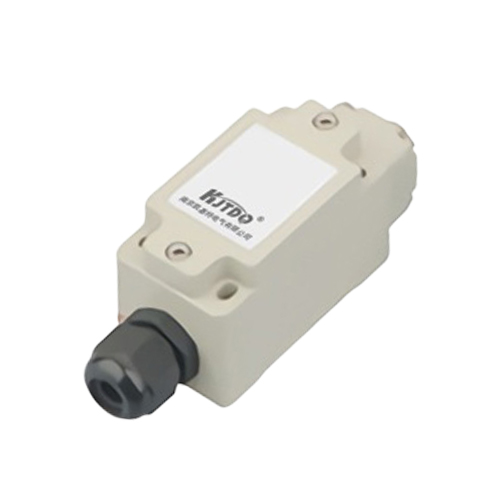
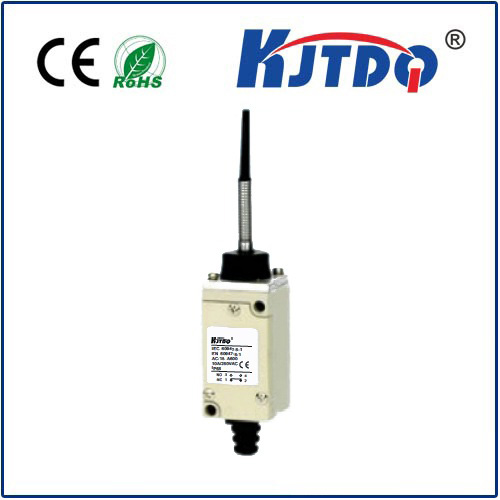
What exactly is a sealed micro switch? At its core, it is a compact, fast-acting switch with a snap-action mechanism, enclosed within a protective housing that shields its internal contacts from external contaminants. This sealing is typically achieved through rubber gaskets, epoxy resin, or laser welding, creating a barrier against liquids, dust, oils, and other particulates. The result is a component rated with Ingress Protection (IP) codes like IP67 or IP68, signifying its ability to withstand temporary immersion and complete protection from dust. This robust construction does not come at the expense of functionality. The defining characteristic of a micro switch—its crisp, audible actuation at a specific point with minimal physical travel—remains intact, offering precise control and consistent electrical performance.
The applications for sealed micro switches are vast and critical. In the automotive industry, they are found in door latch mechanisms, brake pedal sensors, and transmission systems, where exposure to water, grease, and temperature fluctuations is constant. Home appliances, such as washing machines, dishwashers, and refrigerators, rely on them for door interlock safety and water level detection. Industrial automation employs these switches in control panels, robotic arms, and heavy machinery, ensuring operations continue uninterrupted in harsh factory conditions. Even in medical devices and outdoor equipment, the sealed micro switch ensures safety and reliability where failure is not an option.
Choosing the right sealed micro switch involves several key considerations beyond just the IP rating. The electrical rating (current and voltage), actuator type (lever, roller, plunger), material of the housing (often stainless steel or high-grade thermoplastics), and operating temperature range must all align with the application's specific demands. For instance, a switch in a food processing plant may require a specific material certification, while one in a marine environment must resist saltwater corrosion.
The advantages of integrating sealed micro switches into a design are compelling. Primarily, they dramatically enhance product longevity and reduce maintenance costs by preventing switch failure due to environmental factors. This reliability translates to increased safety in critical systems and improved overall product quality. Furthermore, their standardized sizes and mounting options make them relatively easy to integrate into existing designs, offering a cost-effective solution for upgrading durability.
Looking ahead, the evolution of sealed micro switches continues. Innovations are focusing on miniaturization without sacrificing performance, integrating smart sensing capabilities for predictive maintenance, and utilizing more environmentally sustainable materials. As the Internet of Things (IoT) expands, connecting even the most rugged equipment, the demand for robust, sealed switching solutions that can provide reliable data in any condition will only grow.
In conclusion, the sealed micro switch is a testament to engineering ingenuity—a component that masterfully combines delicate precision with rugged durability. It is an unsung hero in countless devices and systems, operating silently and reliably behind the scenes. For designers and engineers, specifying a high-quality sealed micro switch is not merely a component choice; it is a strategic decision for ensuring product integrity, safety, and customer satisfaction in an increasingly demanding world.