check

check

check

check

check

check
When your home's heating system suddenly stops working on a cold winter night, the culprit is often a small but critical component: the limit switch. For owners of Intertherm and Nordyne furnaces, understanding the role, function, and troubleshooting of the furnace limit switch is key to maintaining a warm and safe home. This guide delves into everything you need to know about this vital safety device, helping you identify problems and know when to call a professional.
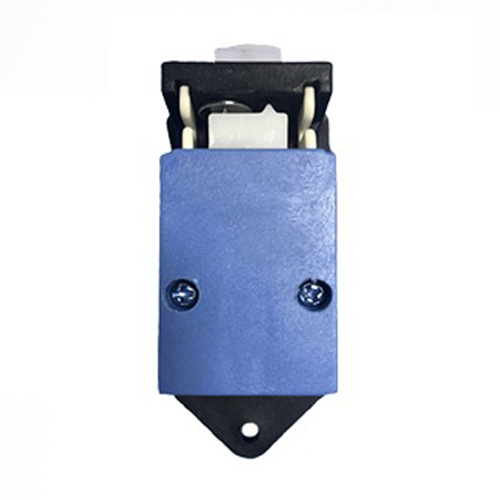
A furnace limit switch is a safety device designed to monitor the temperature inside the furnace's heat exchanger. Its primary function is to shut off the burner or heating element if the temperature rises to an unsafe level, preventing overheating. Simultaneously, it acts as a controller for the blower fan. When the furnace starts, the burner ignites first. Once the heat exchanger warms up to a specific temperature, the limit switch closes a circuit to turn on the blower fan, circulating warm air through your ducts. After the thermostat is satisfied and the burner shuts off, the limit switch keeps the fan running until the heat exchanger cools down, efficiently extracting all residual heat.
The Intertherm furnace limit switch is specifically engineered for compatibility with Intertherm and Nordyne furnace models. It's a crucial part that ensures these systems operate within safe thermal parameters. Common symptoms of a faulty limit switch include the furnace not producing heat, the blower fan not turning on or running continuously without stopping, or the furnace short-cycling (turning on and off rapidly). Before assuming the switch is bad, check for simple issues like a dirty air filter, which is the most frequent cause of limit switch trips. A clogged filter restricts airflow, causing the heat exchanger to overheat and trigger the switch. Ensure all supply and return air vents are open and unblocked.
Testing an Intertherm limit switch requires caution and basic technical knowledge. Always turn off the electrical power to the furnace at the circuit breaker before any inspection. Locate the switch, which is typically found mounted on or near the furnace plenum (the metal chamber surrounding the heat exchanger). It's a small, rectangular component with a metal probe. Using a multimeter set to measure resistance (ohms), you can check for continuity. At room temperature, a functioning limit switch should show continuity (a low resistance reading or a beep). To test its high-limit function, you often need to carefully heat the probe with a hairdryer; it should open the circuit (show no continuity) when hot. If it fails these tests, replacement is necessary.
Replacing an Intertherm furnace limit switch is a precise task. It is imperative to purchase the exact OEM (Original Equipment Manufacturer) part or a certified compatible replacement. The part number is usually printed on the switch itself. Using an incorrect switch can lead to improper operation or safety hazards. The installation involves disconnecting the wires (noting their positions), removing the old switch, and installing the new one in the same orientation. After securing it and reconnecting the wires, restore power and test the furnace. Given the risks associated with gas and electrical components, if you are not completely confident, hiring a licensed HVAC technician is strongly recommended. A professional can ensure correct diagnosis, safe installation, and check for underlying issues like a cracked heat exchanger or faulty blower motor that might have caused the switch to fail.
Regular maintenance is the best way to prevent limit switch problems. Replace your furnace air filter every 1-3 months, depending on type and household conditions. Schedule annual professional furnace inspections and cleanings. A technician will clean the heat exchanger, check the switch's calibration, and ensure all components are functioning correctly. This proactive approach not only prevents unexpected breakdowns but also improves efficiency, extends your furnace's lifespan, and safeguards your home.
In summary, the Intertherm furnace limit switch is a silent guardian of your heating system's safety and efficiency. Recognizing its symptoms, understanding its function, and committing to regular filter changes and maintenance can save you from discomfort and costly repairs. For most homeowners, when issues arise, partnering with a qualified HVAC professional ensures your Intertherm furnace operates reliably and safely for years to come.