check

check

check

check

check

check
In the intricate world of building management, the seamless operation of Heating, Ventilation, and Air Conditioning (HVAC) systems is paramount for occupant comfort, energy conservation, and equipment longevity. At the heart of many critical safety and control functions within these systems lies a seemingly simple yet indispensable component: the Air Handling Unit (AHU) limit switch. This device acts as a vigilant guardian, monitoring specific conditions—most commonly temperature or pressure—and triggering actions to prevent damage, optimize performance, and ensure safe operation.
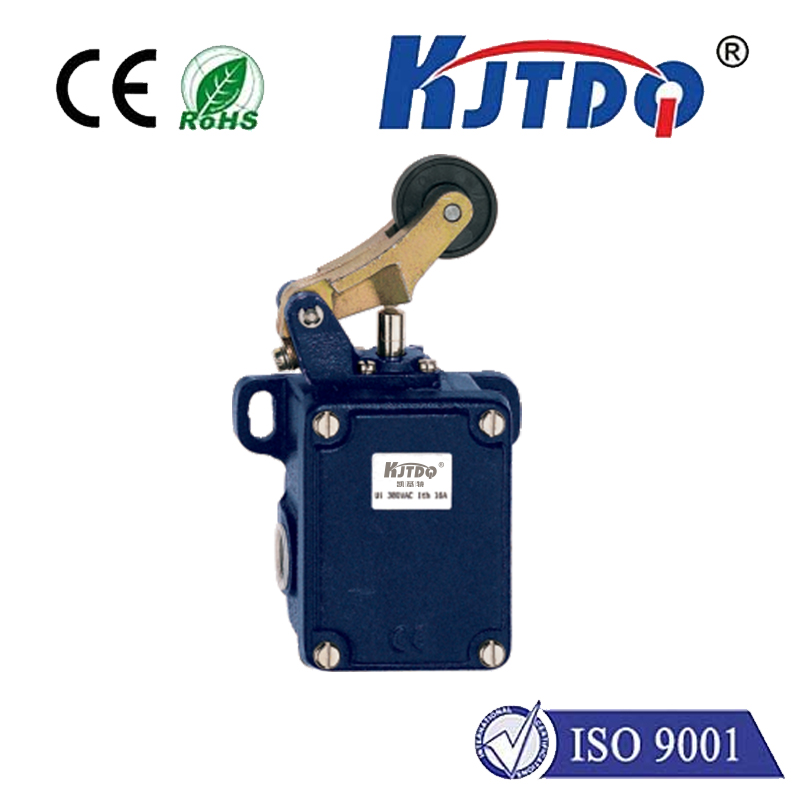
An AHU limit switch is fundamentally a sensor with an integrated switching mechanism. It is strategically installed at key points within an air handling unit, such as in the supply or return air ducts, near heating coils, or within filter banks. Its primary role is to detect when a predefined limit, or setpoint, is exceeded. For instance, a high-limit temperature switch mounted near a heating coil continuously monitors the air temperature. Should a malfunction—like a stuck control valve or pump failure—cause the air temperature to rise to a potentially dangerous level, the switch activates. This action typically interrupts the electrical circuit controlling the heat source, shutting it down to prevent overheating that could damage the coil, insulation, or even pose a fire risk.
Similarly, differential pressure switches are employed as limit devices for filter monitoring. They measure the pressure drop across an air filter. As the filter loads with particulate matter over time, the resistance to airflow increases, raising the pressure differential. When this differential reaches a preset high limit, the switch can activate an alarm on the building management system (BMS), signaling maintenance personnel that the filter requires replacement. This prevents excessive strain on the AHU's fan motor, maintains designed airflow rates, and ensures good indoor air quality.
The integration of a reliable AHU limit switch into an HVAC control strategy offers multifaceted benefits. First and foremost, it provides a critical layer of equipment protection. By automatically disabling equipment in fault conditions, it prevents catastrophic failures that lead to costly repairs and extended downtime. This proactive protection directly translates into reduced maintenance costs and a longer operational life for major HVAC assets like fans, coils, and compressors.
Secondly, these switches contribute significantly to energy efficiency. A faulty system operating outside its design parameters often consumes excess energy. For example, an overheating coil indicates wasted fuel or electricity. The limit switch halts this wasteful operation, prompting a repair. Furthermore, by ensuring filters are changed only when needed (as indicated by a pressure limit switch), energy isn't wasted by the fan overcoming the resistance of a clogged filter, nor is it wasted by replacing filters prematurely.
From a safety and compliance perspective, AHU limit switches are non-negotiable. They are essential for meeting various building codes and insurance requirements that mandate safety cut-offs for heating equipment. They help prevent scenarios that could lead to unsafe indoor conditions or equipment hazards, thereby safeguarding both property and occupants.
When selecting an AHU limit switch, several factors demand consideration. The setpoint range and tolerance must match the specific application, whether for high-temperature cut-off or filter pressure monitoring. The switch's durability and environmental rating are crucial, as it must perform accurately in the presence of vibration, dust, and varying temperatures within the AHU. The electrical rating of the contacts must be compatible with the control circuit it will interrupt. Additionally, features like manual reset capabilities—requiring a physical reset after tripping—are vital for safety, ensuring the fault condition is investigated before the system is restarted.
Modern advancements have introduced electronic and programmable limit switches that offer greater precision, digital communication capabilities with BMS, and adjustable setpoints. However, the core principle remains unchanged: to provide a fail-safe, reliable means of monitoring and responding to critical limit conditions.
Routine testing and maintenance of these switches are as important as their installation. Periodic verification that the switch activates at the correct setpoint ensures it will function when a real fault occurs. This is a simple yet critical part of a preventive maintenance program, often overlooked until a failure occurs.
In conclusion, the AHU limit switch is far more than a simple on/off device. It is a fundamental pillar of intelligent HVAC system management, blending safety, efficiency, and protection into a single component. By reliably enforcing operational boundaries, it ensures that air handling units perform their vital role effectively and sustainably, making it a key detail {KJTDQ} for engineers, facility managers, and building owners aiming for optimal system performance and reliability.